
Best Fishing Spots in Delaware
Last verified:
By BCRods
Quick facts
- License
- One Delaware license covers fresh and tidal water
- Waters covered
- Trout streams, ponds, tidal rivers, Delaware Bay, Inland Bays, Atlantic surf, artificial reefs
- Trout dates
- 2027 dates not yet announced
- Rules authority
- DNREC Division of Fish and Wildlife
Delaware is a small state with a surprising range of fishing. In a single day you can wade a stocked trout stream in the north, cast from a pier on Delaware Bay, work the rocks at an inlet or stand in the surf on the Atlantic. This guide is the starting point for all of it. It shows where to begin, which guides cover which waters, what the main rules are and which kind of rod suits each kind of water.
Every guide on BCRods shows the date we last checked its rules and links to the agency source. Where we could not confirm a rule, the guide says so and sends you to DNREC instead of guessing. You can read more in how we research these guides.
Delaware fishing at a glance
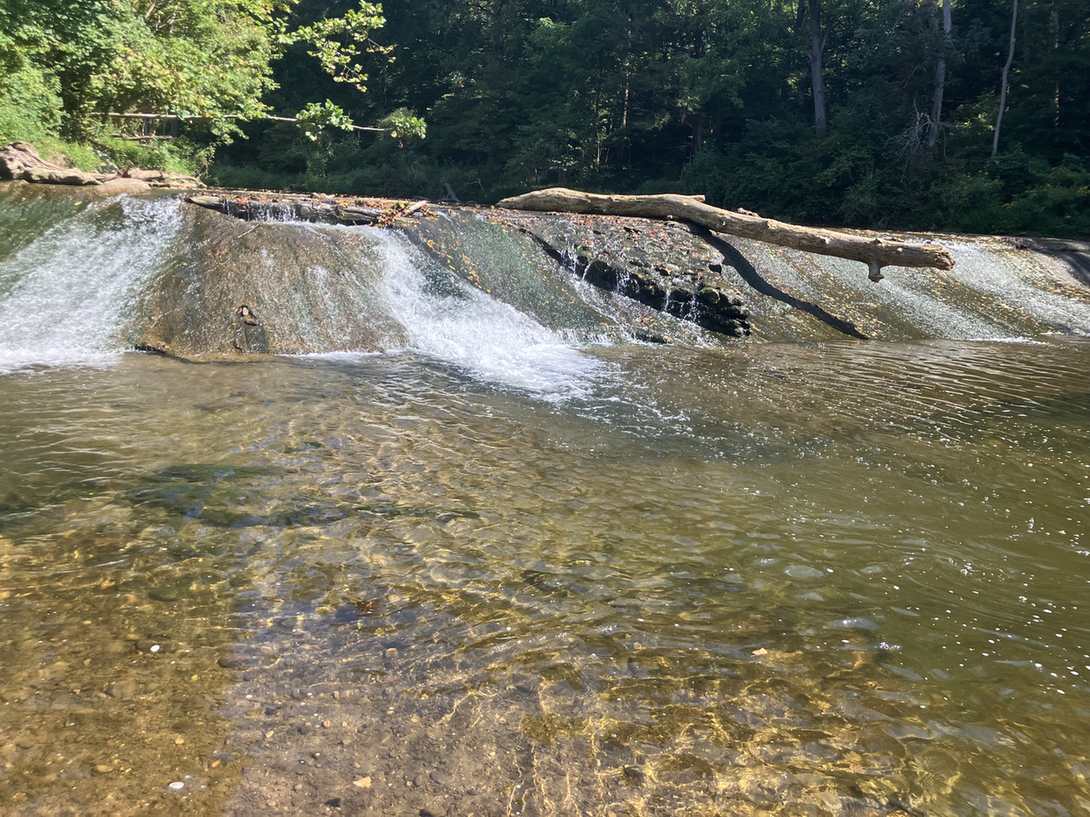
Streams and ponds. The state’s stocked trout streams are in the north, in New Castle County, and DNREC stocks two trout ponds farther south. Elsewhere, freshwater anglers fish ponds and impoundments for bass, panfish and catfish. Our trout fishing guide and ponds and lakes guide compare those waters.
Tidal rivers. Rivers such as the Nanticoke and the Broadkill mix fresh and salt water and hold different fish from the ponds. Rules on tidal water differ from the rules on non-tidal water, so the guide for each water matters.
Delaware Bay and River. The Delaware River and C&D Canal shore, the bay shore beaches and piers and open-water fishing by boat make up the northern and eastern edge of the state’s saltwater fishing.
Inlets, bays and the Atlantic. Cape Henlopen, the Lewes-Rehoboth Canal and Roosevelt Inlet, Indian River Inlet, the Inland Bays and the ocean surf cover the coast. Offshore, the state’s artificial reefs are a boat angler’s target.
Where to start
If you are new to fishing, or fishing with children, start somewhere with easy access and forgiving fish. Our kid-friendly and accessible fishing guide collects the options and the rules that apply at each. The fishing piers guide is another good first stop, because a pier gives you a place to stand, and the stocked trout of Wilson Run and the Tidbury and Newton ponds are an agreeable first fish in spring.
If you fish near the Sussex County coast, the guide to fishing near Lewes, Rehoboth and Millsboro is organized by where you are rather than by water.
If you are experienced, the challenge is picking the water that matches your skills and gear. The fly-only reaches of White Clay Creek and Red Clay Creek reward careful presentations. Indian River Inlet and the surf reward heavier tackle and attention to tide and current.
Fishing through the year
Delaware’s calendar is shaped by trout stamps, tidal seasons and size changes. These are the dates we have confirmed, and the rules summary on each guide gives the sources.
- Spring trout. A trout stamp is required on designated trout streams from the first Saturday in April through June 30. A second window runs from the first Saturday in October through November 30. The 2027 dates have not been announced yet.
- Striped bass. The Delaware Fishing Guide lists striped bass as catch and release only on the spawning grounds from April 1 to May 31.
- Black sea bass. The season is May 1 to December 31.
- Summer flounder. The fishery is open all year, and the minimum size rises on June 1.
We plan to add a month-by-month guide once we can base every entry on agency reports. Until then, DNREC’s own fishing report is the best place to see what is biting this week.
The rules in brief
You need a Delaware fishing license if you are 16 or older, unless you are exempt, and one license covers both fresh and tidal water. Anglers 16 and older also need a free FIN number. The current fees are below, and the Delaware fishing rules and license guide covers exemptions, gear rules, size and bag limits, invasive fish and the fish consumption advisories.
Rules snapshot
Delaware fishing license fees
Resident (ages 16 to 64): $8.50 a year. Non-resident (age 16 and over): $20.00 a year, or $12.50 for seven consecutive days. One license covers both fresh and tidal waters and is good for the calendar year. · DNREC license fees, checked November 1, 2026
Trout stamp fees
Resident ages 16 to 64: $4.20. Resident young angler (ages 12 to 15): $2.10. Non-resident (age 12 and over): $6.20. Delaware residents 65 and older are exempt from the trout stamp. · DNREC license fees, checked November 1, 2026
This is not legal advice. Rules change, so confirm with the state agency before you fish.
Matching a rod to the water
Different Delaware waters ask different things of a rod, and a rod that fits the water is easier to fish all day.
- Small trout streams and ponds suit a light spinning outfit around 6 to 7 feet, or a 4 to 5 weight fly rod in the fly-only reaches.
- Ponds for bass and panfish suit light spinning or a medium to medium-heavy casting rod, depending on the lures you throw.
- Catfish on the tidal rivers and bigger ponds call for a heavier rod with enough backbone to handle a strong fish.
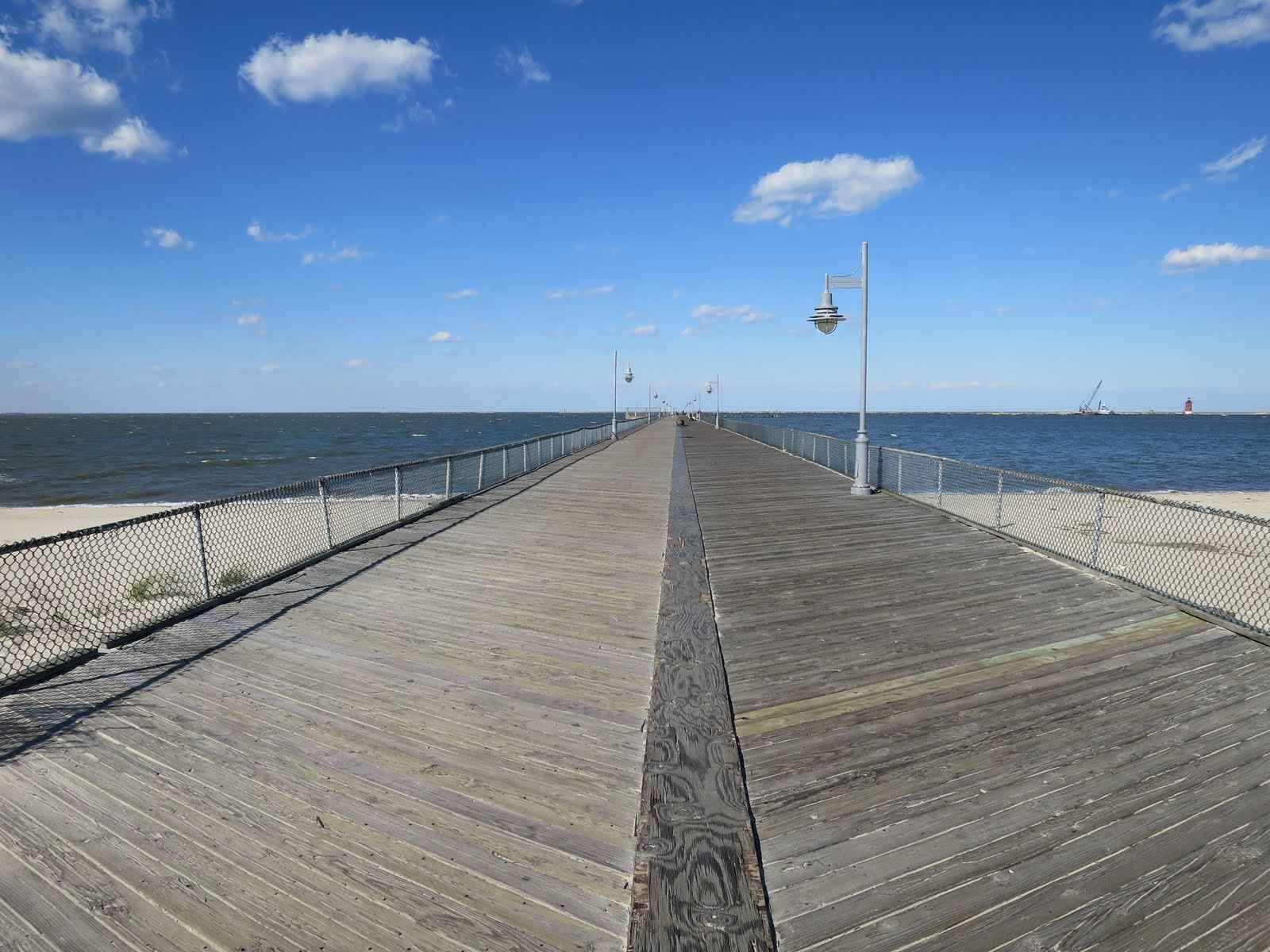
- Piers and bay shores suit a longer spinning rod, typically in the 7 to 9 foot range, that casts a bait or lure well clear of the structure.
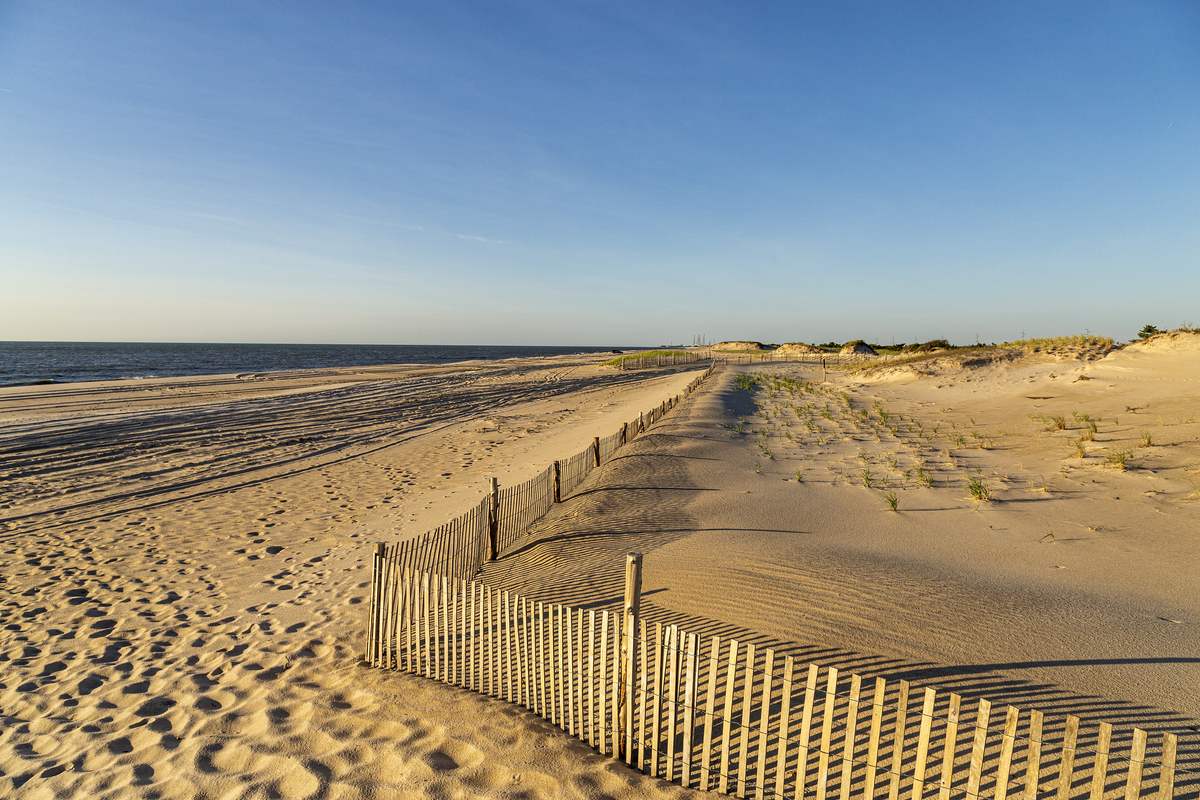
- Surf fishing is the realm of long rods, typically 10 to 12 feet, that clear the breakers.
- Boat fishing on the bay and over the reefs calls for conventional rods matched to the weight you need to hold bottom.
These are common starting points rather than rules, and the guide for each water says more. BCRods builds custom rods to match the water, species and method, so if you tell us where you fish and what you target, we can build the rod around it.
What to bring and how to read these guides
A few habits make any Delaware trip smoother. Carry your license, your FIN number and, in trout season, your trout stamp. Check the forecast and, on tidal water, the tide before you leave, because the same spot can fish very differently at high and low water. Bring a way to release fish gently, such as pliers and a wet cloth or a rubber net, and a cooler if you plan to keep fish. Before you keep anything, look up the water in the consumption advisory table in the rules guide, because some waters carry strict limits on how often the fish should be eaten.
Each guide follows the same layout so you can find what you need quickly. A quick facts box at the top gives the essentials. A rules summary lists the limits and seasons that apply to that water, with the source and the date we checked each one. A badge marks waters that are catch and release only, so you do not mistake them for waters where you can keep fish. Below that, the guide covers where to fish, what you can catch, what tackle suits the water and what to watch for. Guides for waters we have not finished yet appear as plain names on this page and become links as they go live.
Safety
Cold water and wind are the common hazards. Hypothermia can set in on the water and on jetties and beaches in fall, even on days that feel mild, and DNREC has warned about it. Wear a life jacket on a boat, dress for the water temperature rather than the air, and check the marine forecast before you go. On rocks and jetties, wear footwear with grip, watch the tide and never turn your back on the waves.
Rules, sources and corrections
Fishing rules change. Each guide shows the date we last verified its rules, and those dates are the first thing to look at before you rely on a number. Always confirm with DNREC before you keep fish. If you find something that looks out of date, the research page explains how to send a correction.
Trout waters
Fishing Brandywine Creek State Park and Wilson Run
Smallmouth, panfish and stocked trout at Brandywine Creek State Park and Wilson Run.
Red Clay Creek Fly-Only Water at Auburn Valley
Delaware's second fly-only trout reach at Auburn Valley State Park: boundaries and rules.
Tidbury and Newton Pond Trout Fishing
Stocked trout ponds in Kent and Sussex counties: season, stamps and access.
White Clay Creek Trout Fishing in Delaware
Stocked trout, fly-only water, stamps and season rules on White Clay Creek in Delaware.
State park ponds
Fishing Lums Pond in Delaware
Delaware's largest public fishing pond: bass, panfish, catfish and DNREC survey data.
Fishing Millsboro Pond, Hearns Pond and Haven Lake
Accessible fishing piers and panfish at three Sussex County ponds.
Wagamons Pond Fishing in Milton
Delaware's record-bass pond: ramp, access and survey data.
Tidal rivers
Bay shore
Inlets and surf
Fishing the Delaware Inland Bays
Piers, flounder and tog in Rehoboth, Indian River and Little Assawoman bays.
Delaware Surf Fishing: Permits, Beaches and Gear
Permits, reservations, baits and rods for Delaware's ocean beaches.
Fishing Indian River Inlet: Jetties, Currents and Seasons
Currents, jetties, blues, tog and stripers at Delaware's busiest inlet.
Lewes–Rehoboth Canal and Roosevelt Inlet Fishing
Flounder and sea bass from the canal, inlet and jetties near Lewes.
Boat fishing
Wildlife refuges
Fishing Pasture Point Pond at Bombay Hook
Catch-and-release bass, bluegill, catfish and crappie at Bombay Hook NWR. Barbless hooks, artificial bait only, lead-free tackle.
Fishing Prime Hook National Wildlife Refuge
Where to fish Prime Hook's ponds and marsh creeks: access points, species, closures and boat rules.
Guides by interest
Delaware Fishing Ponds: Bass, Panfish and Catfish
Delaware's best public ponds for bass, bluegill, crappie and catfish, with size limits and DNREC survey highlights.
Where to Fish Near Lewes, Rehoboth and Millsboro
A local guide to piers, canals, ponds and inlets within a short drive of Lewes, Rehoboth Beach and Millsboro.
Fishing Piers in Delaware
Cape Henlopen, Woodland Beach, Seaford and Inland Bays piers, with access, what bites and the right rod for pier fishing.
Kid-Friendly and Accessible Fishing in Delaware
Easy ponds, accessible piers and catch-and-release spots in Delaware, with the rules that apply at each.
Delaware Trout Fishing: Streams, Ponds and Stamps
Where and when to fish stocked trout in Delaware: streams, ponds, fly-only reaches, the trout stamp and bag limits.
Fish species in this state
Black Drum Fishing in Delaware
Delaware Bay's May–June black drum run: the 16-inch, 3-fish limit, night fishing and heavy tackle.
Black Sea Bass Fishing in Delaware
Delaware sea bass rules (12.5 in, 15/day, May 1–Dec 31) and the reef, inlet and wreck spots that hold them.
Blue Catfish Fishing in Delaware
Where Delaware's record blue catfish live: the Nanticoke and Delaware River, baits, rigs and the live-possession ban.
Bluefish Fishing in Delaware
Delaware bluefish limits (5/day shore, 7/day charter) and the inlets, piers and beaches where blues run.
Largemouth Bass Fishing in Delaware
Delaware bass rules (12 in, 6/day; Becks Pond 15 in, 2/day), top ponds and tidal rivers, and what DNREC surveys show.
Red Drum Fishing in Delaware
Delaware red drum slot (20–27 in, 5/day) and surf spots where reds show up.
Striped Bass Fishing in Delaware
Where, when and how to catch striped bass in Delaware: bay, river, inlet and surf, with the seasonal closures and slot limits.
Summer Flounder (Fluke) Fishing in Delaware
Flounder seasons, 17.5-inch size limit and where to drift or cast in Delaware.
Tautog (Blackfish) Fishing in Delaware
Delaware tog seasons and the 16-inch limit, plus the jetties, wrecks and reefs where they live.
Frequently asked questions
Do I need separate licenses for fresh and salt water in Delaware? +
No. A Delaware fishing license covers recreational fishing in all Delaware waters, fresh and tidal.
Do children need a fishing license? +
Anyone under 16 is exempt from the fishing license and the FIN requirement.
Where can I find the official rules? +
The Delaware Fishing Guide, linked from DNREC's fishing page, is the official source. Our rules and license guide summarizes the main points with sources and dates.
Sources
- DNREC license fees (accessed November 1, 2026)
- DNREC licensing and regulations (accessed November 1, 2026)
- Delaware Fishing Guide: tidal seasons, size and creel limits (accessed November 1, 2026)
- DNREC freshwater trout fishing (accessed November 1, 2026)