
Fishing Millsboro Pond, Hearns Pond and Haven Lake
Last verified:
By BCRods
Quick facts
- Ponds
- Millsboro (about 101 acres), Haven Lake (about 82.5), Hearns (about 53.4)
- DNREC surveys
- Millsboro and Haven Lake 2011 and 2016; Hearns 2008 and 2013
- Access
- Boat ramp with ADA courtesy dock and shoreline access at each; no fishing pier listed; limited parking recorded at Millsboro
- Rod fit
- Light spinning for panfish
Rules snapshot
Largemouth bass (non-tidal)
Minimum size 12 inches, 6 a day. In Becks Pond the minimum is 15 inches and the limit is 2 a day. · Delaware Fishing Guide, non-tidal limits (updated Feb. 6, 2026), checked November 1, 2026
Panfish (freshwater)
White perch, yellow perch, crappie, bluegill and pumpkinseed: no size limit. 50 a day, with no more than 25 of one species. · Delaware Fishing Guide, non-tidal limits (updated Feb. 6, 2026), checked November 1, 2026
Boating on public ponds
Boats must be operated at no-wake speed on all of Delaware's freshwater public ponds. · DNREC fishing ponds, checked November 1, 2026
Pond access and shoreline rules
Boat ramps and state-owned shoreline are open to the public year round, and anglers fishing lawfully may reach the ponds 24 hours a day. Swimming is illegal in the ponds and lakes. Traps, pots, gill nets and similar devices may not be used. Boat ramp fees or permits may apply. · DNREC pond shoreline rules, checked November 1, 2026
Freshwater (non-tidal) gear rules
No more than two rods or poles per person, except five tip-ups through the ice. No more than three hooks or lures per rod. Snagging gamefish is prohibited. Nets are prohibited except a dip net used to land a hooked fish. Stocking live fish in public waters needs written authorization from the Division of Fish and Wildlife. Gamefish cannot be sold, traded or bartered unless authorized by permit. No fishing within 10 feet of a fish ladder entrance or exit from March 15 to May 30. · DNREC gamefish and freshwater restrictions, checked November 1, 2026
Delaware fishing license fees
Resident (ages 16 to 64): $8.50 a year. Non-resident (age 16 and over): $20.00 a year, or $12.50 for seven consecutive days. One license covers both fresh and tidal waters and is good for the calendar year. · DNREC license fees, checked November 1, 2026
Who does not need a fishing license
Delaware residents 65 and older (with proof of age and residency) and anyone under 16 are exempt from the license. Anglers 16 and older need a free FIN number, and exempt anglers may need to apply for one separately. · DNREC exemptions, checked November 1, 2026
Fish consumption advisory: public ponds
Lums, Killens, Trap, Millsboro, Hearns, Haven Lake and Wagamons ponds are not named in DNREC's advisory table, so the default applies: 52 meals a year (8-ounce adult serving) for all finfish. Moores Lake, which is listed, is 12. · DNREC fish consumption advisories, checked November 1, 2026
Public access at the ponds in these guides
Lums Pond: boat ramp, fishing pier and shoreline access. Killens Pond: unimproved ramp, shoreline access. Trap Pond: boat ramp, shoreline access. Millsboro Pond, Hearns Pond, Haven Lake and Wagamons Pond: boat ramp with an ADA courtesy dock and shoreline access; no fishing pier is listed at any of them. Newton Pond: car-top launch only, no gas motors, fishing pier and shoreline access. Becks Pond: no gas motors. A seasonal or daily fee may be required at access areas run by the Division of Parks and Recreation, which include Lums, Killens and Trap. No fishing is allowed from courtesy docks. · 2026 Delaware Fishing Guide, freshwater access areas, checked November 1, 2026
This is not legal advice. Rules change, so confirm with the state agency before you fish.
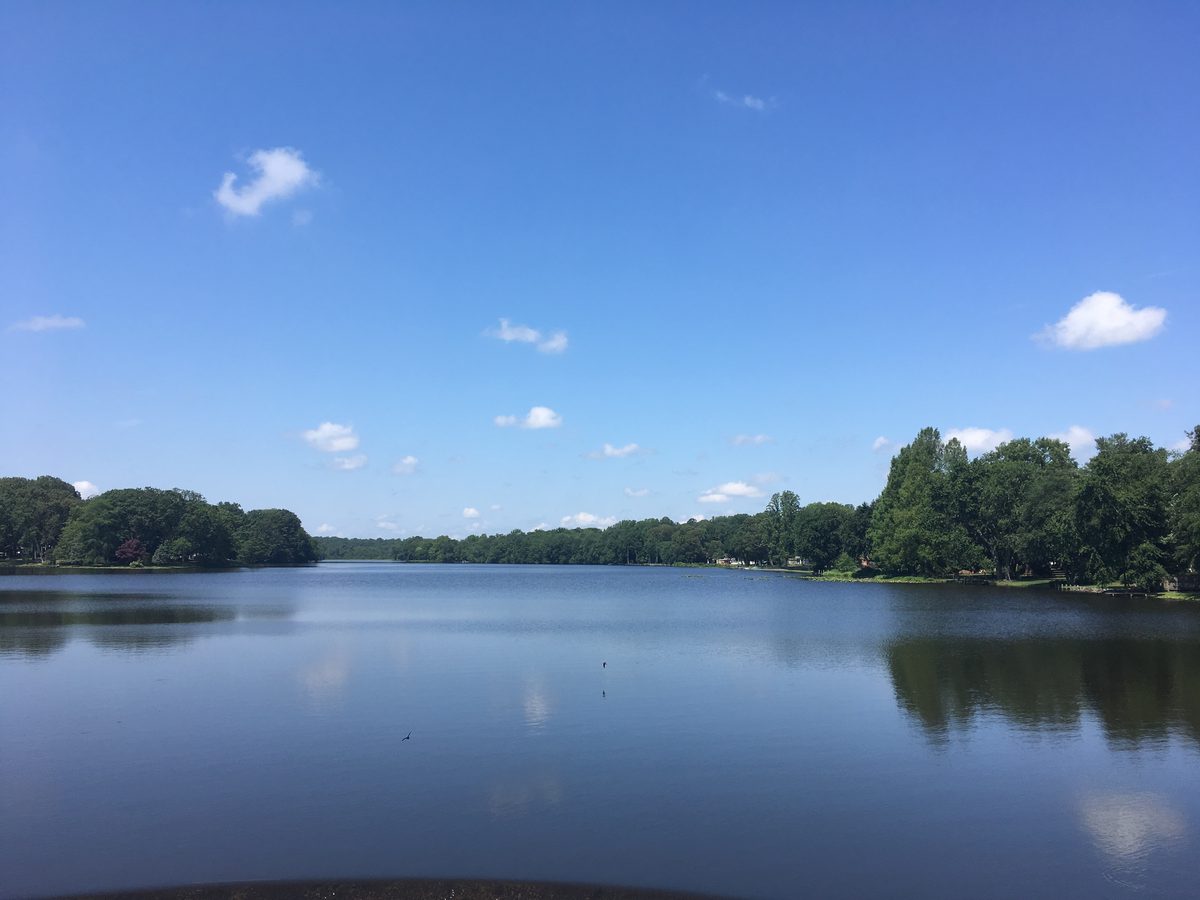
Millsboro Pond, Hearns Pond and Haven Lake are three public ponds that DNREC surveys on a regular cycle, and they make a useful trio to compare because they differ in size and in what the surveys found. Millsboro is the biggest at about 101 acres, Haven Lake is about 82.5 acres and Hearns is about 53 acres. This guide puts the three side by side, explains what the survey numbers do and do not say, and covers the rules, access and tackle for fishing them.
The three ponds at a glance
| Pond | Size | Surveys on record |
|---|---|---|
| Millsboro Pond | about 101 acres | 2011 and 2016 |
| Haven Lake | about 82.5 acres | 2011 and 2016 |
| Hearns Pond | about 53.4 acres | 2008 and 2013 |
Acreage comes from DNREC’s pond survey data. DNREC’s survey notes for Millsboro Pond record limited parking, so plan to arrive early on a busy day and expect to share the space.
What the surveys found
DNREC reports electrofishing catches as fish per hour of sampling. They are snapshots, and they vary with water temperature, weather and the stretch of shoreline sampled, so treat them as a rough comparison.
| Pond and year | Largemouth bass | Bass in the 15-inch class | Bluegill | Black crappie | Yellow perch | Redear sunfish |
|---|---|---|---|---|---|---|
| Millsboro 2011 | 94 | 5 | 104 | 5 | 43 | 29 |
| Millsboro 2016 | 39 | 5 | 134 | 14 | 38 | 14 |
| Hearns 2008 | 86 | 18 | 870 | 30 | 4 | 11 |
| Hearns 2013 | 72 | 10 | 322 | 20 | not recorded | 163 |
| Haven Lake 2011 | 46 | 8 | 112 | 11 | 16 | not recorded |
| Haven Lake 2016 | 35 | 11 | 85 | 13 | 14 | not recorded |
A few patterns stand out. Hearns Pond had by far the most bluegill in 2008, and in 2013 it recorded a very high number of redear sunfish, also called shellcrackers. Millsboro Pond had the most yellow perch of the three. Haven Lake produced fewer fish per hour overall, but a relatively large share of its bass were in the 15-inch class in 2016. None of this tells you what you will catch on a given morning, but it does suggest where to start: panfish on Hearns, perch on Millsboro and bass on Haven Lake.
Rules that apply
The summary above lists the limits and pond rules we confirmed, with sources and the date we checked each. Largemouth bass must be at least 12 inches with a daily limit of six. The panfish limit is 50 a day, with no more than 25 of one species, and there is no size limit. The rule names bluegill, pumpkinseed, crappie and white and yellow perch. It does not name redear sunfish, which are common in Hearns Pond, so check the Delaware Fishing Guide for the redear rule.
Boats must stay at no-wake speed on all of Delaware’s public freshwater ponds. Swimming is illegal, traps and gill nets are not allowed, and you may use no more than two rods with three hooks or lures per rod. If you are 16 or older you need a fishing license unless you are exempt, and the rules and license guide explains who is.
Access
The Delaware Fishing Guide lists a boat ramp with an ADA courtesy dock and shoreline access at Millsboro Pond, Hearns Pond and Haven Lake, and it lists no fishing pier at any of the three. Courtesy docks are for launching, and fishing from them is not allowed. Shoreline access depends on your mobility, and the guide recommends visiting a site first. We could not confirm accessible parking from DNREC’s public pages. If you need accessible access, check with DNREC or the Delaware Ponds Map that DNREC links from its ponds page before you travel. DNREC says its ponds are open to lawful anglers around the clock, and ramp fees or permits may apply where there is a boat ramp.
Fishing for panfish
Three ponds with large bluegill counts make this a good panfish trip. Use light spinning gear in the 5 to 6 foot 6 inch range with 4 to 6 pound line, a small hook and a worm or small piece of bait under a float, or a tiny jig. Redear sunfish, which showed up strongly in Hearns Pond, tend to feed near the bottom and take baits such as worms fished on or just off the bottom. Crappie and perch are often found around cover and in slightly deeper water, and small minnows or small jigs are common choices for them. These are general suggestions rather than documented patterns for these ponds.
Fishing for bass
All three ponds hold largemouth bass. A medium spinning or casting rod with 8 to 12 pound line handles most pond bass lures, and soft plastics, small crankbaits and spinnerbaits work in most conditions. Work the shoreline cover, points and any weed edges. Because only a small share of the bass sampled were in the 15-inch class, putting the bigger fish back is a good way to keep that class healthy.
Seasons and timing
Spring and fall are generally the most comfortable times to fish and bring fish into the shallows. Summer fishing is best early and late. These are typical Mid-Atlantic pond patterns and not site-specific findings.
Safety and etiquette
Banks can be muddy and slippery. Supervise children at the water’s edge. If you use a boat, keep to no-wake speed and give other anglers room. Pack out your line and trash.
Eating the fish
These ponds are not named in DNREC’s fish consumption advisory table, so the default of 52 meals per year applies, as shown above. The rules snapshot has the exact wording and the date we checked it. See also the ponds and lakes guide and the kid-friendly fishing guide.
Fish you can target here
Nearby waters
Delaware Fishing License, Limits and Rules
More fishing guides for Delaware
Frequently asked questions
Do these ponds have fishing piers? +
The Delaware Fishing Guide lists no fishing pier at Millsboro Pond, Hearns Pond or Haven Lake. It lists a boat ramp with an ADA courtesy dock and shoreline access at each.
Sources
- DNREC fishing ponds (accessed November 1, 2026)
- DNREC pond shoreline rules (accessed November 1, 2026)
- Delaware Open Data: Freshwater Pond Fish Community Surveys (accessed November 1, 2026)
- Delaware Fishing Guide: non-tidal limits (accessed November 1, 2026)
- DNREC gamefish and freshwater restrictions (accessed November 1, 2026)
- DNREC license fees (accessed November 1, 2026)
- DNREC license exemptions (accessed November 1, 2026)
- DNREC fish consumption advisories (accessed November 1, 2026)
- 2026 Delaware Fishing Guide (PDF) (accessed November 1, 2026)
Approximate location: Millsboro Pond, Millsboro, DE.