
Kid-Friendly and Accessible Fishing in Delaware
Last verified:
By BCRods
Quick facts
- License
- Anyone under 16 is exempt from the license and FIN
- Panfish
- No size limit; 50 a day, no more than 25 of one species
- Catch and release
- Pasture Point Pond, with barbless hooks and artificial bait only
Rules snapshot
Who does not need a fishing license
Delaware residents 65 and older (with proof of age and residency) and anyone under 16 are exempt from the license. Anglers 16 and older need a free FIN number, and exempt anglers may need to apply for one separately. · DNREC exemptions, checked November 1, 2026
Trout stamp fees
Resident ages 16 to 64: $4.20. Resident young angler (ages 12 to 15): $2.10. Non-resident (age 12 and over): $6.20. Delaware residents 65 and older are exempt from the trout stamp. · DNREC license fees, checked November 1, 2026
Panfish (freshwater)
White perch, yellow perch, crappie, bluegill and pumpkinseed: no size limit. 50 a day, with no more than 25 of one species. · Delaware Fishing Guide, non-tidal limits (updated Feb. 6, 2026), checked November 1, 2026
Pasture Point Pond fishing rules
Catch and release only. Barbless hooks only. Artificial bait only. Lead-free tackle is required. No bowfishing. Fish from the bank where allowed and from the dock. The refuge describes these rules as exceptions to Delaware state regulations. · USFWS Bombay Hook fishing, checked November 1, 2026
Fish consumption advisory: public ponds
Lums, Killens, Trap, Millsboro, Hearns, Haven Lake and Wagamons ponds are not named in DNREC's advisory table, so the default applies: 52 meals a year (8-ounce adult serving) for all finfish. Moores Lake, which is listed, is 12. · DNREC fish consumption advisories, checked November 1, 2026
Public access at the ponds in these guides
Lums Pond: boat ramp, fishing pier and shoreline access. Killens Pond: unimproved ramp, shoreline access. Trap Pond: boat ramp, shoreline access. Millsboro Pond, Hearns Pond, Haven Lake and Wagamons Pond: boat ramp with an ADA courtesy dock and shoreline access; no fishing pier is listed at any of them. Newton Pond: car-top launch only, no gas motors, fishing pier and shoreline access. Becks Pond: no gas motors. A seasonal or daily fee may be required at access areas run by the Division of Parks and Recreation, which include Lums, Killens and Trap. No fishing is allowed from courtesy docks. · 2026 Delaware Fishing Guide, freshwater access areas, checked November 1, 2026
This is not legal advice. Rules change, so confirm with the state agency before you fish.
The best fishing trip for a child is short, simple and likely to produce a fish. In Delaware that usually means a pond with panfish, a stocked trout water in spring, or a catch-and-release spot where the rules are clear and the pace is relaxed. This guide pulls together the options we cover, explains the rules that matter most for families, and offers practical advice for taking young anglers out.
Start with the rules that affect families
Anyone under 16 is exempt from the Delaware fishing license and from the free FIN number, so children can fish without buying anything. Adults 16 and older need a license unless they are exempt, and Delaware residents 65 and older are exempt with proof of age and residency. Young anglers ages 12 to 15 who want to fish for trout in designated trout streams pay a lower trout stamp fee, shown in the summary above. Our rules and license guide explains each of these in more detail.
Panfish are the friendliest fish for beginners. There is no size limit, and the daily limit is 50 with no more than 25 of one species, as shown above. That means a child who catches a handful of bluegill does not have to worry about measuring.
Where to go
A catch-and-release pond. Pasture Point Pond at Bombay Hook is catch and release only, with barbless hooks and artificial bait only. It works well for a family that is comfortable releasing every fish and wants a quiet, supervised place with dock and bank access. Read the rules in advance, because live bait and lead tackle are not allowed.
A panfish pond. The public ponds covered in our ponds and lakes guide hold bluegill and other panfish in good numbers according to DNREC’s surveys. Millsboro Pond, Hearns Pond and Haven Lake are three options, and Hearns Pond recorded very high bluegill numbers in its 2008 survey. Lums Pond and Wagamons Pond are also good choices for a family that wants to fish from the bank.
Stocked trout in spring. Stocked trout are often willing to bite, which makes them a good first fish when the season is open. Wilson Run and the Tidbury and Newton ponds allow bait and lures, and you can read about the rules and stamps in our trout fishing guide. Dates for 2027 have not been announced yet.
A pier. Fishing piers are easy places to bring children because there is a defined spot to stand and no bank to slip down. Our fishing piers guide covers the options as they become available.
Two ponds we could not confirm
Two small waters often come up in lists of places for families, and we are not claiming anything about them that we could not confirm. Bellevue Pond is described by some sources as a popular catch-and-release pond, but we could not confirm the rule from an official source we can read, so check the signs posted at the pond before you keep any fish. The pond at the Aquatic Resources Education Center in the Woodland Beach Wildlife Area is another place we could not confirm a catch-and-release rule for, so check with DNREC before you go. When a rule is unclear, release the fish. It is always allowed.
Accessible fishing
The Delaware Fishing Guide lists, for every public access area, whether there is a boat ramp, a fishing pier and shoreline access, and it marks ramps that have an ADA courtesy dock. Among the ponds in our guides, Lums Pond and Newton Pond have fishing piers, while Millsboro Pond, Hearns Pond, Haven Lake and Wagamons Pond have ramps with courtesy docks and shoreline access but no piers. Courtesy docks are for launching, and fishing from them is not allowed. The guide also says that shoreline access depends on your own mobility and suggests visiting a site first. We could not confirm accessible parking from DNREC’s public pages, so check with DNREC if that matters for your trip.
Gear for young anglers
Keep it simple. A short spinning rod or a push-button spincast outfit with 6 to 8 pound line is easy for a child to handle. Small hooks, a bobber and a worm catch panfish all day. A bobber is the best teaching tool there is, because the child can see when a fish bites. For a catch-and-release spot, crush the barbs on your hooks or use barbless hooks, and bring pliers.
Gear that fits a child’s size makes a difference in how much fun the day is. A rod that is the right length and weight for a young angler casts more easily and feels better in the hand than a full-size adult rod. If you want a rod built for a particular young angler, tell us who it is for and where you fish, and we can build one to match.
Making the day work
Plan for short sessions. An hour or two at the water, with snacks and breaks, goes better than a long day. Choose a time of day that is comfortable, avoid the hottest hours, and bring sunscreen, water and a hat. Let the child do as much as possible: baiting is part of the fun and so is releasing the fish. Praise the effort rather than the size of the catch.
Teach the habits early. Wet your hands before touching a fish you plan to release, keep it in the water as long as you can, and handle hooks carefully. Always keep an adult within arm’s reach on a bank or dock, and put a life jacket on any child who is near deep water or in a boat.
Safety and etiquette
Pond banks and docks can be slick, and weather changes quickly. Check the forecast, keep an eye on children at all times and pack out your trash and line. Respect other anglers and give them room. Swimming is illegal in Delaware’s public ponds and lakes.
Eating the fish
If you keep fish for the table, check the water against DNREC’s consumption advisory table. The ponds in this guide are not named in that table, so the statewide default applies: one 8-ounce meal per week, or 52 meals per year. The advisory guidance for children is more cautious than for adults, and DNREC defines a child’s meal as three ounces. For catch-and-release waters, such as Pasture Point Pond, no fish leave the water.
Waters in this guide
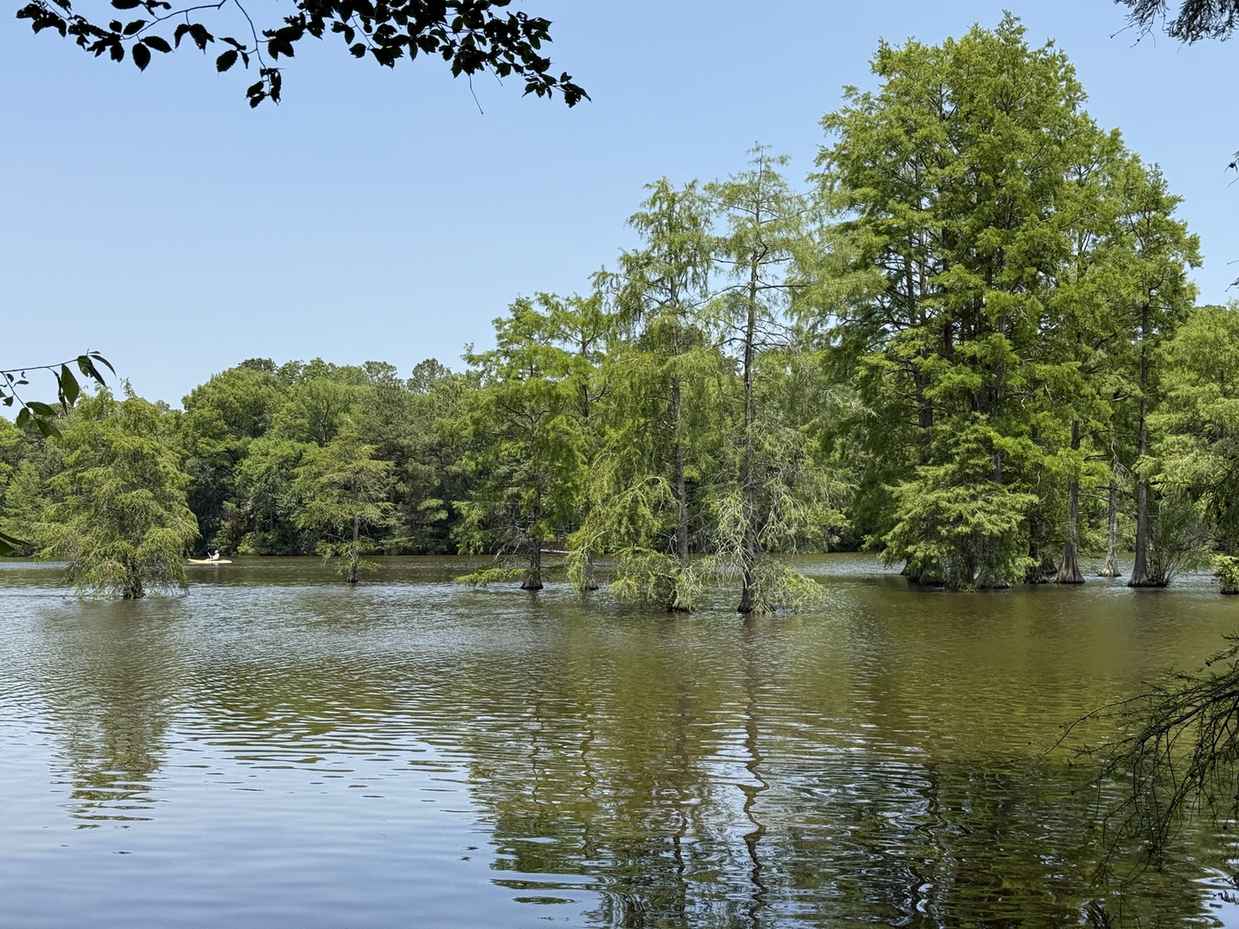
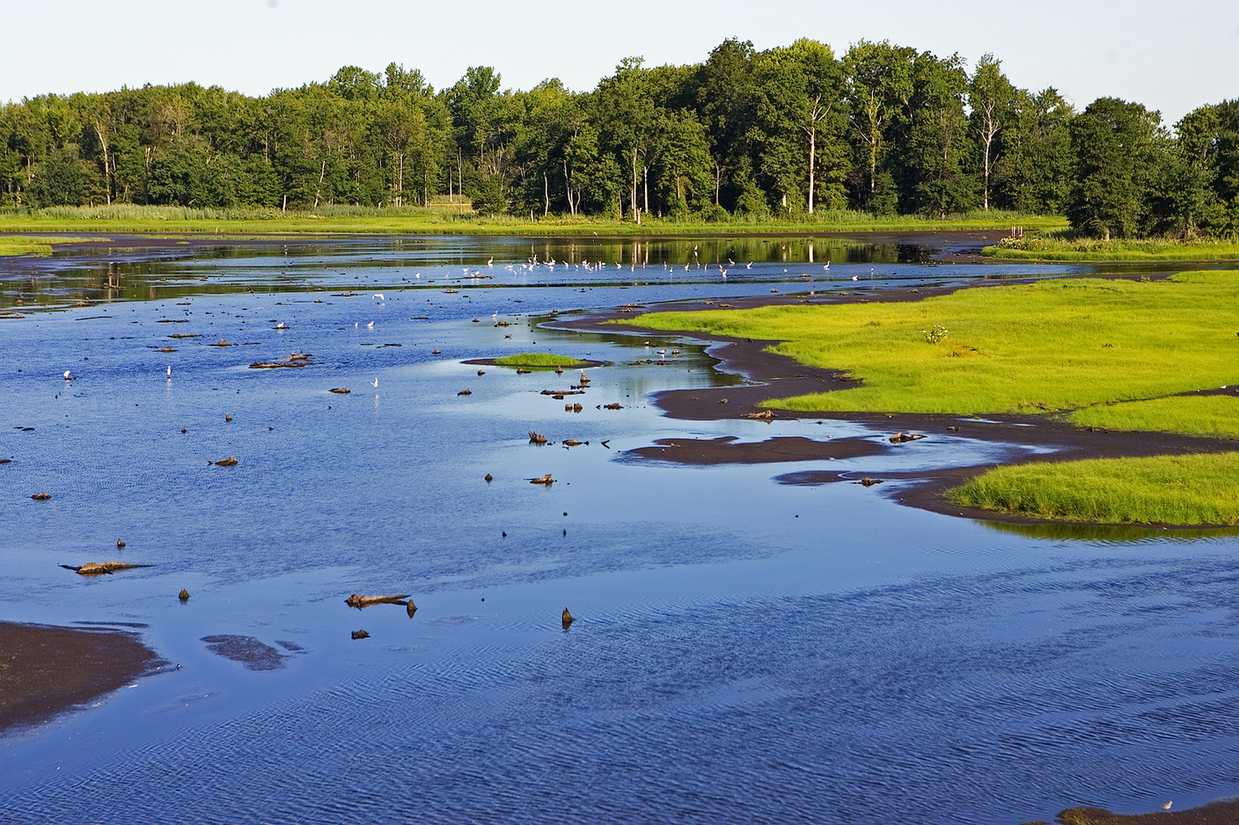
Fishing Pasture Point Pond at Bombay Hook
Catch-and-release bass, bluegill, catfish and crappie at Bombay Hook NWR. Barbless hooks, artificial bait only, lead-free tackle.
Fishing Lums Pond in Delaware
Delaware's largest public fishing pond: bass, panfish, catfish and DNREC survey data.
Fishing Millsboro Pond, Hearns Pond and Haven Lake
Accessible fishing piers and panfish at three Sussex County ponds.
Wagamons Pond Fishing in Milton
Delaware's record-bass pond: ramp, access and survey data.
More fishing guides for Delaware
Frequently asked questions
Do children need a fishing license in Delaware? +
No. Anyone under 16 is exempt from the fishing license and the FIN requirement.
What is a good first fish for a child? +
Bluegill and other panfish. There is no size limit, and they bite readily on a small hook with a worm under a float.
Sources
- DNREC license exemptions (accessed November 1, 2026)
- DNREC license fees (accessed November 1, 2026)
- Delaware Fishing Guide: non-tidal limits (accessed November 1, 2026)
- USFWS Bombay Hook fishing (accessed November 1, 2026)
- DNREC fish consumption advisories (accessed November 1, 2026)
- DNREC freshwater trout fishing (accessed November 1, 2026)
- 2026 Delaware Fishing Guide (PDF) (accessed November 1, 2026)