
Fishing Pasture Point Pond at Bombay Hook
Last verified:
By BCRods
Quick facts
- Harvest
- Catch and release only
- Hooks and bait
- Barbless hooks, artificial bait only, lead-free tackle
- Access
- Bank where allowed, and the dock
- Species
- Bass, bluegill, catfish, crappie
- Hours
- Half an hour before sunrise to half an hour after sunset, except hunting and management closures
Rules snapshot
Pasture Point Pond fishing rules
Catch and release only. Barbless hooks only. Artificial bait only. Lead-free tackle is required. No bowfishing. Fish from the bank where allowed and from the dock. The refuge describes these rules as exceptions to Delaware state regulations. · USFWS Bombay Hook fishing, checked November 1, 2026
Bombay Hook hours and closures
Fishing is allowed during regular refuge hours: half an hour before sunrise to half an hour after sunset daily, year round. Fishing is closed on days when the area is closed for hunting or other management activities, and the refuge posts those dates on its Visit Us page. The refuge page does not state whether the entrance pass that applies to the wildlife drive and trails also applies to fishing. · USFWS Bombay Hook visit page, checked November 1, 2026
Who does not need a fishing license
Delaware residents 65 and older (with proof of age and residency) and anyone under 16 are exempt from the license. Anglers 16 and older need a free FIN number, and exempt anglers may need to apply for one separately. · DNREC exemptions, checked November 1, 2026
This is not legal advice. Rules change, so confirm with the state agency before you fish.
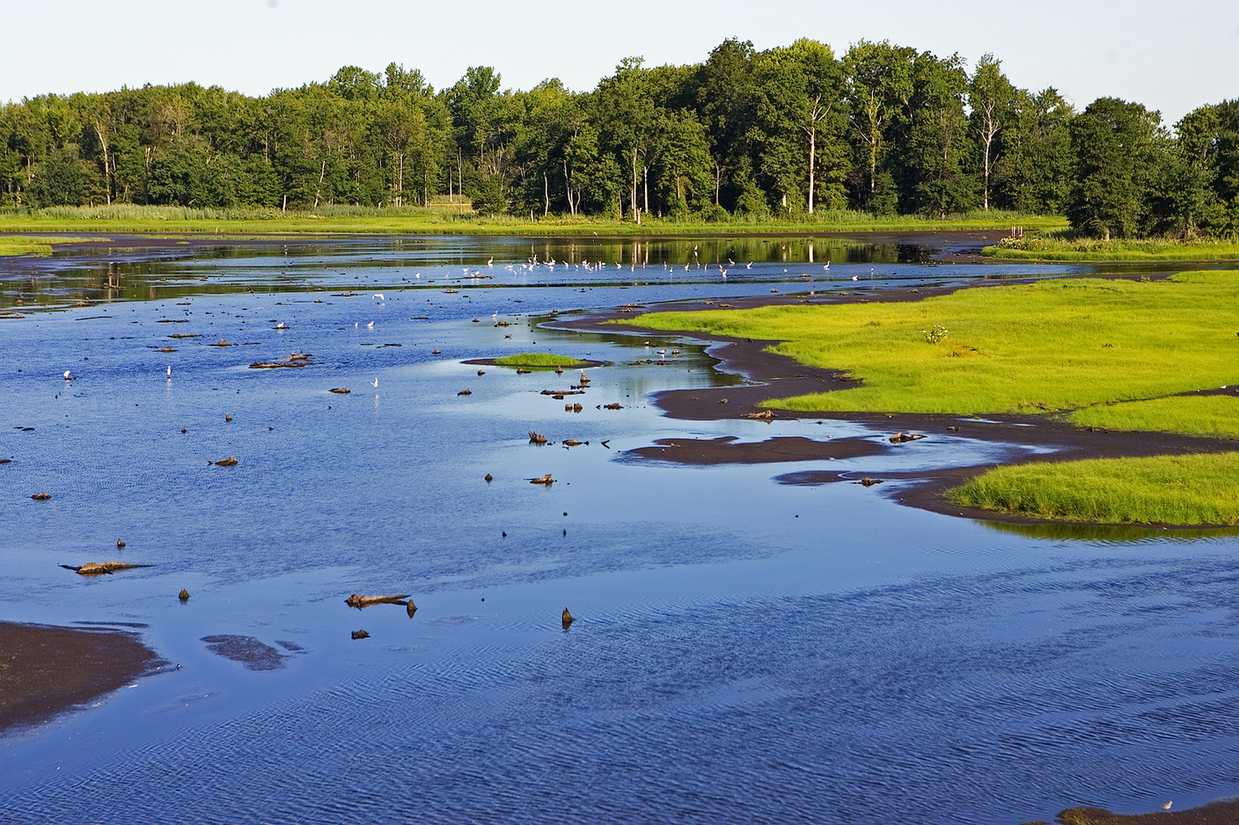
Pasture Point Pond is a small freshwater pond inside Bombay Hook National Wildlife Refuge, a large tidal marsh refuge managed by the U.S. Fish and Wildlife Service. It is one of the few places in the state where fishing is allowed on refuge water, and it comes with rules that are stricter than almost anywhere else in Delaware. The most important one is in the badge at the top of this page: fishing here is catch and release only. This guide explains the rules, how to fish within them and what to check before you go.
Catch and release only
The refuge states the rule plainly: fishing at Pasture Point Pond is catch and release only. You may not keep fish, and you may not take them home for the table. If you are bringing children or anyone new to fishing, make sure they know this before you arrive.
The rest of the pond’s rules fit together around that idea. Only barbless hooks are allowed. Only artificial bait is allowed, which rules out worms, minnows, dough bait and any other natural or prepared bait. Lead-free tackle is required, and bowfishing is not allowed. You fish from the bank where fishing is allowed and from the dock. The summary above lists each rule with its source and the date we checked it.
The refuge describes these rules as exceptions to Delaware state regulations. That wording suggests state rules apply otherwise, but the refuge pages we read do not say whether a Delaware fishing license is required here. Check with the refuge before you go, and see the Delaware rules and license guide for the state’s license and exemption rules.
Hours, closures and fees
Fishing is allowed during regular refuge hours, which run from half an hour before sunrise to half an hour after sunset every day of the year. The refuge closes fishing on days when the area is closed for hunting or other management work, and it posts those dates on its Visit Us page. They change from year to year, so look them up before every trip rather than relying on a date you remember.
The refuge says the wildlife drive and trails are open with an entrance pass. Its fishing page does not say whether that pass applies to anglers, and we did not find a fee amount, so we have left both out. Ask the refuge or check its page before you leave home.
What lives here
The refuge lists bass, bluegill, catfish and crappie as the species you can expect to find. That mix suits light tackle and a lure-only approach. Because you must release every fish, there is no size or bag limit to track, only the handling rules that keep fish healthy.
Tackle that fits the rules
A light to medium spinning rod around 6 to 6 feet 6 inches with 6 to 8 pound line suits a pond like this. It handles panfish comfortably and still has enough backbone for a decent bass. Small jigs, spinners and soft plastics are good lure choices, and they work well for both bass and panfish. These are typical starting points, not requirements.
Two rules need a bit of preparation. Barbless hooks are easy to buy, and you can also crush the barb on a regular hook with pliers, which many anglers do before they leave home. Lead-free tackle means checking your jig heads and split shot. Tungsten, steel and other non-lead options are widely sold, and you should leave anything that contains lead in the tackle box.
Because you cannot use live or prepared bait, the best approach is to match your lure to the water you see. A small soft plastic on a light jig head covers the water column. A small spinner is an easy way to find panfish. Cast around the dock and along the bank, and vary the depth until you find where fish are holding.
Handling fish for release
A catch-and-release pond puts the burden of care on the angler. Use a net with a soft, rubber or knotless mesh if you have one, wet your hands before touching a fish, and keep it in the water as much as possible. Barbless hooks make quick release easy, so avoid horsing a fish in, and avoid squeezing it or holding it by the gills. If you want a photo, have the camera ready and lift the fish only briefly. A fish that is revived by holding it upright in the water until it swims off has the best chance of surviving.
Fishing here with children
The dock and bank access, the catch-and-release rule and the panfish make Pasture Point Pond a reasonable choice for a short family trip, and our kid-friendly fishing guide compares it with other options. Plan for modest goals. A child who catches a bluegill and lets it go has done everything right. Keep the rules visible, and do not let a first catch turn into an argument about taking it home.
Visiting a wildlife refuge
Bombay Hook is a place for wildlife first. Stay on the dock or bank where fishing is allowed, keep your voice down, and do not wade, feed animals or leave line behind. Drones are prohibited on the refuge. Check the refuge’s page before you go for current closures, particularly in hunting season.
Eating the fish
Because every fish here must be released, a consumption advisory does not apply to fish from this pond. For waters where harvest is allowed, see the Delaware ponds and lakes guide and the advisory table in the rules guide.
Fish you can target here
Nearby waters
Delaware Fishing License, Limits and Rules
More fishing guides for Delaware
Frequently asked questions
Can I keep the fish I catch at Pasture Point Pond? +
No. Fishing at Pasture Point Pond is catch and release only.
Can I use worms or live bait? +
No. Only artificial bait is allowed, and hooks must be barbless.
Do I need a Delaware fishing license? +
The refuge pages we read do not say. Check with the refuge before you go.
Sources
- USFWS Bombay Hook fishing (accessed November 1, 2026)
- USFWS Bombay Hook visit page (accessed November 1, 2026)
- DNREC license exemptions (accessed November 1, 2026)
Approximate location: Bombay Hook National Wildlife Refuge, Smyrna, DE.