
Fishing Indian River Inlet: Jetties, Currents and Seasons
Last verified:
By BCRods
Quick facts
- Water
- Atlantic inlet; fishing along the inlet, no boat ramp at the inlet itself
- Nearby ramp
- Indian River Marina, two lanes
- Striped bass
- 28 to 31 inches, one a day
- Black sea bass
- Open May 1 to December 31; 12.5 inches; 15 a day
- Safety
- Strong tidal current, slippery rock and spray; not a place for beginners alone
- Rod fit
- 7 to 9 foot medium-heavy spinning
Rules snapshot
Public access on the Atlantic coast and Inland Bays
Cape Henlopen Fishing Pier (Delaware Bay): fishing pier, no boat ramp. Indian River Inlet (Atlantic Ocean): fishing along the inlet, no boat ramp. Indian River Marina: two-lane boat ramp, no pier. Holts Landing (Indian River Bay): one-lane boat ramp and a fishing pier. Masseys Landing (Indian River and Rehoboth Bay): four-lane boat ramp and a fishing pier. Rosedale Beach (Indian River): one-lane boat ramp and a fishing pier. Mulberry Landing, Assawoman Wildlife Area (Little Assawoman Bay): one-lane boat ramp, no pier, with plenty of access along the bulkhead. Seasonal or daily fees may apply at areas run by the Division of Parks and Recreation. Shoreline access depends on your own mobility. · Delaware Fishing Guide: tidal access areas, checked November 1, 2026
Surf fishing vehicle permit
A Surf Fishing Vehicle Permit is required to drive on a designated Delaware State Park beach. Only four-wheel-drive vehicles with at least seven inches of ground clearance that are licensed for public roads are eligible. Permit holders must be actively surf fishing while on the beach. Permits are sold at State Park offices, at various license agents and at the DNREC main office in Dover. Surf beaches are in Cape Henlopen State Park, Delaware Seashore State Park, Fenwick Island State Park and on Beach Plum Island. Division of Parks and Recreation: (302) 739-9220. · 2026 Delaware Fishing Guide, checked November 1, 2026
Surf fishing permits and reservations
Permit fees, the annual permit cap and current reservation rules change often. Check Delaware State Parks at (302) 739-9220. DNREC fishing access
Striped bass (tidal)
1 fish a day. Size 28 to 31 inches, except 20 to 24 inches only from July 1 to August 31 in Delaware Bay, the Delaware River and their tributaries. Catch and release only on the spawning grounds from April 1 to May 31. The guide notes changes may be needed for some species. · Delaware Fishing Guide, tidal limits (updated Sept. 23, 2026), checked November 1, 2026
Hooks for striped bass with natural bait
Non-offset circle hooks are required when fishing for striped bass with cut or whole natural baits such as clams, squid, mackerel, menhaden, sea worms or eels. · 2026 Delaware Fishing Guide (PDF), checked November 1, 2026
Summer flounder (tidal)
4 a day. Minimum size 16 inches from January 1 to May 31 and 17.5 inches from June 1 to December 31. · Delaware Fishing Guide, tidal limits (updated Sept. 23, 2026), checked November 1, 2026
Black sea bass (tidal)
Open May 1 to December 31. Minimum size 12.5 inches. 15 a day. · Delaware Fishing Guide, tidal limits (updated Sept. 23, 2026), checked November 1, 2026
Bluefish (tidal)
No size limit. 5 a day from a private vessel or shore. 7 a day from a charter boat or headboat. · Delaware Fishing Guide, tidal limits (updated Sept. 23, 2026), checked November 1, 2026
Atlantic croaker and spot (tidal)
Atlantic croaker: minimum size 8 inches, 50 a day. Spot: no size limit, 50 a day. · Delaware Fishing Guide, tidal limits (updated Sept. 23, 2026), checked November 1, 2026
Tautog (tidal)
Open January 1 to May 15 and July 1 to December 31, closed May 16 to June 30. 4 a day. Minimum size 16 inches from January 1 to May 15. The table text we read shows no size for July 1 to December 31, so check the Delaware Fishing Guide for that period. · Delaware Fishing Guide, tidal limits (updated Sept. 23, 2026), checked November 2, 2026
Red drum (tidal)
Only fish 20 to 27 inches may be kept. 5 a day. · Delaware Fishing Guide, tidal limits (updated Sept. 23, 2026), checked November 1, 2026
Kingfish and sheepshead (tidal)
These species were not in the tidal table we read. Check the Delaware Fishing Guide. Delaware Fishing Guide, tidal limits
Tidal boat ramps
Motorboats launched from tidal access areas run by the Division of Fish and Wildlife must be registered in Delaware or have a valid Tidal Access Boat Ramp Certificate, which cost $35 when we checked. Fishing, crabbing or swimming from the floating courtesy docks at Division boat ramps is prohibited unless posted otherwise. · DNREC boating registration, checked November 1, 2026
Fish consumption advisory: Atlantic coastal waters and Inland Bays
Meals a year (8-ounce adult serving): striped bass 3*; bluefish 20 inches or less 12; bluefish over 20 inches 3*. Waters not listed, all finfish: 52. *Women who are or may become pregnant or breastfeeding and children should not eat these fish. · DNREC fish consumption advisories, checked November 1, 2026
Delaware fishing license fees
Resident (ages 16 to 64): $8.50 a year. Non-resident (age 16 and over): $20.00 a year, or $12.50 for seven consecutive days. One license covers both fresh and tidal waters and is good for the calendar year. · DNREC license fees, checked November 1, 2026
Who does not need a fishing license
Delaware residents 65 and older (with proof of age and residency) and anyone under 16 are exempt from the license. Anglers 16 and older need a free FIN number, and exempt anglers may need to apply for one separately. · DNREC exemptions, checked November 1, 2026
This is not legal advice. Rules change, so confirm with the state agency before you fish.
Indian River Inlet is the gap between the Atlantic and Indian River Bay, and it is one of the busiest saltwater fishing spots in Delaware. The current is strong, the rock is slick and the fishing changes with the tide and the season. This guide covers how access works, what DNREC’s latest report says is biting, which rules apply and how to stay safe. It is written for anglers with some experience on moving water.
Safety first
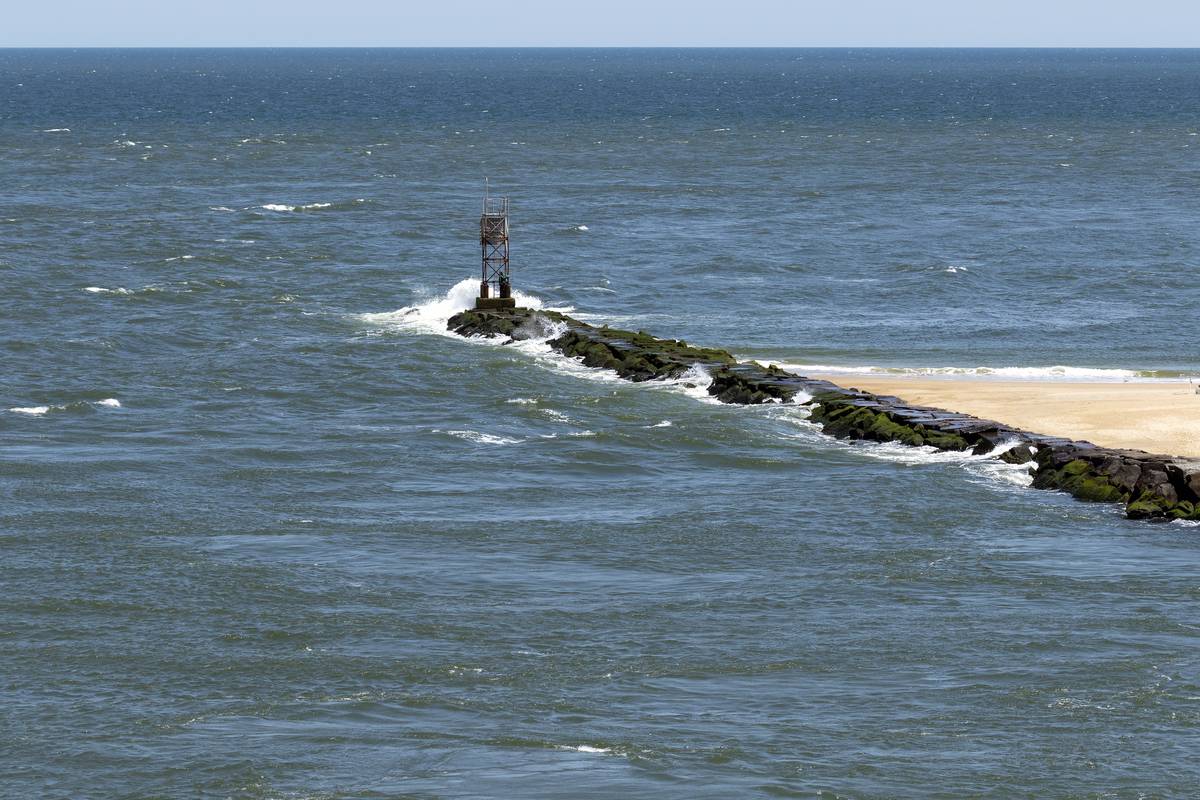
Treat the inlet with respect. The tide runs hard through a narrow channel, and the rock along the banks and jetties is uneven and wet from spray. Falls and cold water are the main dangers. A few habits help:
- Wear boots or cleats with a grip that works on wet rock, not smooth soles.
- Dress for cold. Spray and wind cool you quickly in fall and spring, and cold water can disable a swimmer in minutes.
- Do not fish alone at night, and let someone know where you are.
- Never turn your back on the water on a jetty. Waves and wakes arrive without much warning.
- Consider a life vest or a wearable inflatable if you climb out on rock.
Closures and restrictions can come up on the beaches and jetties around the inlet. We looked for current notices in DNREC’s news releases and could not confirm any, but the state parks website carries the up-to-date word. Check it before you go, especially in the fall.
How access works
The Delaware Fishing Guide lists two entries at the inlet, both run by the Division of Parks and Recreation. Indian River Inlet is listed as a place for fishing along the inlet, with no boat ramp. Indian River Marina, nearby, has a two-lane boat ramp and no fishing pier. Seasonal or daily fees may apply at Division of Parks and Recreation areas. We are not giving a fee, because the figures we found were old and unverified.
Fishing from the floating courtesy docks at ramps is not allowed. The guide also notes that how usable a shoreline is depends on your own mobility, and recommends visiting a site first.
Drive-on beaches near the inlet are part of the Delaware Seashore surf system. If you plan to drive on a beach, you need a surf fishing vehicle permit. The Delaware surf fishing guide explains the permit rules.
What is biting
DNREC publishes a weekly fishing report, and we use it only for context. The October 29, 2026 report said rough seas from a northeast wind had pushed most of the catching into sheltered water, and it named Indian River Inlet as one of the few places producing. According to a local tackle shop quoted in that report, more keeper tautog were showing up in catches from the inlet on sand fleas, and the night shift was still catching striped bass on live eels and a variety of plugs and bucktails.
Other seasons fish differently. Regional articles describe summer flounder drifted or cast with bucktails on an incoming tide, and bluefish on metal lures when they are in. Those reports vary from year to year, so treat them as a pattern, not a promise.
Tides and the jetties
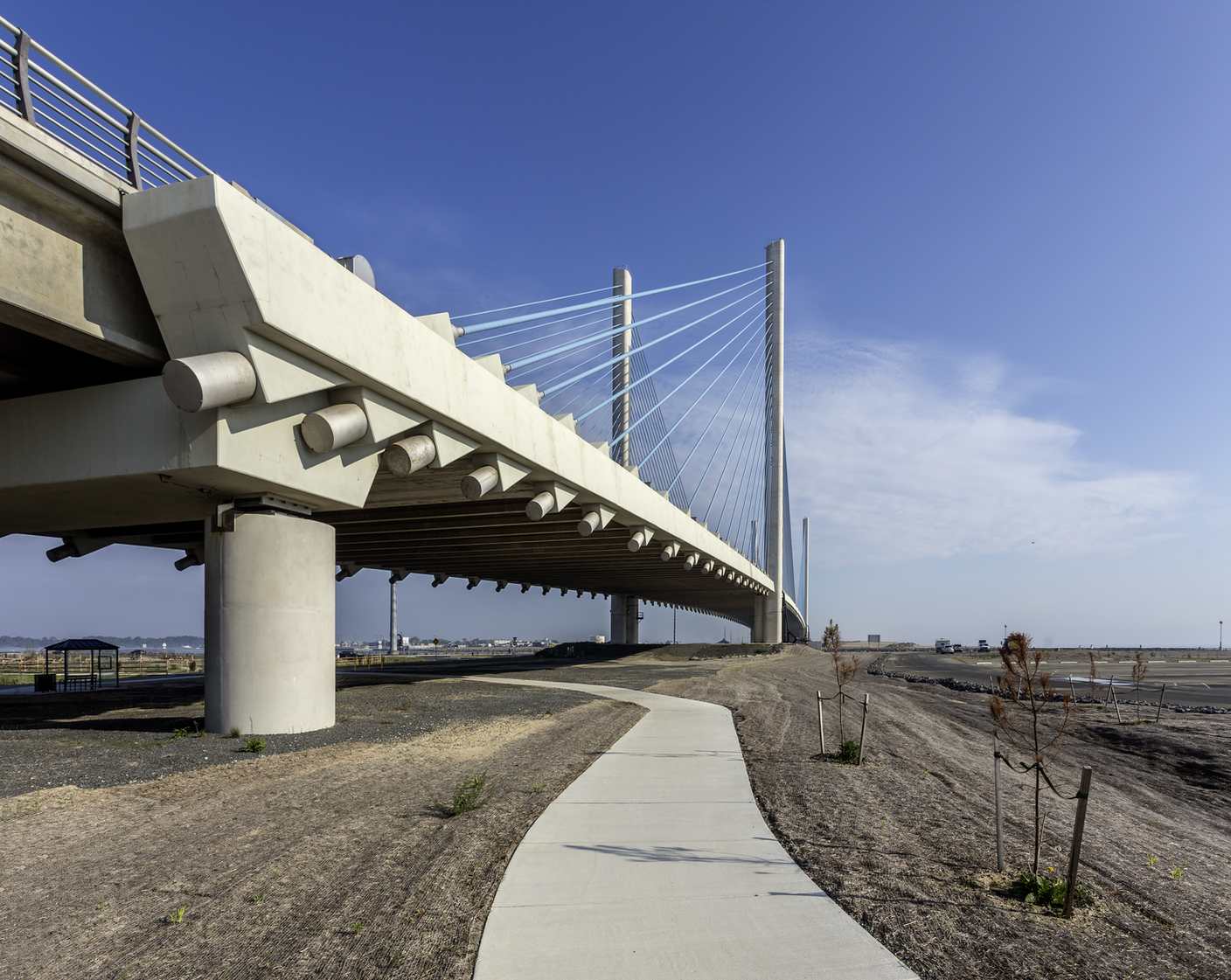
Most anglers who fish the inlet plan around the tide. Moving water brings bait through the gap and sets up eddies along the rock and the bridge pilings, which is where predator fish wait. An incoming tide is a popular choice because it brings bait in from the ocean. Fishing the change in either direction is usually better than the slack.
For tautog, anglers typically fish crab or sand fleas right against structure and accept some lost rigs. For striped bass at night, live eels and swimming plugs are common. In daylight, bucktails and metal lures cover water. Tackle shops near the inlet can tell you which method is working that week.
Rules to know
The summary above lists the limits we confirmed. The ones most likely to matter at the inlet:
- Striped bass. One a day, 28 to 31 inches, except 20 to 24 inches from July 1 through August 31 in Delaware Bay, the Delaware River and their tributaries. When fishing with cut or whole natural bait, such as clams, squid, mackerel, menhaden, sea worms or eels, you must use a non-offset circle hook.
- Summer flounder. The minimum size is 16 inches through May 31 and 17.5 inches from June 1, with a limit of four a day.
- Black sea bass. Open May 1 through December 31, with a 12.5 inch minimum and a limit of 15.
- Bluefish. No size limit, with five a day from shore or a private vessel.
- Red drum. Only fish 20 to 27 inches may be kept, with a limit of five a day.
Tautog, kingfish and sheepshead are fished at the inlet, but we are not giving their limits here. We could not confirm the tautog season and size against a current source, and the other two are not in the table we read. The Delaware Fishing Guide has the current rules, and the guide itself says new regulations will likely be needed for several tidal species in 2026. A Delaware fishing license is required at 16 unless you are exempt. See the rules and license guide.
Gear that fits the inlet
A 7 to 9 foot medium-heavy spinning rod is a good all-round choice. It has the reach to cast bucktails and plugs into the current and the backbone to turn a striped bass or bluefish away from the rocks. Line in the 15 to 30 pound range is common, with a heavier leader around structure. For tautog and flounder, a shorter, more sensitive rod gives a better feel for bites. These are typical setups, not requirements.
An inlet is hard on tackle. A custom rod built for jetty and inlet work can be made tougher where it matters, with guides and a reel seat chosen for salt and abuse. Tell us where you fish and what you target, and we can build the rod around it.
Eating the fish
DNREC’s advisory for Atlantic coastal waters lists striped bass at 3 meals a year with a star, and bluefish at 12 meals if 20 inches or less and 3 with a star if longer. A star means women who are or may become pregnant or breastfeeding and children should not eat those fish. The summary has the full wording and the date we checked it.
Nearby
The bays behind the inlet are quieter and easier to fish. See the Inland Bays guide. For the ocean beaches, see the surf fishing guide.
Fish you can target here
Black Sea Bass Fishing in Delaware
Delaware sea bass rules (12.5 in, 15/day, May 1–Dec 31) and the reef, inlet and wreck spots that hold them.
Bluefish Fishing in Delaware
Delaware bluefish limits (5/day shore, 7/day charter) and the inlets, piers and beaches where blues run.
Striped Bass Fishing in Delaware
Where, when and how to catch striped bass in Delaware: bay, river, inlet and surf, with the seasonal closures and slot limits.
Summer Flounder (Fluke) Fishing in Delaware
Flounder seasons, 17.5-inch size limit and where to drift or cast in Delaware.
Tautog (Blackfish) Fishing in Delaware
Delaware tog seasons and the 16-inch limit, plus the jetties, wrecks and reefs where they live.
Dock Tales from this water
Nearby waters
Fishing the Delaware Inland Bays
Piers, flounder and tog in Rehoboth, Indian River and Little Assawoman bays.
Delaware Surf Fishing: Permits, Beaches and Gear
Permits, reservations, baits and rods for Delaware's ocean beaches.
Lewes–Rehoboth Canal and Roosevelt Inlet Fishing
Flounder and sea bass from the canal, inlet and jetties near Lewes.
Delaware Fishing License, Limits and Rules
More fishing guides for Delaware
Frequently asked questions
Can you fish Indian River Inlet from shore? +
Yes. The Delaware Fishing Guide lists Indian River Inlet as a fishing access area with fishing along the inlet. Seasonal or daily fees may apply at Division of Parks and Recreation areas.
What are people catching at Indian River Inlet in late October? +
In the DNREC report of October 29, 2026, a local tackle shop said keeper tautog were showing up on sand fleas, and the night shift was still catching striped bass on live eels, plugs and bucktails.
Is a circle hook required for striped bass at the inlet? +
Yes, when fishing with cut or whole natural bait, you must use a non-offset circle hook.
Sources
- 2026 Delaware Fishing Guide (PDF) (accessed November 1, 2026)
- Delaware Fishing Guide: tidal access areas (accessed November 1, 2026)
- Delaware Fishing Guide: tidal limits (accessed November 1, 2026)
- DNREC fish consumption advisories (accessed November 1, 2026)
- DNREC fishing report (Oct. 29, 2026) (accessed November 1, 2026)
Approximate location: Indian River Inlet, Delaware Seashore State Park, DE.