
Tautog (Blackfish) Fishing in Delaware
Last verified:
By BCRods
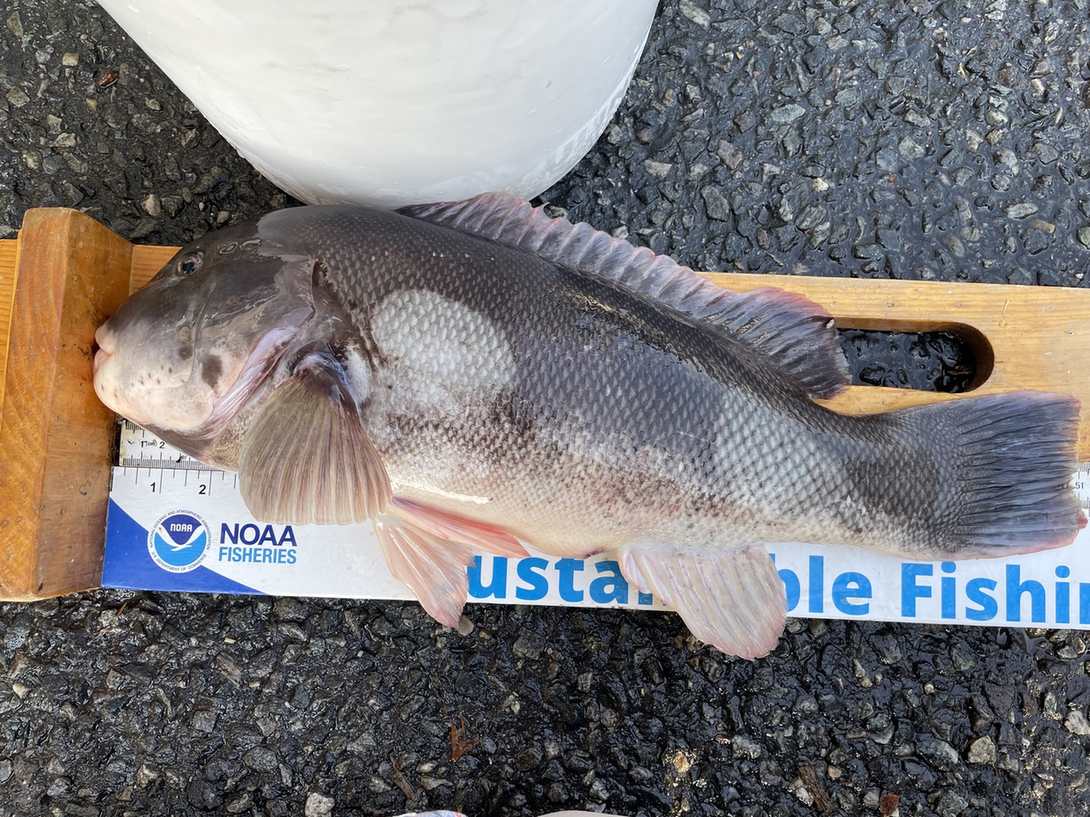
Quick facts
- Seasons
- Jan 1 to May 15 and Jul 1 to Dec 31
- Limit
- 4 a day
- Size
- 16 in Jan 1 to May 15; check Jul to Dec
- Rod fit
- Short, heavy, fast, 6 to 7 ft
- State record
- 22 lb 14.4 oz (2023)
- Stock
- DMV stock overfished, overfishing occurring (ASMFC 2025)
- Typical catch
- 13 to 20 in, 2 to 6 lb (DNREC)
Rules snapshot
Tautog (tidal)
Open January 1 to May 15 and July 1 to December 31, closed May 16 to June 30. 4 a day. Minimum size 16 inches from January 1 to May 15. The table text we read shows no size for July 1 to December 31, so check the Delaware Fishing Guide for that period. · Delaware Fishing Guide, tidal limits (updated Sept. 23, 2026), checked November 2, 2026
This is not legal advice. Rules change, so confirm with the state agency before you fish.
Tautog, or blackfish, hold tight to hard structure, and Delaware has plenty of it: the Indian River Inlet jetties, wrecks and the artificial reefs. This guide covers the Delaware season, where to fish and how the year runs. For how to catch them, see the tautog how-to guide.
The rule
The rules snapshot above shows the rule with the date we checked it. In tidal water the seasons are January 1 to May 15 and July 1 to December 31, so the fish is closed from mid-May to the end of June. The daily limit is 4. The minimum is 16 inches in the first season. The table text we read does not clearly show a minimum for the July to December season, so check the Delaware Fishing Guide for that period. Tautog in this region are listed as overfished by the Atlantic States Marine Fisheries Commission, with a draft addendum pending, so the rules may change.
Where to fish in Delaware
Indian River Inlet. Tog fishing here is at the jetties. In October 2026 anglers were catching tog at the inlet jetties and the Massey’s Landing pier on sand fleas and crab baits. See the Indian River Inlet guide and the Inland Bays guide.
Artificial reefs. Boat anglers fish wrecks and reefs, especially in the cold months when fish move deeper. See the artificial reefs guide.
Delaware’s state tautog record was caught just days before the season closed, which is the story in our record tautog tale.
Seasons and timing
In spring, fish are on shallower structure before the closure begins, and smaller baits and lighter weight suit clear spring water. After the July 1 reopening, fish are often on deeper structure. Fall is prime time: fish move inshore to jetties and structure as water cools. In winter fish are sluggish and move to deeper wrecks and reefs, and access depends on weather.
Rods and tackle
A short, heavy, fast rod, 6 to 7 feet in medium-heavy to heavy, with a 4000 to 6000 size reel and 30 to 50 pound braid and leader is typical. Green or white crabs, sand fleas and clams are the usual baits. Fish vertically and stay tight to the structure. Expect to lose rigs. These are typical choices, not requirements.
Safety
Jetty rocks are slippery and waves can reach them, so wear cleats and a life jacket.
How the fishery is managed
ASMFC’s 2025 regional assessment update found that the Delaware-Maryland-Virginia tautog stock is overfished and that overfishing is occurring. The commission lists a Draft Addendum I as proposed. Tautog is a recreational fishery in this region: ASMFC says over 90 percent of the total harvest comes from recreational anglers, and that the fisheries from Delaware through Virginia are primarily recreational. That is the reason the rules here are strict, and it means they could tighten further. Check the Delaware Fishing Guide before every trip. When we read the tidal table on November 2, 2026, it was last updated on September 23, 2026.
What Delaware’s fish facts page says
DNREC’s fish facts page lists tautog as common in Delaware’s part of the Atlantic Ocean, living in nearshore coastal waters near artificial reefs, wrecks, jetties, piers and bridge pilings. It gives the typical catch as 13 to 20 inches, or 2 to 6 pounds. It also lists the citation awards: a live release citation for an adult tautog of 25 inches or a youth (15 and under) fish of 20 inches, and a tournament citation for an adult fish of 7 pounds or a youth fish of 5.5 pounds. That page is marked with a 2021 copyright date, so treat those numbers as a guide.
State record
DNREC’s records page lists a tautog of 22 pounds 14.4 ounces caught by James Milano in 2023. The older fish facts page lists a 21 pound 5 ounce fish from 2022, which the records page has since replaced, so we use the records page. The story of the catch is in our record tautog tale. A new record must beat the old one by at least 2 ounces, be approved by Division staff and be weighed on a scale that is certified each year.
Reefs and wrecks
DNREC says its artificial reefs support tautog. Delaware has 14 permitted reef sites in Delaware Bay and along the coast, including the Redbird Reef, which holds more than 600 retired subway cars. See our artificial reefs guide and the Delaware Reef Guide on the DNREC site for locations.
What the late October 2026 report said
DNREC’s October 29, 2026 report is anecdotal. It said more keeper tog were showing up at Indian River Inlet on sand fleas, and tog were also caught from the pier at Massey’s Landing on sand fleas, even while rough seas kept boats off the ocean. That matches the fall pattern described above, when fish move inshore to jetties and pilings as the water cools.
New to this fish? Read How to Catch Tautog: Gear, Bait and Technique.
Where to fish for it in Delaware
Fishing Indian River Inlet: Jetties, Currents and Seasons
Currents, jetties, blues, tog and stripers at Delaware's busiest inlet.
Fishing the Delaware Inland Bays
Piers, flounder and tog in Rehoboth, Indian River and Little Assawoman bays.
Delaware Artificial Reefs: Sea Bass, Tog and More
Sea bass, tog and bluefish at Delaware's 14 permitted reef sites.
More fishing guides for Delaware
Frequently asked questions
When is tautog closed in Delaware? +
From May 16 through June 30. The seasons are January 1 to May 15 and July 1 to December 31, and they could change.
Sources
- Delaware Fishing Guide: tidal seasons, size and creel limits (updated Sept. 23, 2026) (accessed November 2, 2026)
- DNREC state records (accessed November 2, 2026)
- DNREC Sport Fishing Tournament rules (record certification) (accessed November 2, 2026)
- DNREC Delaware Fishing Report (Oct. 29, 2026) (accessed November 2, 2026)
- DNREC Artificial Reef Program (accessed November 2, 2026)
- ASMFC: tautog (accessed November 2, 2026)
- DNREC Fish Facts: tautog (accessed November 2, 2026)