
Fishing the Delaware Inland Bays
Last verified:
By BCRods
Quick facts
- Piers
- Masseys Landing, Rosedale Beach, Holts Landing
- Boat ramps
- Masseys Landing (4 lanes), Holts Landing, Rosedale Beach and Mulberry Landing (1 lane each)
- Spotted seatrout
- 12 inches minimum; no daily limit
- Summer flounder
- 16 inches through May 31, 17.5 inches from June 1; four a day
- Rod fit
- 7 to 9 foot spinning
Rules snapshot
Public access on the Atlantic coast and Inland Bays
Cape Henlopen Fishing Pier (Delaware Bay): fishing pier, no boat ramp. Indian River Inlet (Atlantic Ocean): fishing along the inlet, no boat ramp. Indian River Marina: two-lane boat ramp, no pier. Holts Landing (Indian River Bay): one-lane boat ramp and a fishing pier. Masseys Landing (Indian River and Rehoboth Bay): four-lane boat ramp and a fishing pier. Rosedale Beach (Indian River): one-lane boat ramp and a fishing pier. Mulberry Landing, Assawoman Wildlife Area (Little Assawoman Bay): one-lane boat ramp, no pier, with plenty of access along the bulkhead. Seasonal or daily fees may apply at areas run by the Division of Parks and Recreation. Shoreline access depends on your own mobility. · Delaware Fishing Guide: tidal access areas, checked November 1, 2026
Tidal boat ramps
Motorboats launched from tidal access areas run by the Division of Fish and Wildlife must be registered in Delaware or have a valid Tidal Access Boat Ramp Certificate, which cost $35 when we checked. Fishing, crabbing or swimming from the floating courtesy docks at Division boat ramps is prohibited unless posted otherwise. · DNREC boating registration, checked November 1, 2026
Summer flounder (tidal)
4 a day. Minimum size 16 inches from January 1 to May 31 and 17.5 inches from June 1 to December 31. · Delaware Fishing Guide, tidal limits (updated Sept. 23, 2026), checked November 1, 2026
Spotted seatrout (tidal)
Minimum size 12 inches. No daily limit. · Delaware Fishing Guide, tidal limits (updated Sept. 23, 2026), checked November 1, 2026
Atlantic croaker and spot (tidal)
Atlantic croaker: minimum size 8 inches, 50 a day. Spot: no size limit, 50 a day. · Delaware Fishing Guide, tidal limits (updated Sept. 23, 2026), checked November 1, 2026
Tautog (tidal)
Open January 1 to May 15 and July 1 to December 31, closed May 16 to June 30. 4 a day. Minimum size 16 inches from January 1 to May 15. The table text we read shows no size for July 1 to December 31, so check the Delaware Fishing Guide for that period. · Delaware Fishing Guide, tidal limits (updated Sept. 23, 2026), checked November 2, 2026
Kingfish and sheepshead (tidal)
These species were not in the tidal table we read. Check the Delaware Fishing Guide. Delaware Fishing Guide, tidal limits
Striped bass (tidal)
1 fish a day. Size 28 to 31 inches, except 20 to 24 inches only from July 1 to August 31 in Delaware Bay, the Delaware River and their tributaries. Catch and release only on the spawning grounds from April 1 to May 31. The guide notes changes may be needed for some species. · Delaware Fishing Guide, tidal limits (updated Sept. 23, 2026), checked November 1, 2026
Hooks for striped bass with natural bait
Non-offset circle hooks are required when fishing for striped bass with cut or whole natural baits such as clams, squid, mackerel, menhaden, sea worms or eels. · 2026 Delaware Fishing Guide (PDF), checked November 1, 2026
Fish consumption advisory: Atlantic coastal waters and Inland Bays
Meals a year (8-ounce adult serving): striped bass 3*; bluefish 20 inches or less 12; bluefish over 20 inches 3*. Waters not listed, all finfish: 52. *Women who are or may become pregnant or breastfeeding and children should not eat these fish. · DNREC fish consumption advisories, checked November 1, 2026
Delaware fishing license fees
Resident (ages 16 to 64): $8.50 a year. Non-resident (age 16 and over): $20.00 a year, or $12.50 for seven consecutive days. One license covers both fresh and tidal waters and is good for the calendar year. · DNREC license fees, checked November 1, 2026
Who does not need a fishing license
Delaware residents 65 and older (with proof of age and residency) and anyone under 16 are exempt from the license. Anglers 16 and older need a free FIN number, and exempt anglers may need to apply for one separately. · DNREC exemptions, checked November 1, 2026
This is not legal advice. Rules change, so confirm with the state agency before you fish.
Delaware’s Inland Bays, Rehoboth Bay, Indian River Bay and Little Assawoman Bay, are shallow, sheltered water behind the ocean beaches. They are easier for beginners than the inlet or the surf, and several public piers and ramps make them workable without a boat. This guide covers the access areas the Delaware Fishing Guide lists, what DNREC’s recent report says about the fishing and the rules that apply.
Public access
The Delaware Fishing Guide lists these access areas on the Inland Bays. Seasonal or daily fees may be required at areas run by the Division of Parks and Recreation, and shoreline access depends on your own mobility, so visit a site first if that matters.
- Masseys Landing (Indian River and Rehoboth Bay) has a four-lane boat ramp and a fishing pier.
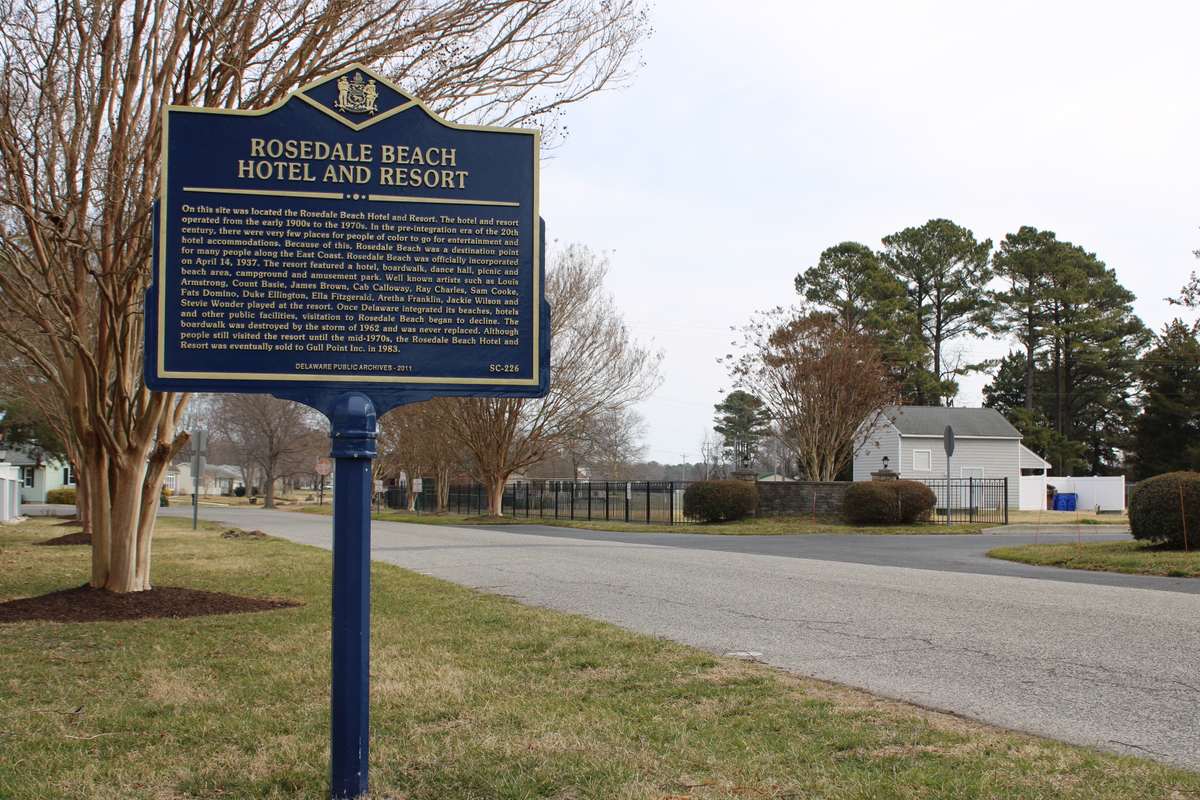
- Rosedale Beach (Indian River) has a one-lane boat ramp and a fishing pier.
- Holts Landing (Indian River Bay) has a one-lane boat ramp and a fishing pier.
- Mulberry Landing, in the Assawoman Wildlife Area on Little Assawoman Bay, has a one-lane boat ramp and no pier, with plenty of access along the bulkhead.
Fishing from the floating courtesy docks at the ramps is not allowed. Motorboats launched from tidal ramps run by the Division of Fish and Wildlife must be registered in Delaware or have a Tidal Access Boat Ramp Certificate. The guide marks each of these ramps as having an ADA accessible courtesy dock, which is there to help with launching and not for fishing. Our fishing piers guide compares piers across the state.
What is biting
DNREC’s weekly report is the best way to learn what is running. We use it only for context. In the October 29, 2026 report, one tackle shop said anglers fishing from the pier at Masseys Landing with sand fleas were catching tautog. The report also said that with rough seas in the ocean and the bay, the fish being caught were mostly in sheltered waters, including Indian River Inlet, the back bays and freshwater. That is the Inland Bays’ main advantage: they stay fishable when the ocean does not.
Regional reports name summer flounder, black sea bass, spot, croaker and spotted seatrout in the bays through the warm months. Those reports are older and vary by year, so check the current report before you go.
Fishing from a pier
The piers let you reach moving water without a boat. A medium spinning rod around 7 to 9 feet will do for most of what comes to a pier here. Use a bottom rig for flounder, spot and croaker, and a sand flea or crab rig for tautog around pilings. Bloodworms, squid and minnows are common baits. Bring a drop net, since a keeper flounder is easy to lose at the rail.
Fish the moving tide. Current brings food past the pilings and gets fish feeding, and slack water is usually slower. A tide table for the bay is worth checking before you leave.
Rules to know
The summary above lists the limits we confirmed. Some of the ones that matter most in the bays:
- Summer flounder. The minimum size is 16 inches through May 31 and 17.5 inches from June 1, with a limit of four a day.
- Spotted seatrout. Twelve inches minimum, with no daily limit.
- Atlantic croaker and spot. Croaker must be eight inches or longer, with a limit of 50. Spot have no size limit and a limit of 50.
- Striped bass. One a day, 28 to 31 inches. When fishing with cut or whole natural bait, you must use a non-offset circle hook.
Tautog and sheepshead limits are not in the table we read, and we could not confirm the tautog season, so we are leaving them out. The Delaware Fishing Guide says new regulations will likely be needed for several tidal species in 2026. Check the current version before you keep fish. A Delaware fishing license is required at 16 unless you are exempt. The rules and license guide has the details.
Shellfish leases
The Delaware Fishing Guide warns anglers and boaters that shellfish aquaculture leasing is underway in the Inland Bays, and it points readers to page 16 for how leases are marked. Leased areas are private bottom used to grow shellfish, so stay clear of marked areas, avoid anchoring or dragging a bait rig through them and read the guide’s description before you boat in unfamiliar water.
Gear that fits the bays
A 7 to 9 foot medium spinning rod with 10 to 15 pound line is a sensible all-round choice. Light line and a sensitive tip help with croaker and spot, and a tip with some give helps a hooked flounder stay on. These are typical setups, not requirements.
A custom rod can be built for the way you fish a pier or a flat, and tuned for a sensitive tip, a light grip and the right length for your boat or your pier. If you tell us where you fish and what you target, we can build the rod around it.
Safety
Shallow water can be deceptively cold, and wind against the tide can push up a steep chop in an open bay. Wear a life jacket in a small boat or kayak. On a pier, watch for wet boards and other anglers’ hooks, and keep children close.
Eating the fish
DNREC’s advisory for Atlantic coastal waters, including the Inland Bays, lists striped bass at 3 meals a year with a star, and bluefish at 12 meals if 20 inches or less and 3 with a star if longer. A star means women who are or may become pregnant or breastfeeding and children should not eat those fish. The summary has the full wording and the date we checked it.
Nearby
For the ocean side, see the Indian River Inlet guide. For the canal that joins Rehoboth Bay to Delaware Bay, see the Lewes and Rehoboth Canal guide.
Fish you can target here
Nearby waters
Delaware Surf Fishing: Permits, Beaches and Gear
Permits, reservations, baits and rods for Delaware's ocean beaches.
Fishing Indian River Inlet: Jetties, Currents and Seasons
Currents, jetties, blues, tog and stripers at Delaware's busiest inlet.
Lewes–Rehoboth Canal and Roosevelt Inlet Fishing
Flounder and sea bass from the canal, inlet and jetties near Lewes.
Delaware Fishing License, Limits and Rules
More fishing guides for Delaware
Frequently asked questions
Which Inland Bays access points have fishing piers? +
The Delaware Fishing Guide lists fishing piers at Masseys Landing, Rosedale Beach and Holts Landing. Mulberry Landing has no pier but plenty of access along the bulkhead.
What are people catching from the pier at Masseys Landing? +
In the DNREC report of October 29, 2026, a tackle shop said anglers fishing from the pier with sand fleas were catching tautog.
Are there shellfish leases in the Inland Bays? +
Yes. The Delaware Fishing Guide says shellfish aquaculture leasing is underway in the Inland Bays and points readers to page 16 for how leases are marked. Stay clear of marked lease areas.
Sources
- 2026 Delaware Fishing Guide (PDF) (accessed November 1, 2026)
- Delaware Fishing Guide: tidal access areas (accessed November 1, 2026)
- Delaware Fishing Guide: tidal limits (accessed November 1, 2026)
- DNREC boating registration (accessed November 1, 2026)
- DNREC fish consumption advisories (accessed November 1, 2026)
- DNREC fishing report (Oct. 29, 2026) (accessed November 1, 2026)
Approximate location: Rehoboth Bay, DE.