
How Indian River Inlet Was Tamed
Last verified:
By BCRods
Quick facts
- Before 1928
- A natural, shifting inlet
- Jetties
- Federal jetties finished in 1939
- Current bridge
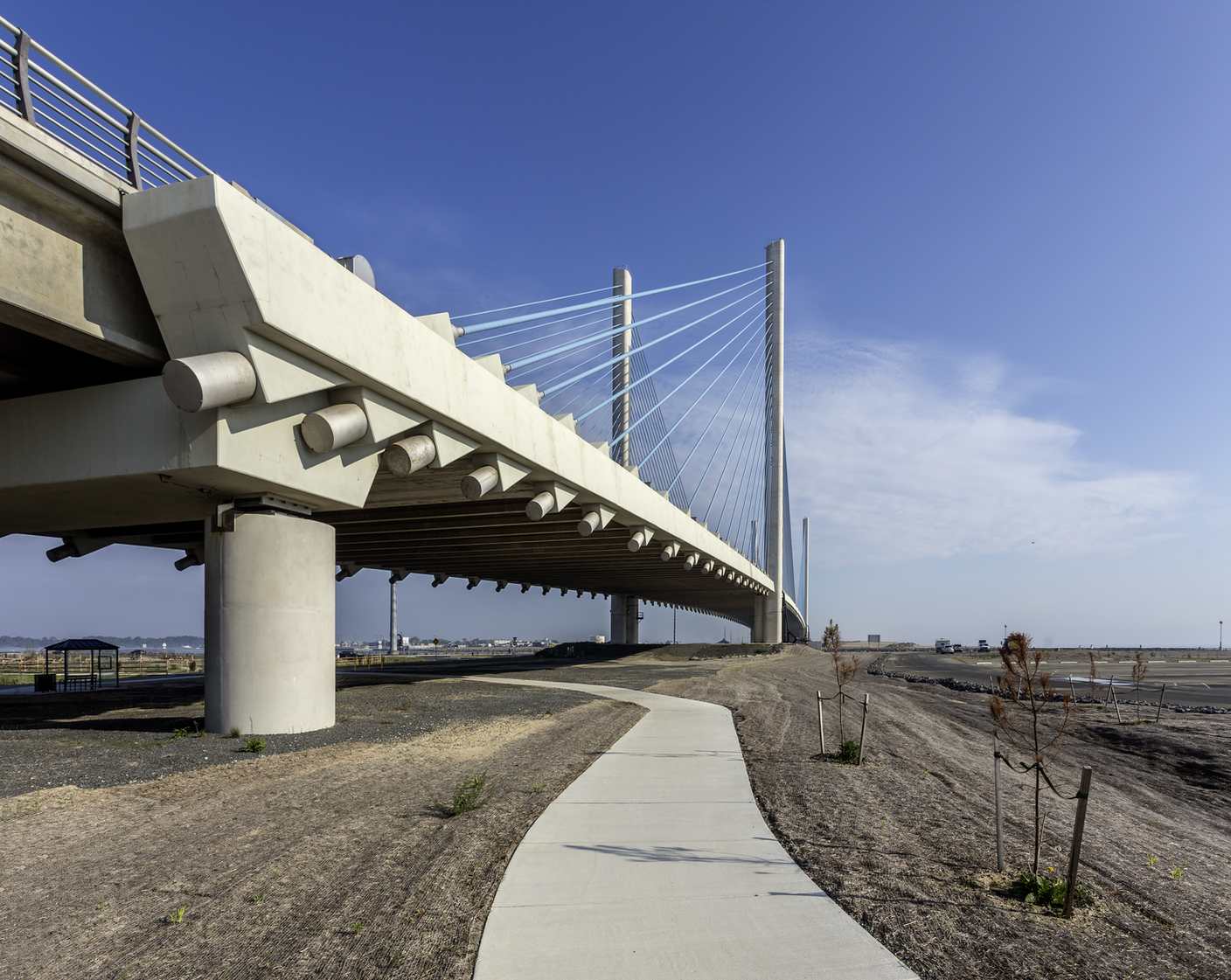
- Charles W. Cullen Bridge, opened 2012
The Indian River Inlet is one of Delaware’s best-known fishing spots, and for a long time it would not stay where anyone put it.
The story
Until 1928, the inlet was a natural waterway that wandered along about two miles of coast. Storms opened it and closed it. Flooding behind the bay and impassable shifting sand made the whole area hard to travel.
Federal jetties, completed in 1939, fixed the inlet where it sits today. The area grew into a seasonal community of campers and fishermen, and eventually into Delaware Seashore State Park. Five bridges have crossed the inlet. The current Charles W. Cullen Bridge opened in 2012.
The work is not finished. Storms still move sand, so DNREC runs a sand bypass system that pumps sand across the inlet to the beach on the other side.
Why it’s remarkable
The rocks anglers fish from today date to 1939, and the inlet is still managed against natural drift. A spot that feels permanent is held in place by engineering.
What we could not confirm
The dates of the earlier bridges rest on State Parks material and press reports, so we do not list them. The inlet’s strong currents are central to its fishing, and reports concentrate around the stone jetties and current seams. We do not say the jetties created the fishery, because that is our inference and not something we have seen documented.
A century of shifting sand
The history of the inlet is a history of people trying to hold it in place. A natural inlet that moves along two miles of coast is a problem for anyone who wants to cross it, launch a boat from it or live behind it. The 1939 jetties solved the first problems, and the area that grew up around them became Delaware Seashore State Park, with banks to fish from, the jetties, and a marina with charters.
The fishing there follows the water. According to a DNREC fishing report from October 2026, bluefish from snapper size to more than ten pounds take metal lures on the incoming tide, and tog, sheepshead and triggerfish take sand fleas and crab baits. Older magazine accounts describe a fall striped bass run and summer flounder, with bucktails drifted or cast on incoming water, live eels fished at night from the jetties, and green crabs or sand fleas used for jetty tog.
Safety on the rocks
The same engineering that makes the inlet fishable makes it demanding. The tidal current is strong, the rocks are slippery, and spray can cause hypothermia. Closures change, and a trade report in September 2026 mentioned an inlet-beach restriction that we did not review, so confirm current closures with DNREC before you go.
Fishing the water
The Indian River Inlet guide covers access, rules and tackle. The current is strong and the rocks are slippery, so take both seriously.
For the full records list and the other stories, see the Delaware Dock Tales index.
The water behind the story
More fishing guides for Delaware
Sources
- DNREC Indian River Inlet sand bypass system (accessed November 1, 2026)
- Delaware State Parks: Delaware Seashore (accessed November 1, 2026)