
Black Drum Fishing in Delaware
Last verified:
By BCRods
Quick facts
- Season
- All year
- Size
- 16 in minimum
- Limit
- 3 a day
- Run
- May and June in Delaware Bay, mostly at night
- State record
- 115 lb (1978), as listed by DNREC
- Stock
- Not overfished (ASMFC 2023)
- Night fishing
- Electric lights allowed with restrictions; call 302-739-9914
Rules snapshot
Black drum (tidal)
Minimum size 16 inches. 3 a day. · Delaware Fishing Guide, tidal limits (updated Sept. 23, 2026), checked November 1, 2026
This is not legal advice. Rules change, so confirm with the state agency before you fish.
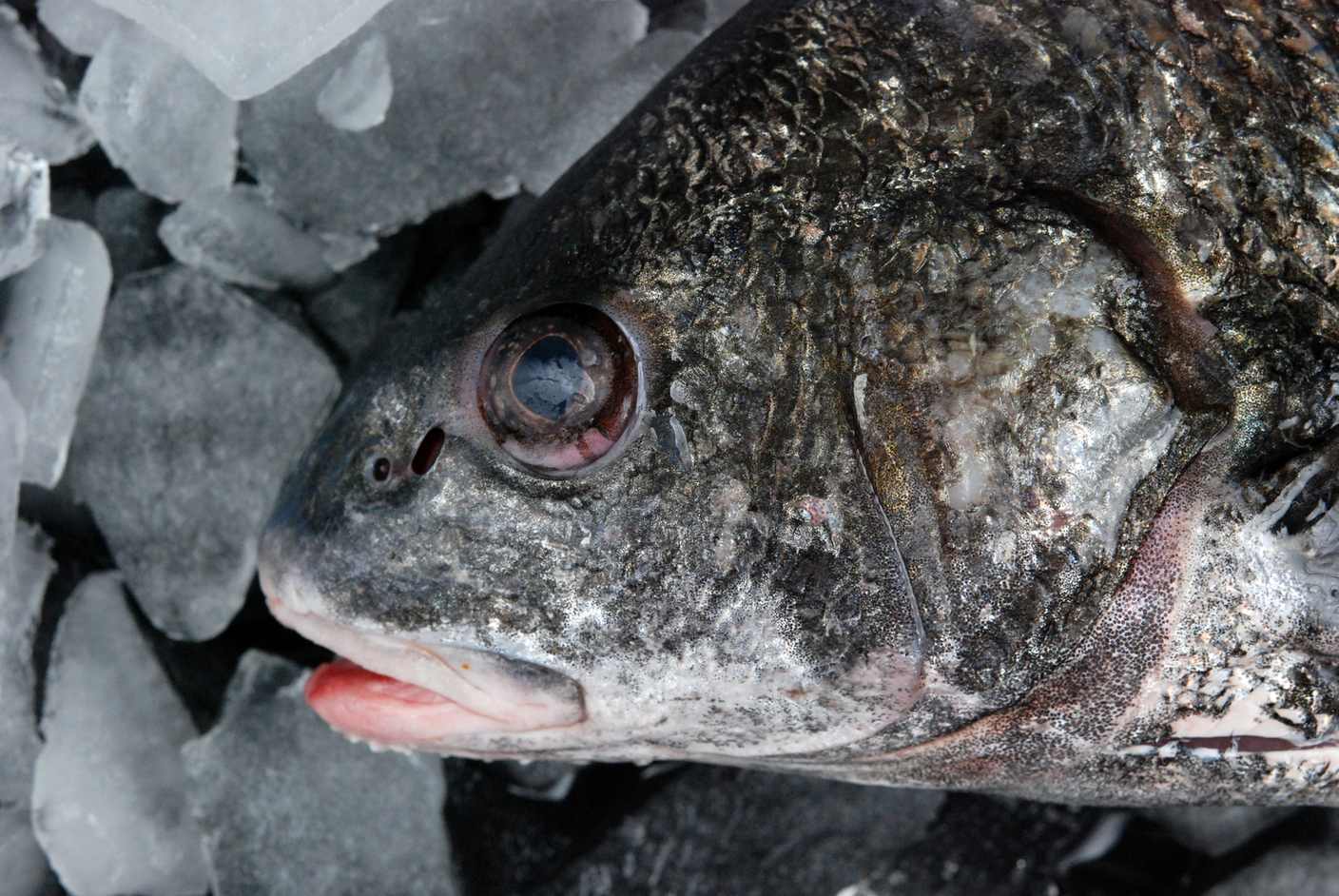
Black drum run into Delaware Bay in late spring, and the fishing is mostly at night from boats. This is a short guide to the Delaware rule and where anglers find them. For how to catch them, see the black drum how-to guide.
The rule
The rules snapshot above shows the rule with the date we checked it. In tidal water the season is open all year, the minimum size is 16 inches and the daily limit is 3. Check the Delaware Fishing Guide before you keep one.
Where to fish in Delaware
The Delaware Bay’s open water and shoals are the main water, and boats are the usual way to reach them. See the Delaware Bay boat guide. The May and June run of large fish happens mostly after dark, and boats leave Lewes and Slaughter Beach before sundown. Surf opportunities exist, but our research file describes them mostly for Maryland and Delaware beaches in general.
Delaware’s world-record drum is the subject of our record black drum tale.
Seasons and timing
The May to June run is the main window. In summer smaller fish remain, with little targeted fishing, and in winter few fish are in northern waters.
Rods and tackle
A heavy 7 to 8 foot boat rod or a heavy surf rod in the 30 pound class, with a 6000 size or larger reel and 40 to 80 pound braid, is typical, with a 50 to 80 pound leader. Clam is the standard spring bait, and crab and shrimp also work. Lures are rarely used. Fish anchored on the bottom with a fish-finder rig on calm nights and a moving tide. These are typical choices, not requirements.
Safety
Night boating needs lights, life jackets and good judgment about the weather.
How the fishery is managed
ASMFC’s 2023 benchmark assessment found that black drum are not overfished and overfishing is not occurring, and spawning biomass has been increasing. The commission’s management plan requires states to set a maximum possession limit and a minimum size of no less than 14 inches. Delaware’s rule is a 16 inch minimum and a daily limit of 3, listed in the tidal table that was last updated on September 23, 2026 when we read it. ASMFC says its indicators will not be updated again until fall 2026, so the status could be revised soon.
State record
DNREC’s records page lists a black drum of 115 pounds caught by Kenneth Smith in 1978, with no length, location or method. Our record black drum tale describes a different entry: a 113 pound fish from Delaware Bay in September 1975 that is an IGFA all-tackle world record. We have not reconciled the two entries, so read the tale for that story and the DNREC list for the state record. To replace a record under 25 pounds a fish must weigh at least 2 ounces more, and for a record of 25 pounds or more the new fish must beat it by at least one-half of one percent, which for a 115 pound record is about 9 ounces. DNREC staff must approve the catch. If staff are not available at the weigh-in, the angler must save the whole fish for examination. The reel must be operated manually by the angler.
Fishing at night
Most Delaware Bay drum fishing is after dark. Delaware allows electric lights for recreational fishing in tidal waters with certain restrictions, and its guide tells anglers to call the Fisheries office at 302-739-9914 for details, so check before you fish with lights. Boats need their own navigation lights and life jackets. Fishing or crabbing from the floating courtesy docks at boat ramps is not allowed, so launch and then anchor on the water.
License and registration
The Delaware recreational fishing license covers recreational fishing, crabbing and clamming in all Delaware waters, including the bay. Anglers 16 and older need the free Fisherman Information Network number each year. A resident boat fishing license is a separate license for a boat. See our Delaware rules guide for the fee table, and our Delaware Bay boat guide for the bay.
Planning a bay trip
DNREC’s tidal fishing access list, last updated June 15, 2026 when we read it, numbers 35 access areas with ramp, pier and shoreline details. DNREC cautions that boat ramp fees or permits may apply, and that municipal ramps may need separate permits, so check before you tow a boat to the bay shore. Our Delaware Bay shore guide covers the beaches and piers on the Delaware side of the bay.
New to this fish? Read How to Catch Black Drum: Gear, Bait and Technique.
Where to fish for it in Delaware
More fishing guides for Delaware
Frequently asked questions
When do black drum run in Delaware Bay? +
The main window is May and June, and the fishing is mostly after dark from boats.
Sources
- Delaware Fishing Guide: tidal seasons, size and creel limits (updated Sept. 23, 2026) (accessed November 2, 2026)
- DNREC state records (accessed November 2, 2026)
- DNREC Sport Fishing Tournament rules (record certification) (accessed November 2, 2026)
- Delaware Fishing Guide: tidal fishing regulations (accessed November 2, 2026)
- Delaware Fishing Guide: tidal fishing access areas (June 15, 2026) (accessed November 2, 2026)
- ASMFC: black drum (accessed November 2, 2026)