
Delaware Bay Shore: Woodland Beach to Broadkill Beach
Last verified:
By BCRods
Quick facts
- Piers
- Woodland Beach (bayside), Port Mahon, Collins Beach
- Boat ramps
- Woodland Beach (creekside), Port Mahon, Bowers Beach, Cedar Creek, Collins Beach, Lewes
- Striped bass
- 28 to 31 inches, one a day; 20 to 24 inches in July and August in the bay and river
- Summer flounder
- 16 inches through May 31, 17.5 inches from June 1; four a day
- Rod fit
- 7 to 9 foot medium to medium-heavy spinning
Rules snapshot
Public access on the Delaware Bay shore
Woodland Beach (bayside): fishing pier, no boat ramp. Woodland Beach (creekside, Duck Creek): boat ramp (2 lanes), no pier. Port Mahon: fishing pier before the boat ramp, boat ramp (2 lanes). Bowers Beach: boat ramp (4 lanes), no pier. Cedar Creek: boat ramp (8 lanes), no pier. Collins Beach: boat ramp (3 lanes) and fishing pier. Lewes: boat ramp (6 lanes), no pier. Courtesy docks are for launching, not fishing. · 2026 Delaware Fishing Guide, tidal access areas, checked November 1, 2026
Shared Delaware River and Bay waters
Delaware has no fishing license reciprocity with other states. You need a Delaware license to fish, crab or clam in Delaware, and a free Delaware FIN number, because federal and other states' FIN numbers are not recognized. The guide says you must also have a New Jersey FIN number to fish New Jersey waters of Delaware Bay. It does not say where the state line falls on the river, so check the neighboring state's rules. · 2026 Delaware Fishing Guide (PDF), checked November 1, 2026
Striped bass (tidal)
1 fish a day. Size 28 to 31 inches, except 20 to 24 inches only from July 1 to August 31 in Delaware Bay, the Delaware River and their tributaries. Catch and release only on the spawning grounds from April 1 to May 31. The guide notes changes may be needed for some species. · Delaware Fishing Guide, tidal limits (updated Sept. 23, 2026), checked November 1, 2026
Hooks for striped bass with natural bait
Non-offset circle hooks are required when fishing for striped bass with cut or whole natural baits such as clams, squid, mackerel, menhaden, sea worms or eels. · 2026 Delaware Fishing Guide (PDF), checked November 1, 2026
Striped bass spawning season
From April 1 through May 31, striped bass may be caught and released only, with no harvest, in the Nanticoke River and its tributaries; the Delaware River and its tributaries north of a line due east from the south jetty at the mouth of the C&D Canal; and the C&D Canal and its tributaries. · 2026 Delaware Fishing Guide (PDF), checked November 1, 2026
Summer flounder (tidal)
4 a day. Minimum size 16 inches from January 1 to May 31 and 17.5 inches from June 1 to December 31. · Delaware Fishing Guide, tidal limits (updated Sept. 23, 2026), checked November 1, 2026
White perch (tidal)
Minimum size 8 inches. No daily limit. · Delaware Fishing Guide, tidal limits (updated Sept. 23, 2026), checked November 1, 2026
Atlantic croaker and spot (tidal)
Atlantic croaker: minimum size 8 inches, 50 a day. Spot: no size limit, 50 a day. · Delaware Fishing Guide, tidal limits (updated Sept. 23, 2026), checked November 1, 2026
Catfish, any species (tidal)
No size limit and no daily limit. · Delaware Fishing Guide, tidal limits (updated Sept. 23, 2026), checked November 1, 2026
Snakehead, blue catfish and other invasive fish
It is unlawful to transport, purchase, possess or sell live walking catfish, white amur (grass carp), northern or blotched snakehead, blue catfish or flathead catfish without the written permission of the Director. The guide says that if you catch a northern snakehead, blue catfish or flathead catfish, do not return it to the water: kill it and contact DNRECFisheries@delaware.gov or 302-739-9914. · 2026 Delaware Fishing Guide (PDF), checked November 1, 2026
Tidal boat ramps
Motorboats launched from tidal access areas run by the Division of Fish and Wildlife must be registered in Delaware or have a valid Tidal Access Boat Ramp Certificate, which cost $35 when we checked. Fishing, crabbing or swimming from the floating courtesy docks at Division boat ramps is prohibited unless posted otherwise. · DNREC boating registration, checked November 1, 2026
Delaware fishing license fees
Resident (ages 16 to 64): $8.50 a year. Non-resident (age 16 and over): $20.00 a year, or $12.50 for seven consecutive days. One license covers both fresh and tidal waters and is good for the calendar year. · DNREC license fees, checked November 1, 2026
Who does not need a fishing license
Delaware residents 65 and older (with proof of age and residency) and anyone under 16 are exempt from the license. Anglers 16 and older need a free FIN number, and exempt anglers may need to apply for one separately. · DNREC exemptions, checked November 1, 2026
Fish consumption advisory: Delaware River and C&D Canal
Meals a year (8-ounce adult serving): Delaware River from the state line to the C&D Canal, all finfish 3*. C&D Canal, all finfish 1. Lower Delaware River and Delaware Bay (C&D Canal to the Bay mouth): striped bass, channel catfish, white catfish and American eel 3*; white perch 6; bluefish 20 inches or less 12; bluefish over 20 inches 3*. *Women who are or may become pregnant or breastfeeding and children should not eat these fish. · DNREC fish consumption advisories, checked November 1, 2026
This is not legal advice. Rules change, so confirm with the state agency before you fish.
Delaware Bay’s western shore is a string of small public access points, tidal creeks and fishing piers, and for many anglers it is a practical way to fish salt water without a boat. This guide covers the public access areas listed in the Delaware Fishing Guide, the rules that matter on the bay, what DNREC’s recent reports say is biting and how to set up for pier and shore fishing.
Access points on the bay shore
The summary above lists each area with its facilities, as printed in the Delaware Fishing Guide.
- Woodland Beach, bayside has a fishing pier and no boat ramp. The creekside access, on Duck Creek, has a two-lane boat ramp and no pier.
- Port Mahon has a fishing pier located before the boat ramp, and a two-lane boat ramp.
- Bowers Beach has a four-lane boat ramp and no pier.
- Cedar Creek has an eight-lane boat ramp and no pier.
- Collins Beach has a three-lane boat ramp and a fishing pier.
- Lewes has a six-lane boat ramp and no pier.
Fishing from the floating courtesy docks at these ramps is not allowed unless posted otherwise. Motorboats launched from tidal access areas run by the Division of Fish and Wildlife must be registered in Delaware or have a Tidal Access Boat Ramp Certificate. The guide notes that shoreline access depends on your own mobility and recommends visiting a site first. We are not listing access points that the guide does not list, such as small beach accesses, because we could not confirm their facilities.
What is biting
DNREC publishes a weekly fishing report, and it is the best way to find out what is happening now. We use it only for context. In the October 29, 2026 report, a tackle shop in Leipsic said striped bass in the 24 to 27 inch range, with a few reaching the 28 to 31 inch slot, were being caught from tidal creeks and rivers on bloodworms and shrimp. White perch were in the same places on the same baits. Another shop said white perch and catfish were available along the shoreline from Augustine Beach to Woodland Beach, with bloodworms for perch and cut bait for catfish. The same report noted rough seas on the bay because of a northeast wind.
Reports like these change from week to week. Use them to choose a bait and a stretch of shore, and then adjust to what you see.
Rules to know
The summary above shows the limits and rules we confirmed. The ones that matter most for a day on the bay shore:
- Striped bass. The tidal slot is 28 to 31 inches with a limit of one a day, except that from July 1 through August 31 the slot in Delaware Bay, the Delaware River and their tributaries is 20 to 24 inches. The catch and release only spawning season, April 1 through May 31, applies to the Nanticoke, the Delaware River above the C&D Canal south jetty line and the C&D Canal, so check the summary to see where you are fishing. When fishing for striped bass with cut or whole natural bait, including sea worms such as bloodworms, you must use a non-offset circle hook.
- Summer flounder. The minimum size is 16 inches through May 31 and 17.5 inches from June 1, with a limit of four a day.
- White perch. Eight inches or longer, with no daily limit.
- Atlantic croaker. Eight inches or longer, with a limit of 50.
- Catfish. No size or daily limit in tidal water. Blue and flathead catfish are invasive and must not be returned to the water.
The guide says changes to tidal species rules are expected, so always check the current version. A Delaware license is required at 16, and there is no reciprocity with other states. If you fish New Jersey waters of Delaware Bay, you also need a New Jersey FIN number. The rules and license guide has the details.
Fishing from a pier or the shore
A medium to medium-heavy spinning rod around 7 to 9 feet is a good all-round choice for the bay shore. It casts a bottom rig well clear of pier pilings and handles the size of fish you are likely to meet, from perch to a keeper-size striped bass. Light line suits perch, and 15 to 20 pound line is common for stripers and catfish. These are typical setups, not requirements.
A simple bottom rig does most of the work: a fish-finder or sliding sinker rig, a leader of 18 to 24 inches and a hook sized to the bait. Bloodworms, peeler crab, shrimp and cut bait are all used on the bay. Tide matters because current moves bait and fish, so check the tide table and try to fish around a change in the tide. Piers can be crowded and rough in wind, so bring rod holders, extra weights and a net.
A custom rod built for pier work can improve the day, particularly one with the length to cast over the rail and the sensitivity to feel a perch bite on a long line. If you tell us where you fish and what you target, we can build the rod around it.
Boat anglers
The ramps on the bay shore give small boats a way onto the water, but Delaware Bay is large and exposed. Wind, tide and shoaling can change quickly. Check the marine forecast for the bay, keep a life jacket on and avoid launching when a strong northeast wind is blowing. Our bay boat fishing guide covers open-water fishing in more detail.
Safety
Piers can be slippery and crowded. Watch your footing and your hooks, and keep children close. Wind and cold can combine with spray to lower body temperature quickly in fall and spring. Dress in layers and stay dry.
Eating the fish
DNREC’s advisories for the lower Delaware River and Delaware Bay list striped bass, channel and white catfish and American eel at 3 meals a year, white perch at 6, and bluefish at 12 meals if 20 inches or less and 3 if longer. A star means that women who are or may become pregnant or breastfeeding and children should not eat those fish. The rules summary has the full wording and the date we checked it.
For the northern shore, see the Delaware River and C&D Canal guide, and for piers elsewhere in Delaware, the fishing piers guide.
Fish you can target here
Nearby waters
Delaware Fishing License, Limits and Rules
More fishing guides for Delaware
Frequently asked questions
Which Delaware Bay access points have fishing piers? +
The Delaware Fishing Guide lists fishing piers at Woodland Beach (bayside), Port Mahon and Collins Beach. Bowers Beach, Cedar Creek and Lewes have boat ramps and no piers.
Do I need a circle hook for striped bass? +
Yes, when fishing with cut or whole natural baits such as clams, squid, mackerel, menhaden, sea worms or eels. The hook must be a non-offset circle hook.
Sources
- 2026 Delaware Fishing Guide (PDF) (accessed November 1, 2026)
- Delaware Fishing Guide: tidal access areas (accessed November 1, 2026)
- Delaware Fishing Guide: tidal limits (accessed November 1, 2026)
- DNREC boating registration (accessed November 1, 2026)
- DNREC fish consumption advisories (accessed November 1, 2026)
- DNREC fishing report (Oct. 29, 2026) (accessed November 1, 2026)
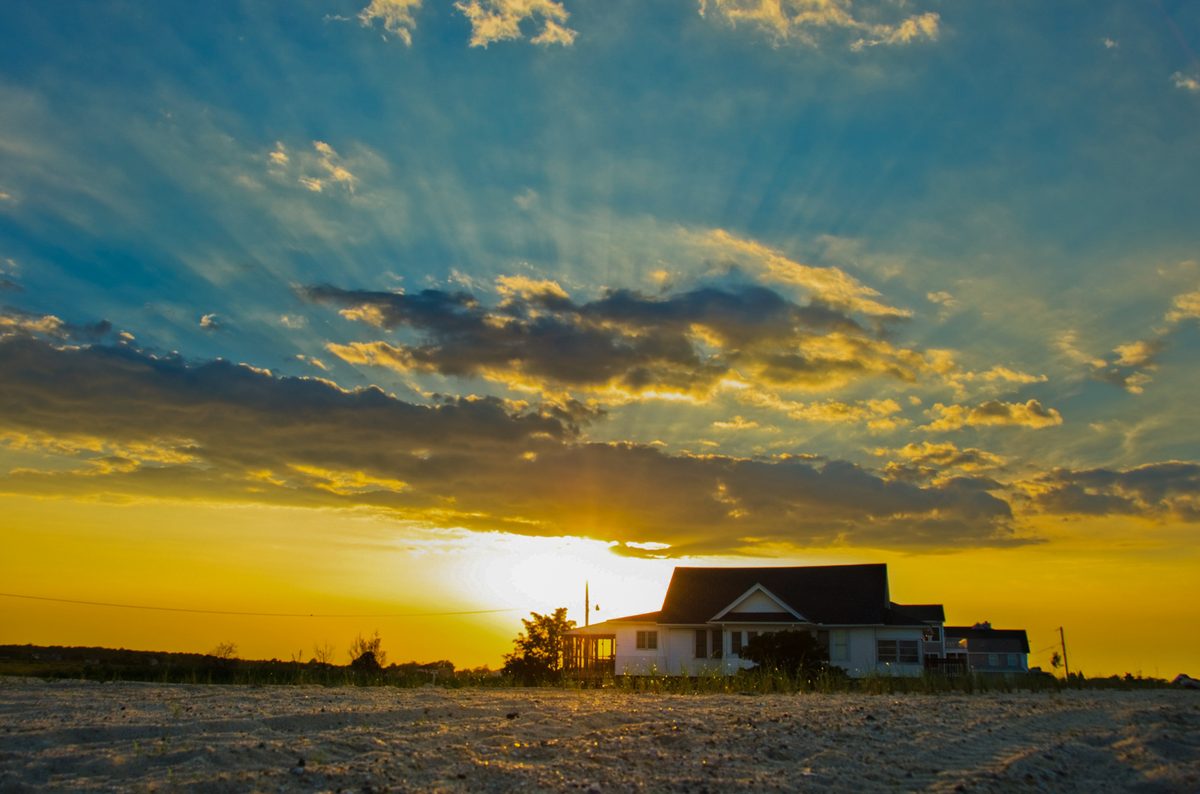
Approximate location: Slaughter Beach, DE.