
The Record Black Drum Nobody Expected
Last verified:
By BCRods
Quick facts
- State record
- 115 lb black drum, Kenneth Smith, 1978
- Water
- Delaware Bay
- Unconfirmed
- 113 lb 1975 world-record account
On September 15, 1975, Gerald Townsend launched a 12-foot boat on Delaware Bay and headed toward Cape Henlopen for an afternoon of fishing with his wife. About thirty minutes into a hard fight, he landed a black drum that weighed 113 pounds, 1 ounce. Recent fishing-magazine sources still cite it as the IGFA all-tackle world record for the species.
The story
Black drum are usually a spring fish. The big ones gather in Delaware Bay in May and June, and by September most boats have moved on to other targets. Townsend’s fish came in the fall, months after the run, which is why The Fisherman describes it as bycatch: a hookup nobody was planning for. He later credited a Penn Squidder reel and a Hatteras Heaver surf rod.
Accounts differ on exactly where the fish came from. Some say the tip of Cape Henlopen, some say off Lewes, and some say only “Delaware Bay.” The 12-foot boat is the part every version agrees on.
Why it’s remarkable
If the IGFA record stands as reported, this is the largest black drum anyone has recognized anywhere. It is also not Delaware’s state record. DNREC lists the state mark at 115 pounds, caught by Kenneth Smith in 1978, two pounds heavier. A secondary source places that fish in Delaware Bay in May. We could not find an explanation for why the two records differ, and we do not guess.
What we could not confirm
This story comes from two magazine sources, The Fisherman and Sport Fishing, which quote the IGFA record. We have not seen the IGFA’s own database entry. The 1975 date, the gear credit and the location wording all rest on those secondary accounts, so treat them as reported and not verified.
The water behind the record
Delaware Bay is where the biggest black drum gather each spring, and the fishery has a rhythm. The drum run is May and June, and most of the fishing happens at night, from boats that leave Lewes or Slaughter Beach before sundown. Anglers use heavy 30-pound-class tackle and clam bait on the shoals, which sit well offshore, so marine forecasts and NOAA tide tables matter. Today the Delaware rule for black drum is a 16-inch minimum and three fish per day.
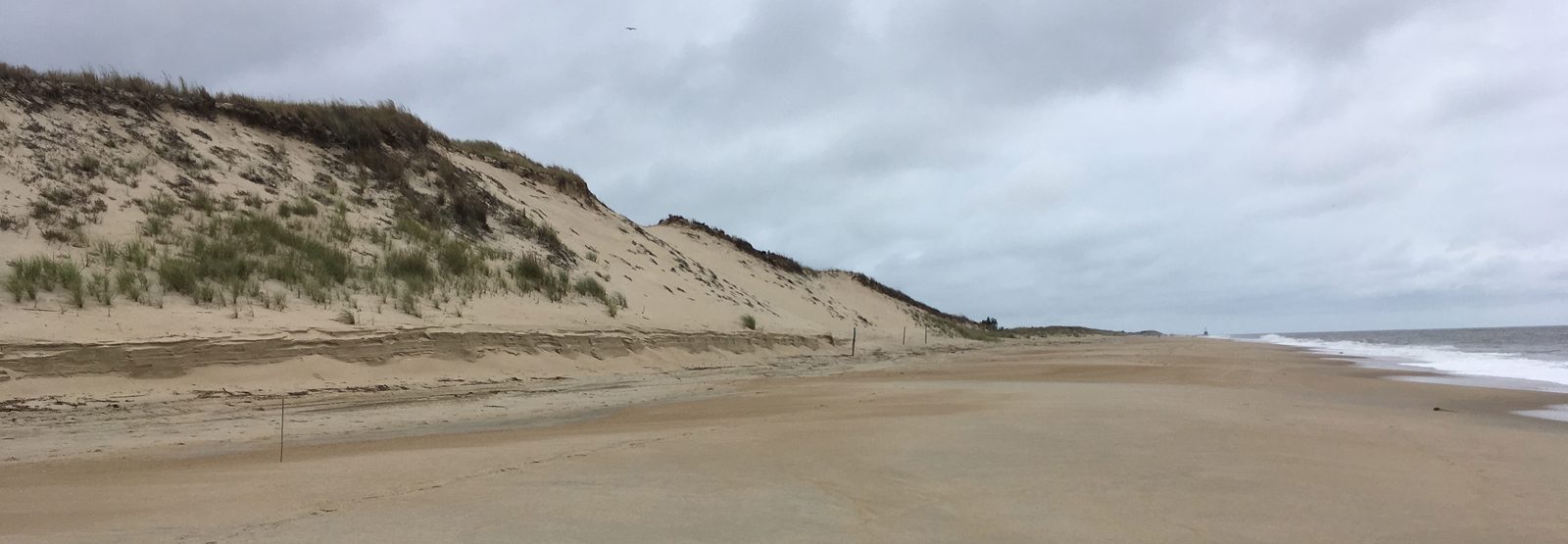
Cape Henlopen, the landmark in most versions of Townsend’s story, is where the bay meets the Atlantic. The state park there has a quarter-mile fishing pier on the bay side with a bait-and-tackle concession, and drive-on surf beaches that need a permit. Reports from the pier name spot, croaker, small bluefish and flounder, and one report says high tide is the only time to fish it.
What the two records tell us
A world record and a state record that disagree are a reminder that records are paperwork as well as fish. One list is kept by the IGFA and the other by DNREC. We have not seen the paperwork behind either one, so we cannot say why the numbers differ. What both lists agree on is that Delaware Bay produces black drum of a size almost no other water does.
Fishing the water
Delaware Bay is where the biggest black drum gather each spring. The Delaware Bay boat fishing guide covers where and how people fish it, and the Cape Henlopen pier and surf guide covers the shore side. A record fish does not predict your next trip.
For the full records list and the other stories, see the Delaware Dock Tales index.
The water behind the story
More fishing guides for Delaware
Sources
- DNREC state records (accessed November 1, 2026)