
Blue Catfish Fishing in Delaware
Last verified:
By BCRods
Quick facts
- Limit
- No size or daily limit in tidal water
- Live fish
- Unlawful to possess a live blue catfish
- Water
- Nanticoke River, Delaware River
- Record
- 53 lb, Nanticoke
- State record
- 53 lb (2023)
- Report
- Date, location and photo to DNRECFisheries@Delaware.gov
- Snakehead
- No season, size or creel limit
Rules snapshot
Catfish, any species (tidal)
No size limit and no daily limit. · Delaware Fishing Guide, tidal limits (updated Sept. 23, 2026), checked November 1, 2026
Snakehead, blue catfish and other invasive fish
It is unlawful to transport, purchase, possess or sell live walking catfish, white amur (grass carp), northern or blotched snakehead, blue catfish or flathead catfish without the written permission of the Director. The guide says that if you catch a northern snakehead, blue catfish or flathead catfish, do not return it to the water: kill it and contact DNRECFisheries@delaware.gov or 302-739-9914. · 2026 Delaware Fishing Guide (PDF), checked November 1, 2026
This is not legal advice. Rules change, so confirm with the state agency before you fish.
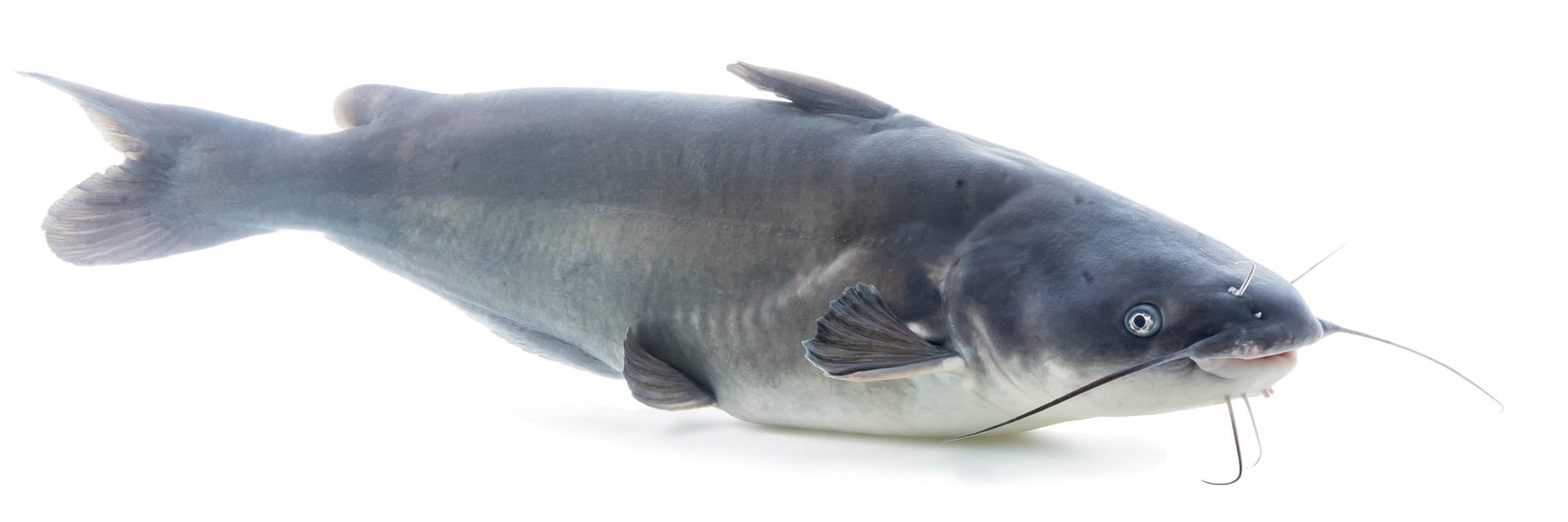
Blue catfish are an invasive fish in Delaware’s tidal rivers, and the rule about them is unusual: you may not keep one alive. This guide covers that rule and where anglers fish for them. For how to catch them, see the blue catfish how-to guide.
The rule
The rules snapshot above shows the rules with the dates we checked them. In tidal water there is no size limit and no daily limit. It is unlawful to transport, purchase, possess or sell a live blue catfish, flathead catfish, northern snakehead and some other invasive fish without the written permission of the Director. The Delaware Fishing Guide says that if you catch a blue catfish, flathead catfish or northern snakehead, do not return it to the water: kill it, and contact DNREC at the number in the guide.
Where to fish in Delaware
Nanticoke River. Blue catfish here are common and large, and cut bunker and any cut bait work, according to DNREC in October 2026. See the Nanticoke River guide. The river is also the source of the state record, 53 pounds, which is part of our Nanticoke records tale.
Delaware River and the C&D Canal. Anglers fish the bank along the channels. See the Delaware River guide.
Seasons and timing
Blue catfish are active year-round. In spring they move into shallower areas and in summer they feed at night and in the evening. Fall brings feeding-up before winter, and trophy fish feed in the deeper channels in winter.
Rods and tackle
A 7 to 8 foot heavy conventional or heavy spinning rod with a 4000 to 6000 size reel and 50 pound braid or heavy mono is typical. Anchor and fish cut bait on a sliding-sinker rig on moving water, in deep holes and in the evening. Heavy gloves, lip grippers and a big net help with large fish. These are typical choices, not requirements.
Eating the fish
The Nanticoke is not named in DNREC’s advisory table, so the default applies, and the Delaware River has stricter advisories. See our Delaware rules guide for the advisory values we checked, and check the current advisory before you keep fish.
Reporting what you catch
DNREC lists the northern snakehead, flathead catfish and blue catfish among the invasive aquatic species in Delaware waters. If you catch one, DNREC asks you to report the date, a specific location and a photo that confirms the species. You can use the Invasive Fish Tracker on the DNREC site, email DNRECFisheries@Delaware.gov, or call the Fisheries Section at 302-735-2966 or 302-739-9914 on weekdays between 8 a.m. and 4:30 p.m. The numbers can change, so check the DNREC invasive species page. DNREC also uses low-frequency electrofishing from a 14 foot boat to target invasive catfish on tidal rivers and ponds. Electrofishing is allowed only for permitted researchers in Delaware, so it is not something an angler can do.
Related rules
The tidal table lists catfish of any species with no size limit and no daily limit. You still may not possess a live blue catfish or flathead catfish without written permission, and you may not stock any live fish in public water without written authorization from the Division. In non-tidal waters, snagging is prohibited, nets are prohibited except a dip net to land a hooked fish, and each angler may use no more than two rods with no more than three hooks or lures on each. Those limits come from DNREC’s freshwater gamefish page, so check them before you fish a pond or stream above the tidal limit.
Snakeheads often turn up in the same waters. DNREC says snakeheads have invaded the Delaware and Nanticoke river systems and their tributaries, and it encourages anyone who catches one to kill it and tell the Division. There is no season, creel or size limit for northern snakehead, and bowfishing, spear and hook and line are allowed except on Division of Parks and Recreation property or where a local ordinance says otherwise.
State record
DNREC’s records page lists a freshwater blue catfish of 53 pounds caught by Sydney McBroom in 2023. The page gives no length, location or method, and the Nanticoke location comes from DNREC’s release on the catch, which we read only as a summary. For the story of the river, see our Nanticoke records tale. A new record under 25 pounds must beat the old one by 2 ounces. For 25 pounds or more, it must beat it by at least one-half of one percent, which for a 53 pound record is about 4 ounces.
New to this fish? Read How to Catch Blue Catfish: Gear, Bait and Technique.
Where to fish for it in Delaware
More fishing guides for Delaware
Frequently asked questions
Can I release a blue catfish in Delaware? +
No. The Delaware Fishing Guide says to kill a blue catfish, flathead catfish or northern snakehead you catch, and not return it to the water.
Sources
- Delaware Fishing Guide: tidal seasons, size and creel limits (updated Sept. 23, 2026) (accessed November 2, 2026)
- 2026 Delaware Fishing Guide (PDF) (accessed November 2, 2026)
- DNREC state records (accessed November 2, 2026)
- DNREC Sport Fishing Tournament rules (record certification) (accessed November 2, 2026)
- DNREC invasive aquatic species (accessed November 2, 2026)
- DNREC snakehead angler alert (accessed November 2, 2026)
- DNREC gamefish and freshwater restrictions (accessed November 2, 2026)