Smallmouth Bass Fishing in Virginia: Rivers and Slots
Last verified:
By BCRods
Quick facts
- James
- No bass 14 to 22 inches; one over 22
- Shenandoah
- No bass 11 to 14 inches, all three forks
- New River
- No bass 14 to 22 inches; one over 22
- Daily limit
- Five black bass combined, statewide
Rules snapshot
Black bass limits, statewide
Largemouth and smallmouth bass: five a day combined, with no statewide length limit. Spotted and Alabama bass have no daily or length limit. Many lakes and rivers have their own bass rules, listed on this page by water. · 2026 Virginia Freshwater Fishing & Boating digest, checked November 1, 2026
James River bass rule (Fall Line reach)
From the Jackson and Cowpasture confluence in Botetourt County downstream to the 14th Street Bridge in Richmond: no largemouth or smallmouth bass 14 to 22 inches, and only one a day longer than 22 inches. · 2026 Virginia Freshwater Fishing & Boating digest, checked November 1, 2026
Shenandoah River bass rule
North Fork, South Fork and mainstem Shenandoah: no largemouth or smallmouth bass 11 to 14 inches. · 2026 Virginia Freshwater Fishing & Boating digest, checked November 1, 2026
New River bass rule
Fields Dam in Grayson County downstream to the Virginia and West Virginia line, plus the lower Little River, Big Walker Creek and Wolf Creek: no largemouth or smallmouth bass 14 to 22 inches, and only one a day longer than 22 inches. Claytor Lake follows its own rules (no smallmouth under 14 inches). · 2026 Virginia Freshwater Fishing & Boating digest, checked November 1, 2026
Black bass rules on the big lakes
Buggs Island (Kerr), Lake Gaston, Smith Mountain Lake and its tributaries below Niagara Dam: only 2 of your 5 bass may be under 14 inches. Lake Moomaw: no bass under 12 inches. · 2026 Virginia Freshwater Fishing & Boating digest, checked November 1, 2026
This is not legal advice. Rules change, so confirm with the state agency before you fish.
Rules: Virginia DWR (freshwater)
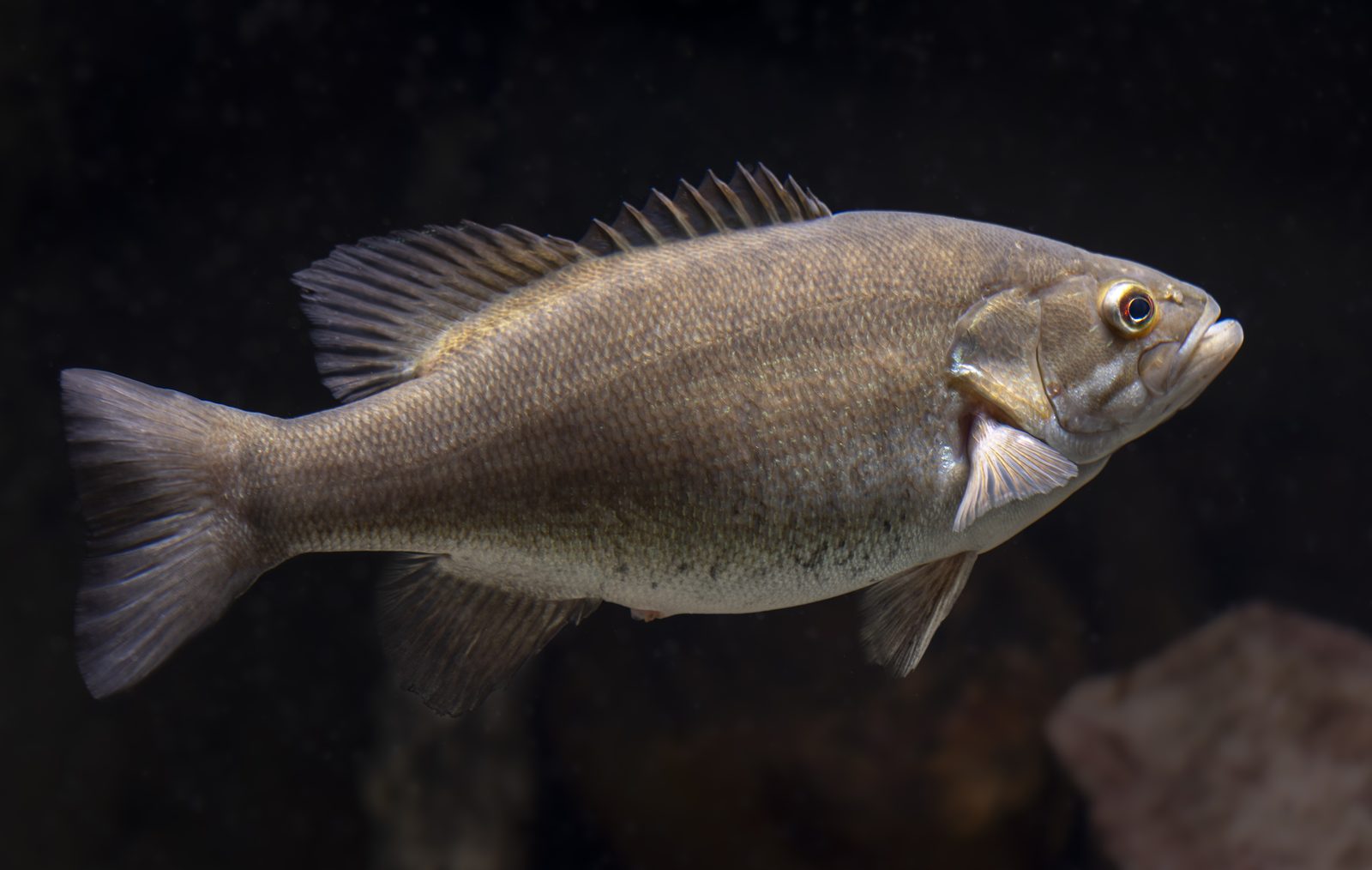
Virginia is one of the best-supported smallmouth states in this guide. Its big free-flowing rivers, the James, the Shenandoah and its forks, the New River and the Jackson below Lake Moomaw, all hold smallmouth, and the Virginia Department of Wildlife Resources (DWR) publishes catch-rate and rule information for most of them. This page covers only what is specific to Virginia: the rule on each river, where each fishery stands, and how local conditions change the approach. For the general how-to, see how to catch smallmouth bass.
The Virginia rules, river by river
Statewide, Virginia allows five largemouth and smallmouth bass a day in total, with no statewide length limit. The important point is that the big rivers have protected slots, and the slots are different on each river. The rules snapshot above quotes the printed 2026 digest, and the differences are worth memorizing before you keep a fish.
- James River, from the Jackson and Cowpasture junction to the 14th Street Bridge in Richmond: no bass 14 to 22 inches, and only one a day longer than 22 inches.
- Shenandoah River, North Fork, South Fork and main stem: no bass 11 to 14 inches.
- New River, from Fields Dam to the West Virginia line: no bass 14 to 22 inches, and only one a day longer than 22 inches. Claytor Lake follows its own rule, no smallmouth under 14 inches.
- Lakes: at Smith Mountain Lake, Buggs Island and Lake Gaston, only two of your five bass may be under 14 inches. Lake Moomaw allows no bass under 12 inches.
Slot limits protect middle-size fish. A 15-inch James River smallmouth must go back, while a 12-inch Shenandoah fish may be kept and a 13-inch one may not. Measure total length with the mouth closed.
Where the fishing stands
Shenandoah. DWR says the South Fork has some of the highest smallmouth densities in the state and calls it a numbers fishery, with catch rates up to three fish an hour and occasional fish near 20 inches. The North Fork averages about 1.2 an hour and the main stem about two an hour, with better growth and larger fish in the main stem. DWR counts more than one fish an hour as very good. Floods and droughts control year-class strength more than angler harvest does, since harvest is low. See the Shenandoah guide.
James. DWR describes smallmouth as the most common game species in the non-tidal James, good in both the mountain sections upstream of Lynchburg and the piedmont sections between Lynchburg and Richmond, though abundance varies by section. A DWR management report from 2023 describes weak spawning in several recent years, so check the current report before planning a trip around numbers. See the James River guide.
New River. DWR’s rivers material calls the New a world-class smallmouth river and links several state records to it. Trophy fish are most often caught in March through May and again from July through September. See the New River guide.
Jackson and Smith Mountain. Smallmouth also live in the Jackson River below Gathright Dam alongside the wild trout, and in the lower part of Smith Mountain Lake. They are secondary fisheries at both, so see the Jackson River guide and the Smith Mountain Lake guide.
How Virginia conditions change the approach
DWR’s guidance for the Shenandoah is to fish the faster water directly below riffles and ledges, to wade riffles and runs, and to use crayfish imitations, small jigs and inline spinners. On the New River, DWR recommends jigs and spinnerbaits along fast water and rock outcroppings, and buzzbaits around downed trees in summer. In the lower James, anglers work ledges and the edges of riffles. Because floods reset rivers, check the U.S. Geological Survey gauge before you go, and expect clearer water and easier wading after a dry spell than after a storm.
Wading rivers with private banks means staying inside public access points and the water below the high-water line. Respect posted land. Never move live fish between waters, which is illegal without a permit.
Seasons and timing
Smallmouth are active year-round in the Shenandoah, and DWR says some of the largest fish are caught in colder months. Spring runs and summer low water bring different patterns, so match the lure weight to the current: a 1/8 to 1/4 ounce jig or tube for clear pools, a heavier spinnerbait or crankbait for faster water.
Tackle that fits
A 6 1/2 to 7 foot medium-light to medium spinning rod with a fast tip is the common river setup for these baits, with 6 to 10 pound mono or 8 to 15 pound braid with a fluorocarbon leader. At the Fall Line, where current and rock are heavier, a medium or medium-heavy rod gives you more control. These are typical figures, not requirements. A custom rod built for light jigs and long wading days is a good match for Virginia’s rivers.
Check before you go
Rules and slots can change by DWR notice. The full list is in the Virginia rules guide.
New to this fish? Read How to Catch Smallmouth Bass: Gear, Bait and Technique.
Where to fish for it in Virginia
James River Fishing in Richmond: Smallmouth and Blue Catfish
Smallmouth at the Fall Line, blue and flathead catfish, the tidal James and its landings, with the slot rule, advisory pointer and safety notes.
Shenandoah River Smallmouth Fishing: Access and Rules
Float and wade the South and North Forks: smallmouth, muskie and catfish, 20 access points, the 11–14 inch bass rule and an advisory pointer.
Jackson River and Lake Moomaw: Wild Trout Tailwater
Wild rainbows and browns below Gathright Dam: access points, the release-and-slot rules, the Bath County section and Lake Moomaw bass and trout.
Smith Mountain Lake Fishing Guide: Bass, Stripers and Crappie
Virginia's largest lake wholly inside the state: largemouth, stripers, crappie, accessible piers and the current limits, with the slot rule explained.
New River Fishing: Smallmouth, Muskie and Walleye
Floating and fishing Virginia's New River: the 14–22 inch bass rule, muskie and walleye slots, launch sites and dam-release safety.
More fishing guides for Virginia
Frequently asked questions
Do all Virginia rivers use the same smallmouth slot? +
No. The James and New River protect 14 to 22 inch bass, the Shenandoah protects 11 to 14 inch bass, and the lakes use different rules. Check the water you are on.
Which Virginia river has the most smallmouth? +
DWR says the South Fork Shenandoah has some of the highest densities in the state, with catch rates up to three fish an hour.
Sources
- Virginia DWR: Shenandoah River, South Fork (accessed November 1, 2026)
- Virginia DWR: James River, upper and middle (accessed November 1, 2026)
- 2026 Virginia Freshwater Fishing & Boating digest (PDF) (accessed November 1, 2026)