
How to Catch Summer Flounder: Gear, Bait and Technique
Last verified:
By BCRods
Quick facts
- Where
- Bays, inlets, tidal creeks, nearshore ocean and reefs
- Best seasons
- Late spring through early fall
- Typical rod
- 6 to 7.5 foot medium fast spinning
- Best baits
- Live minnows, squid strips and scented soft baits on a bucktail
Summer flounder, also called fluke, are the most popular bay fish in the Mid-Atlantic. They lie camouflaged on the bottom, ambush anything that passes and bite readily on a bucktail tipped with live or scented bait. This guide explains how to find them, how to rig, how to drift and how to handle them. Minimum sizes for flounder change during the year in some states, so measure every fish and check your state’s rules guide.
Know the fish
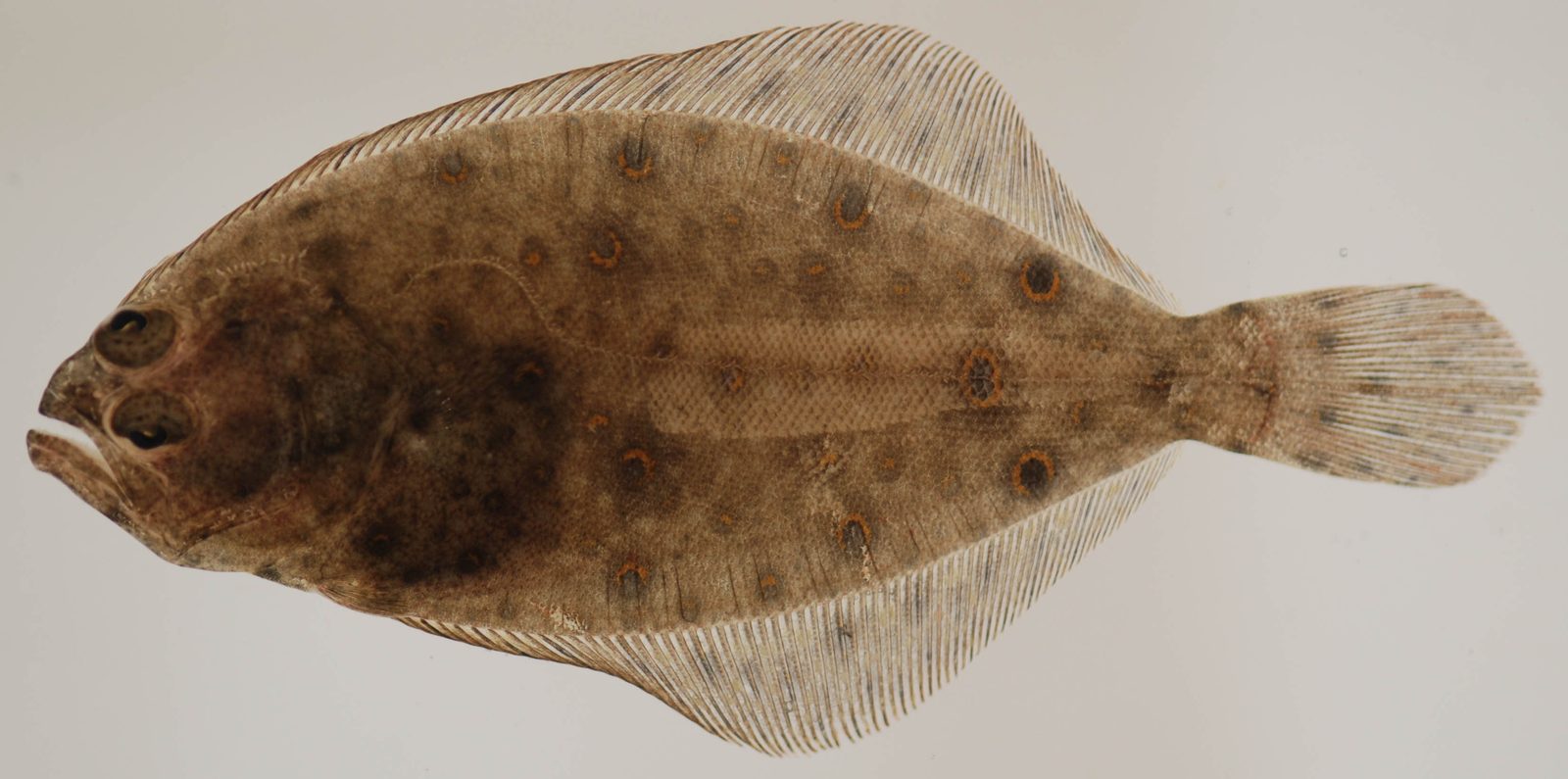
A summer flounder is a flat, left-eyed fish with both eyes on its upper side, a mottled brown-gray body with five eye-like spots and a large mouth with sharp teeth. Windowpane flounder are round and thin, and winter flounder have a smaller mouth. NOAA says adults spend most of their lives on or near the bottom, often buried in sand, while larvae use estuaries and juveniles burrow into marsh creeks, seagrass and mud flats. Females reach about 3 feet and the species can live roughly 12 to 14 years.
Fluke move with the seasons. They spend winter near the edge of the continental shelf, move inshore in late spring and early summer and head back offshore in fall. Peak spawning is October through November offshore. They are opportunistic ambush predators of small fish and crustaceans.
Where to look
Look for sand and sand-mud bottom near a change: current breaks, channel edges, inlet drop-offs, pilings, jetty bases, bridge shadows and artificial reefs. Hard edges, shell and rubble hold bait and attract fish. Bay and inlet fish are usually found in 5 to 40 feet of water, with fish deeper near ocean reefs. Moving water improves a drift and brings bait, and fish stage on current edges. In summer they sit in warm shallow bays, and on hot days they slide deeper.
At Delaware’s Roosevelt Inlet and the Lewes–Rehoboth Canal, regional reports say flounder sit on the bottom in the current and take minnows and squid on the incoming tide.
Tackle that fits
Rod. A 6 to 7 foot medium spinning rod works from shore, and a 6.5 to 7.5 foot medium fast rod suits boats. A sensitive, fast tip detects subtle bites, and enough backbone lifts a bucktail and holds the weight. Shorter, lighter blanks suit jigging, and longer ones help casting from piers.
Reel and line. A 3000 to 5000 size spinning reel with a smooth drag and enough capacity for bay depths. Many anglers use 10 to 20 pound braid with a 15 to 30 pound fluorocarbon leader, 6 to 8 feet long in clear water. These are typical setups, not requirements.
Rigs. A bucktail of half an ounce to 3 ounces on a 2/0 to 4/0 hook is the core. A high-low “speck” rig with pink scented plastic is a local favorite at some inlets. Carolina rigs and fish-finders also work. Use enough weight to stay on bottom.
Baits and lures
Live minnows such as spearing and killifish, squid strips, small whole fish and scented baits all work. Combine a bucktail with a strip of squid and a minnow or scented grub for the classic fluke rig. Hook minnows through the lips, and cut a long, thin squid strip to act as a tail. Larger baits suit big fish and smaller baits suit cold, clear water. Fresh bait performs better.
For lures, bucktails with scented grubs and jigs fished around pilings are standard. White, chartreuse and pink work well in clear water, heavier jigs hold in current, and smaller ones suit calm water. Hop the lure along the bottom with a lift and drop, and keep contact. Flounder often follow a lure and strike when it falls.
Three techniques
Drifting a bucktail rig. Drift with the wind or current over sand or structure. Drop the rig to the bottom, lift it 6 to 12 inches, then lower it. Keep light contact. A strike feels like a tap or extra weight. Pause, drop the rod tip, then set the hook firmly. Pump and reel, and net the fish.
Working pilings and inlet edges. Cast up-current of a piling and let the jig reach the bottom. Hop it slowly down-current while keeping it in the strike zone.
Fan-casting from a pier or the surf. Cast a bucktail in a fan pattern to cover water, then retrieve slowly along the bottom and pause near troughs.
Seasons and conditions
Fish arrive inshore in spring as bays warm. Summer is the peak, with early mornings and the incoming tide best, moving deeper on hot days. In fall, fish stage in the surf and inlets before they migrate offshore. In winter they are offshore and shore fishing is mostly unproductive.
A moving tide is best. Early morning and late afternoon fish well, and a light to moderate wind helps a drift. At some piers, local reports say high tide is the only time worth fishing.
Common mistakes
- Using a sinker too light to stay on the bottom.
- Holding the rod too high, which costs you feel.
- Setting the hook too fast on a nibble.
If you are not getting bites, check the tide and drift speed, add weight to keep the bait on the bottom, switch from an artificial lure to live minnow or squid, move to a channel edge or structure, shorten the leader or try a smaller hook, and fish moving water at dawn or dusk. A combination of bucktail and live bait often beats either one alone, and a drift log for each inlet helps you repeat what worked.
Handle fish with care
Measure carefully, because size limits can change during the year. Use a rubber-coated net, support a flatfish by the belly and release undersized fish quickly.
Summer flounder in Delaware
Flounder are the bay and inlet fish of Delaware’s coast. Good places to start are the Lewes–Rehoboth Canal and Roosevelt Inlet, Inland Bays and Delaware Bay by boat guides. The Delaware rules and license guide has the current size and daily limits.
Build the rod to the water
A rod made for bucktail work can be balanced for your drift or your pier, with a sensitive tip and enough power in the butt. Tell us where you fish and what you target, and we can build the rod around it.
In Maryland
Maryland keeps its coastal flounder fishery open all year with a size minimum that steps up on June 1. The current numbers are in the Maryland rules guide, and the places to fish are in the Ocean City and Assateague guides.
In Virginia
Virginia manages summer flounder through VMRC. We have not published the limits, so check VMRC before you keep a fish. See the Virginia rules guide and the Virginia Beach guide.
In New Jersey
New Jersey has three fluke size limits: one for most waters, a smaller one in Delaware Bay and a smaller one still for shore anglers at Island Beach State Park. The New Jersey fluke guide lays them side by side and explains the lines between them.
Fishing for it by state
- Summer Flounder (Fluke) Fishing in Delaware (Delaware)
- Summer Flounder (Fluke) Fishing in Maryland (Maryland)
- Fluke (Summer Flounder) Fishing in New Jersey: Sizes and Spots (New Jersey)
Frequently asked questions
What is the best rig for flounder? +
A bucktail or jig tipped with a minnow, squid strip or scented plastic, kept near the bottom, is the standard rig.
Why do fluke bites feel like a tap? +
Flounder ambush bait from the sand, and the first contact is often a tap or a heavy feeling. Pause, then set the hook.
Sources
- NOAA Fisheries: Summer flounder (accessed October 24, 2026)
- 2026 Delaware Fishing Guide (PDF) (accessed November 1, 2026)