
Summer Flounder (Fluke) Fishing in Maryland
Last verified:
By BCRods
Quick facts
- Season
- All year
- Size
- 16 in Jan 1 to May 31; 17 1/2 in Jun 1 to Dec 31
- Limit
- 4 a day
- Rod fit
- 6 ft to 7 ft 6 in medium-fast spinning
- Chesapeake Bay
- Same limits as the coast; fish mostly south of Annapolis
- Hooks
- Two hook units per line; no Sabiki rigs
- Tidal license
- $15 resident, $22.50 non-resident (7-day $6 and $12)
Rules snapshot
Summer flounder (fluke), Atlantic and coastal bays
Open all year. Minimum size 16 inches January 1 to May 31 and 17 1/2 inches June 1 to December 31. Daily limit 4. · Maryland Atlantic seasons, sizes and limits, checked November 1, 2026
This is not legal advice. Rules change, so confirm with the state agency before you fish.
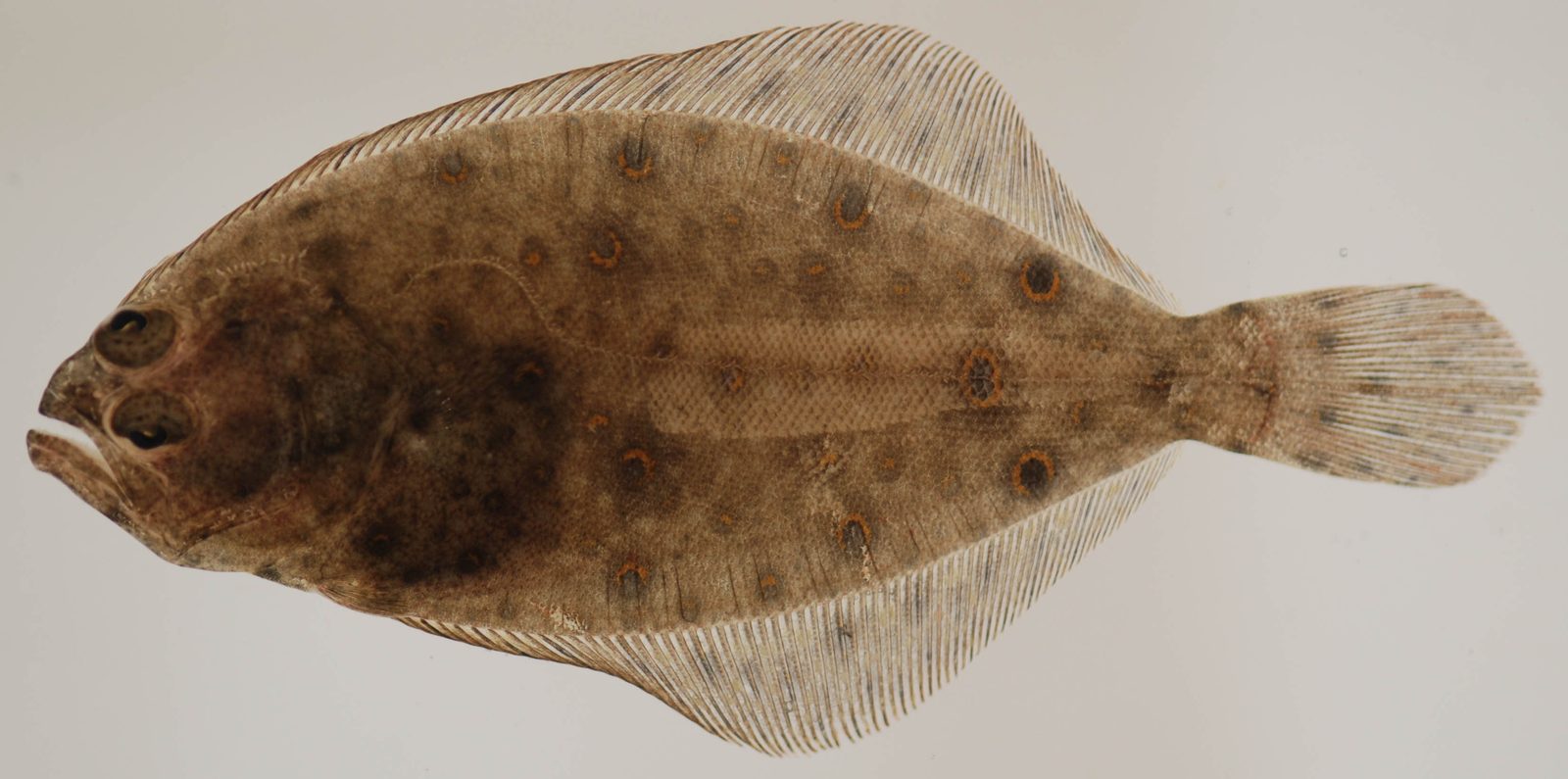
Summer flounder, also called fluke, are a summer fish around Ocean City and Assateague, and Maryland’s size limit changes on June 1. This guide covers the Maryland rule, where anglers fish for fluke on the coast and how the season runs. For how to catch them, see the summer flounder how-to guide.
The rule
The rules snapshot above shows the rule with the date we checked it. In the Atlantic and coastal bays the season is open all year. The minimum size is 16 inches from January 1 to May 31 and 17 1/2 inches from June 1 to December 31, and the daily limit is 4. Maryland’s online fishing guide, last updated September 16, 2026 when we read it, lists the same season, size and limit for the Atlantic Ocean and coastal bays and for the Chesapeake Bay and its tidal tributaries. Our research notes from DNR’s summer flounder notice effective January 1, 2026 found no site-specific or shore-based rules, so the same limits apply to the pier, the surf and a boat. Seasons and sizes are reset from year to year, and the size change on June 1 catches many anglers out, so measure every fish and check DNR before you keep one.
Where to fish in Maryland
Ocean City Inlet, the Route 50 bridge and the piers. Our research lists flounder among the fish taken at the inlet and around the Route 50 bridge pilings, along with bluefish, croaker and tautog. Medium spinning or casting rods suit bridge-piling fishing. See the Ocean City inlet and piers guide. The tournament weigh-in at this inlet is a separate story, in our White Marlin Open tale.
Assateague Island surf. The National Park Service lists summer flounder here in late spring, summer and fall. See the Assateague surf guide.
Seasons and timing
Fish arrive inshore in the warming bays in spring, and the size limit rises on June 1. Summer is the peak, and early morning and the incoming tide are the best times. On hot days fish move deeper. In fall fish stage in the surf and inlets before they move offshore. In winter they are offshore, and shore fishing is mostly closed or unproductive.
Rods and tackle
A 6 to 7 foot 6 inch medium-fast spinning rod is typical, or a 7 to 8 foot rod for a boat, with a 3000 to 5000 size reel and 10 to 20 pound braid with a 15 to 30 pound fluorocarbon leader. Live minnows, squid strips, Gulp!-type baits and cut bait are the common baits, and bucktails and jigs tipped with them are the common lures. Drift slowly or work the pilings and channel edges, and keep the bait near the bottom. These are typical choices, not requirements.
Shore and boat
Piers, jetties, the inlet and the surf are the shore options. At some piers anglers say high tide is the only time to fish. A boat gives access to channel edges, reefs and bridges and to larger fish. Inlet currents are strong, so use care. For the Maryland license and tidal rules, see our Maryland rules guide.
The Chesapeake Bay side
Most of this guide is about the coast, but DNR’s fish facts page describes a Bay fishery too. In the Chesapeake Bay, summer flounder are largely restricted to waters south of Annapolis, though they turn up occasionally in the upper Bay. The Bay fishery occurs in late summer from the Bay Bridge south, with the most effort closer to the Virginia line and the mouth of the Potomac River. DNR calls the fish a popular target in the Maryland coastal bays. It says summer flounder average 3 to 6 pounds and 15 to 22 inches, spawn from about age 2 at roughly 12 inches, and spend the winter offshore at depths of 100 to 600 feet, leaving the Bay in October. Because a fish does not spawn until it is about 12 inches, many flounder you catch are young fish under the 16 inch minimum and must go back.
Measuring and carrying fish
Maryland measures a fish by total length: the maximum length with the mouth closed and the tail pinched together, measured from the snout to the tip of the tail. Push the snout against a vertical surface and pinch the tail closed on the tape. Maryland also limits what you may carry on a boat in tidal water: it is unlawful to have more than 15 pounds of any fish that has a size or weight limit in a condition where its size or weight cannot be determined. We found no flounder-specific filleting rule, but if you clean fish on the water, keep enough of each fish to show it met the limit.
Gear rules that matter for fluke
Maryland allows no more than two hook units per line, snagging is not legal, and you must be actively in control of your gear. Sabiki rigs and mackerel trees are illegal in Maryland, so check a store-bought multi-hook bottom rig against the two-hook limit before you tie it on. On the Chesapeake Bay and its tidal tributaries from March 1 through December 31, you must use non-offset circle hooks or J hooks when you fish with fish, crabs or worms as bait. Felt-soled or other absorbent-soled waders and boots are illegal statewide, which matters for anyone wading the inlet shore. Ocean City may have its own fishing ordinances, so check the town’s website for restrictions before you fish a town pier or bulkhead.
Licenses and pier fishing
Fishing in tidal water needs a Chesapeake Bay and Coastal Sport Fishing License. When we read the license page on November 2, 2026, it listed $15 for residents and $22.50 for non-residents, and a 7-day license at $6 and $12. A free Maryland Saltwater Angler Registration is required for anglers who are exempt from the license. You do not need a license if you fish from a licensed charter boat or a licensed commercial fishing pier, but a general public pier is not on that list. Two Ocean City sites are listed as license-free areas: the Northside Park pier at 125th Street and the Chicago Avenue bulkhead between 2nd and 4th Streets. Anglers there still need the free registration. Under-16s are exempt, and free fishing days are the first two Saturdays in June and July 4. Check the fee table before you buy, since prices change.
State record
DNR’s state records table loads dynamically, so we could not read the official summer flounder entry. A DNR fish facts page mentions a 15 pound summer flounder taken at Buoy 50 in the Maryland part of the Chesapeake Bay, but it gives no angler or year, so we do not treat it as the official record. DNR’s rules say a record fish must be weighed by a second party on a certified scale, kept whole until the species is verified, and reported on an application within two weeks, and a fish under 25 pounds must beat the record by at least 0.2 pound. Check DNR’s state records page for the current entry.
New to this fish? Read How to Catch Summer Flounder: Gear, Bait and Technique.
More fishing guides for Maryland
Frequently asked questions
What is the fluke size limit in Maryland? +
16 inches from January 1 to May 31 and 17 1/2 inches from June 1 to December 31, with a limit of 4 a day, in the Atlantic and coastal bays.
Sources
- Maryland Atlantic seasons, sizes and limits (eRegulations, updated Sept. 16, 2026) (accessed November 2, 2026)
- Maryland Chesapeake Bay seasons, sizes and limits (eRegulations, updated Sept. 16, 2026) (accessed November 2, 2026)
- Maryland saltwater fishing regulations (eRegulations) (accessed November 2, 2026)
- Maryland licenses and fees (eRegulations) (accessed November 2, 2026)
- Maryland: how to measure a fish (eRegulations) (accessed November 2, 2026)
- Maryland license-free fishing areas (eRegulations) (accessed November 2, 2026)
- Maryland DNR fish facts: summer flounder (accessed November 2, 2026)
- Maryland DNR state records procedures (accessed November 2, 2026)
- ASMFC: summer flounder (accessed November 2, 2026)