
The Plovers That Came Back to Gull Point
Last verified:
By BCRods
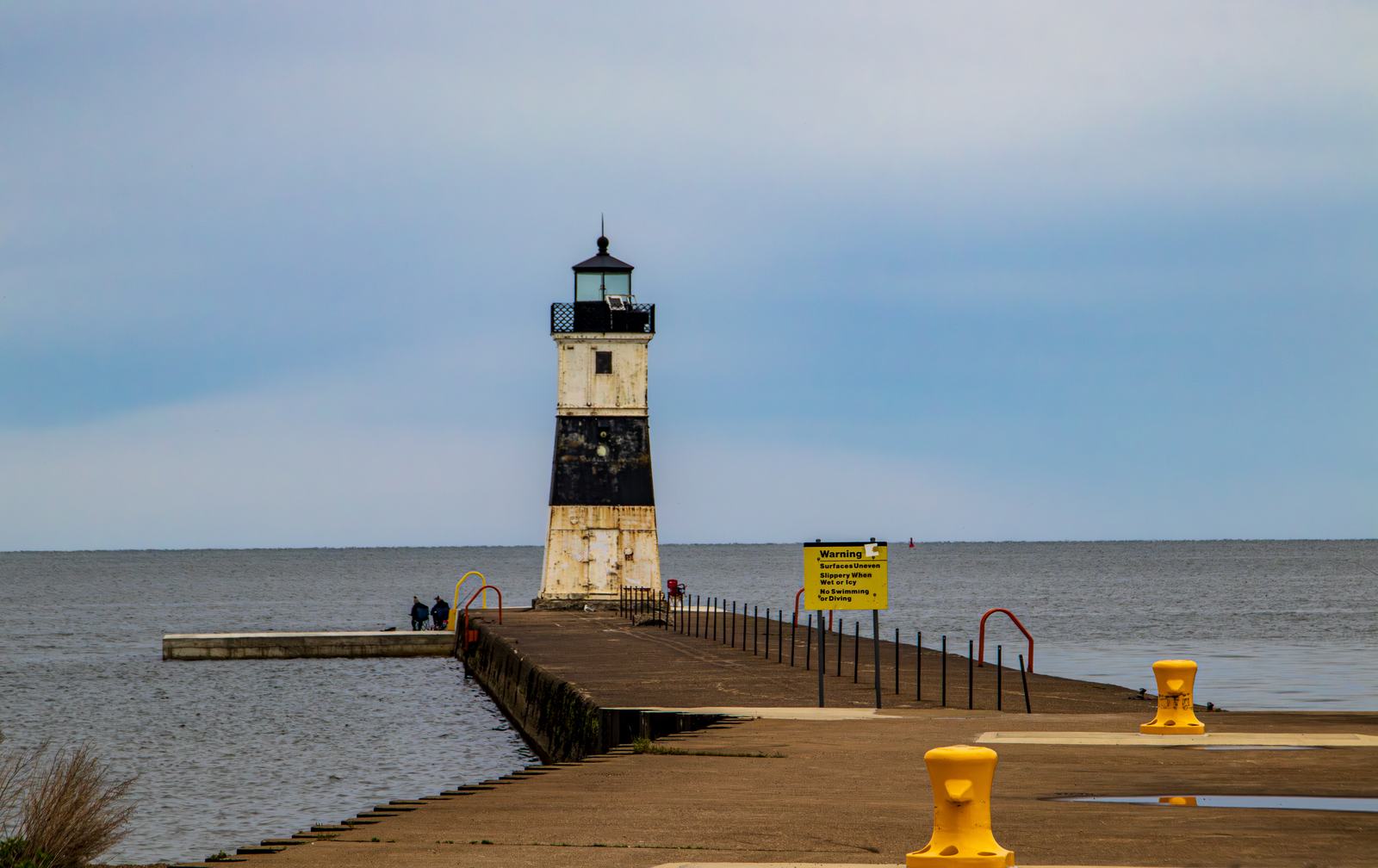
In June 2017, two pairs of piping plovers nested on the sandy beach at Gull Point, at the eastern end of the Presque Isle peninsula in Erie. It was the first time the small shorebirds had nested in Pennsylvania in about 60 years, since the 1950s. For anglers who fish the park’s piers and bay, it is a story about a stretch of shoreline they can see but, for part of the year, may not walk.
What happened
According to Audubon, which reported the story in July 2017, strong winds swamped the nests on June 25. A biologist, Tim Hoppe, collected the eggs and took them to an incubator at the Detroit Zoo. From there they went to a captive-rearing facility in northern Michigan. Two chicks hatched in captivity, and the plan was to release them along Lake Michigan that August. Audubon noted that Presque Isle once hosted up to 15 pairs of plovers.
The Pennsylvania Game Commission also issued a release about the nesting, titled “State-extirpated piping plovers nest in Pennsylvania.” We found it in search results but did not open it, so this account rests on the Audubon article alone.
Why it matters
The piping plover is a Great Lakes shorebird that Pennsylvania had lost as a nesting species, which is what the Game Commission’s word “extirpated” means. A pair returning after six decades is a rare event, even though the eggs did not hatch on the beach. Gull Point has been a designated natural area since 1994, after a campaign led by the Presque Isle Audubon Society, according to the same article.
What it has to do with fishing
Gull Point is at the eastern end of the peninsula. The Audubon article does not mention anglers. What it does say is that the point is managed for birds. The park has closed Gull Point to the public for part of the year, with a trail and an observation platform left open, but the dates in the article are from 2017, and we have not read a current statement. We therefore do not publish dates here. Before you walk toward the east end of the peninsula to fish, check the state park’s current closures.
The places the park lists for fishing are elsewhere: the Waterworks and the Ferry Dock, the East and West piers, the Perry Monument, the North Pier, the lagoons and the boat landings, with accessible piers at the Rotary Pavilion and the East, West and North piers. Those are the spots covered in our Lake Erie and Presque Isle Bay guide, along with the Lake Erie permit and the 2026 limits.
What anglers can take from it
Shorebirds and fish depend on the same shoreline, and rules that protect one often decide where you can stand to fish for the other. Stay on open beaches, piers and landings, obey posted closures, and keep your line away from any nest. If you see a banded or unusual shorebird, note where and report it to the park rather than approaching it. It is a small way to help a species that came back once and may do so again.
Sources and what we could not confirm
Our one full source is Audubon’s article, “Success! Piping Plovers Nested in Pennsylvania for the First Time in 60 Years” (July 24, 2017). We did not open the Game Commission release, we do not know how many pairs, if any, have nested since, and we do not have photographs we are cleared to use. If you have a better source, we would like to see it. More stories from Pennsylvania’s waters are on our Pennsylvania Dock Tales page.
The water behind the story
More fishing guides for Pennsylvania
Sources
- Audubon: Success! Piping Plovers Nested in Pennsylvania for the First Time in 60 Years (July 24, 2017) (accessed October 24, 2026)