
Best Fishing Spots in Pennsylvania
Last verified:
By BCRods
Quick facts
- License
- Required at 16; trout and Lake Erie permits are separate
- Delaware River
- PA or NJ license valid on the NJ border stretch
- Susquehanna bass
- No harvest of black bass, Sunbury to Holtwood
- Lake Erie
- Separate Lake Erie permit for lake, bay and creeks
Pennsylvania offers more freshwater variety than any other state in this region: Great Lakes steelhead in the northwest corner, a tidal river and a wild-trout river along the eastern border, a wide smallmouth river through the middle, deep reservoirs with inland striped bass and limestone creeks that fly anglers travel to fish. This guide is the starting point. It sorts the Pennsylvania waters we have written up by region, tells you which license and permits you need, and highlights the rules that surprise visitors. Rules change, so each fact on the linked pages shows the date we checked it, and anything we could not confirm is marked.
Know the license first
Pennsylvania requires a fishing license at age 16 and older, and most trips add a permit. Trout need a trout permit. Anything on Lake Erie, Presque Isle Bay or the creeks that flow into them needs a Lake Erie permit. The combination permit covers both and costs less than the two together. Anglers who target shad, striped bass or river herring on the tidal Delaware also register for free. The 2026 fees, the youth rules and the permit exceptions are on the Pennsylvania license and rules guide. The 2027 fee table was not posted when we checked, so check the Commission’s license page for current prices.
Three rules that surprise visitors
- You cannot keep a black bass on the middle Susquehanna. From the Sunbury dam to Holtwood Dam, and on the lower Juniata, largemouth, smallmouth and spotted bass are catch and release only, all year: the Susquehanna guide.
- Lake Erie fishing takes its own permit, and the creeks that hold steelhead have a night closure and a yearly 32 hour closure: the Erie steelhead guide.
- The tidal Delaware requires inline circle hooks with bait and bans gaffing striped bass: the tidal Delaware guide.
Pick a region
Lake Erie and Presque Isle
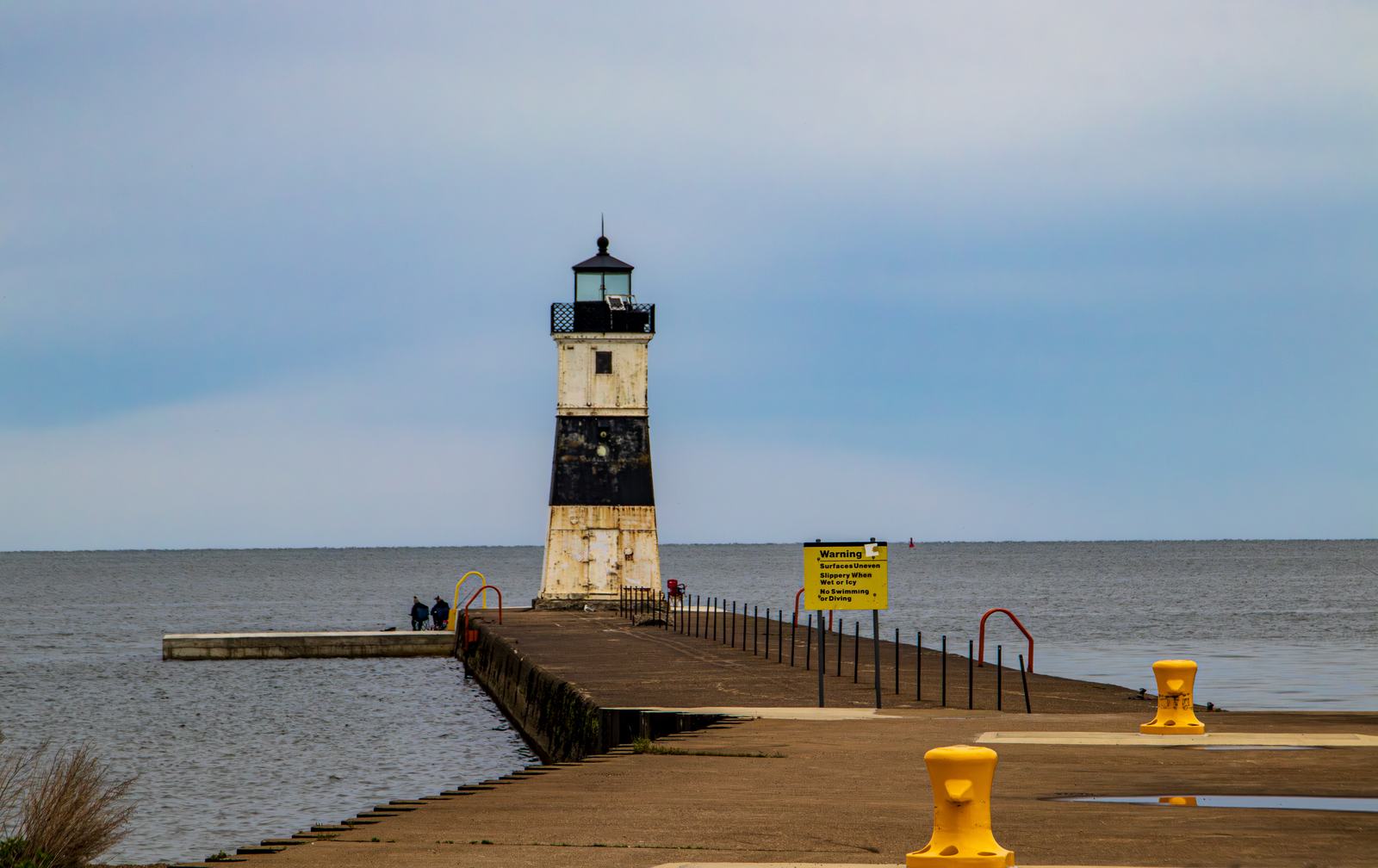
- Lake Erie and Presque Isle Bay have piers, perch, walleye, bass and open-lake trout, plus the Lake Erie permit: the Lake Erie guide.
- The Erie steelhead creeks are the state’s cold-weather fishery, with strict closures: the Erie steelhead guide. For technique, see how to catch steelhead.
The Delaware River
- The tidal Delaware from Morrisville to the Delaware line has catfish, white perch and spring runs of stripers and shad: the tidal Delaware guide.
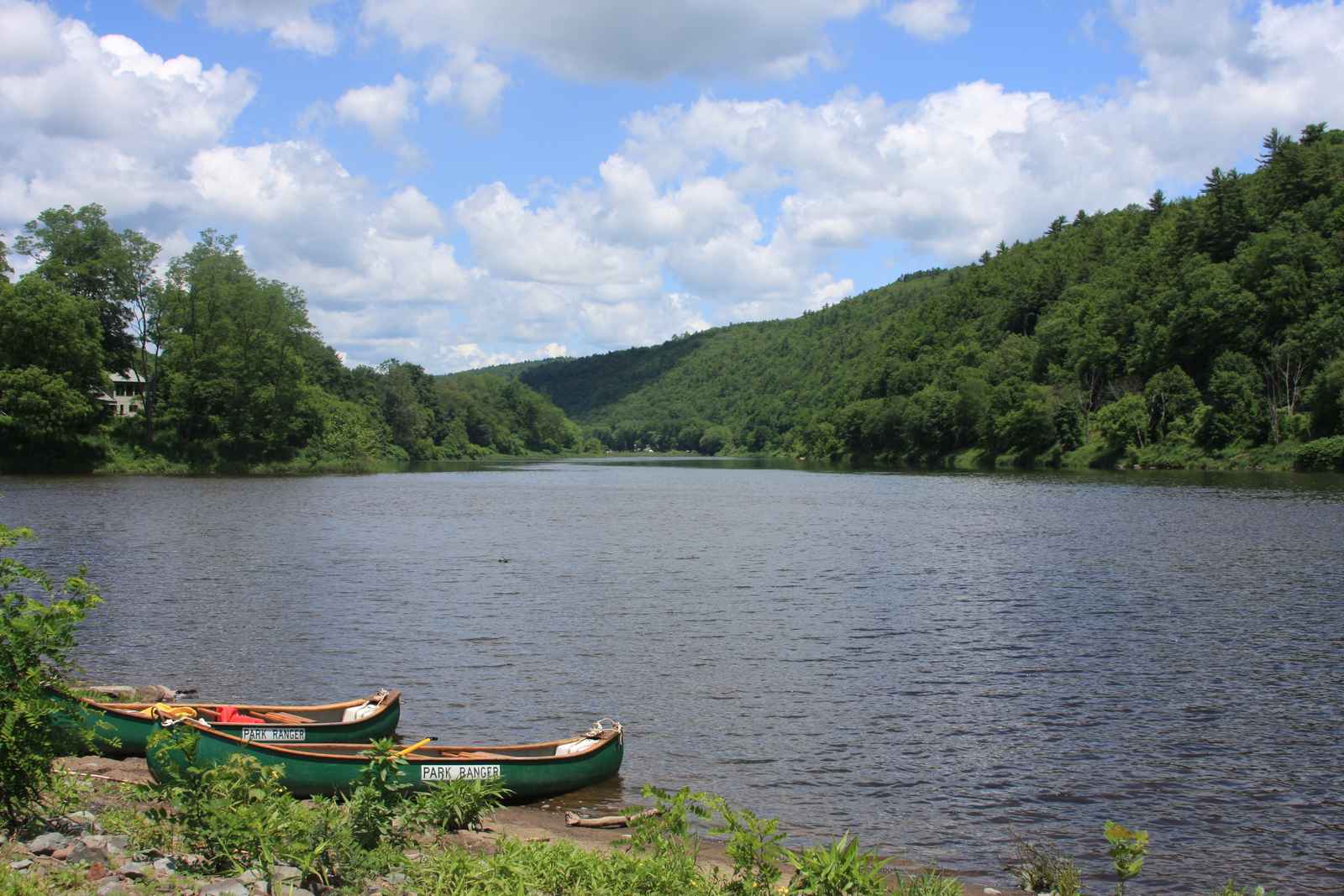
- The Upper Delaware has wild trout, shad, smallmouth bass and a two-state license rule: the Upper Delaware guide.
The Susquehanna and the big lakes
- The Susquehanna River is smallmouth and big catfish country with a release-only bass rule: the Susquehanna guide.
- Raystown, Pymatuning and Nockamixon are compared in best lakes for fishing in Pennsylvania.
Trout
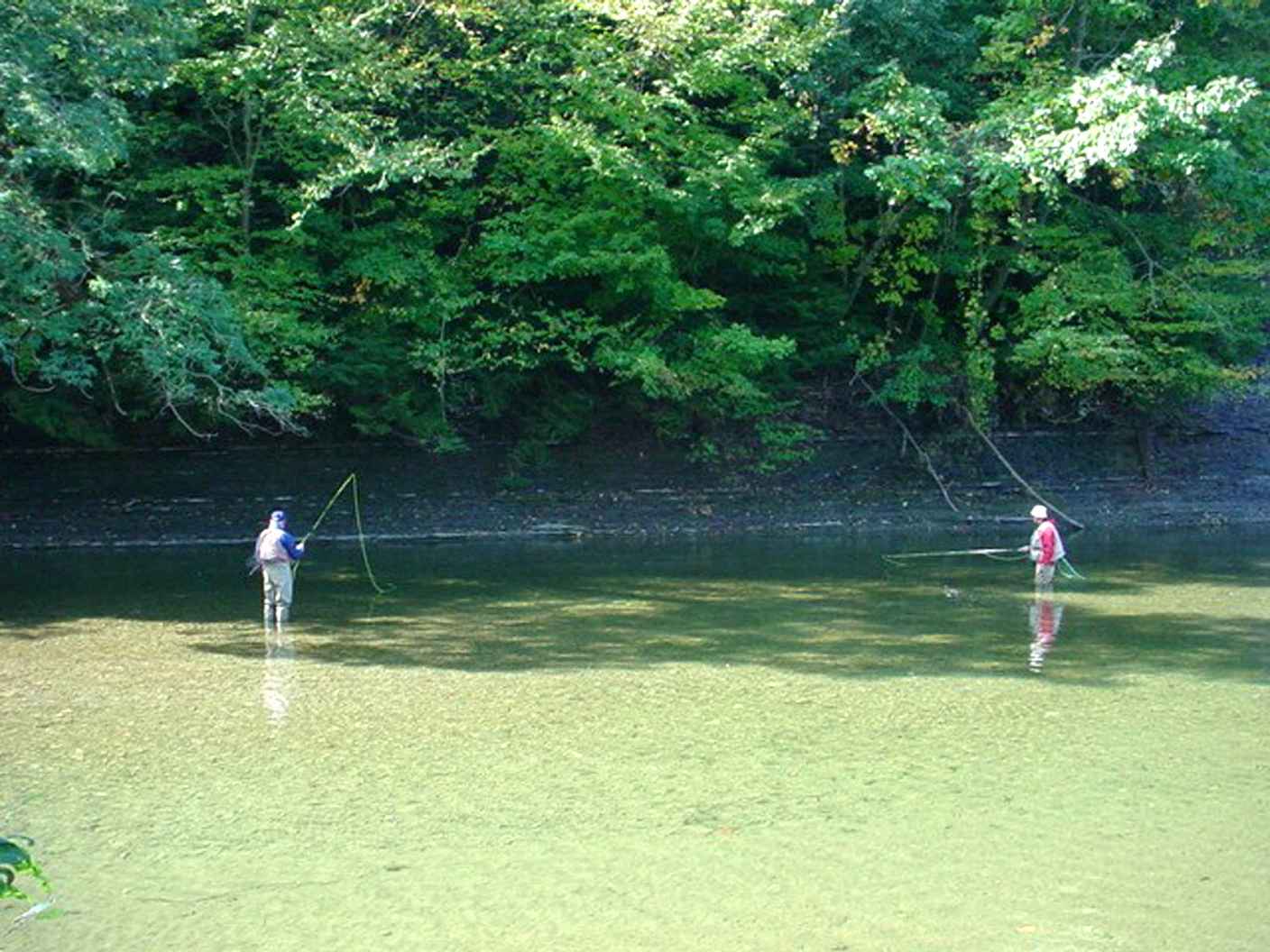
- The trout permit, the season and the fly-only creeks are in the Pennsylvania trout guide, including Spring Creek’s Fisherman’s Paradise and the Letort.
Species guides
- Striped bass in Pennsylvania, from the Delaware Estuary slot to Raystown.
- Smallmouth bass in Pennsylvania, with the release rules water by water.
Dock Tales
Pennsylvania’s waters have stories: shorebirds that came back to Presque Isle, a spillway where ducks stand on carp, state records and a famous fly stream. They are on our Pennsylvania Dock Tales page.
Where to start by goal
- A first trip with a child or a borrowed rod: the piers at Presque Isle on Lake Erie, or the pier and loaner rods at Lake Nockamixon near Philadelphia.
- Steelhead: the Erie creeks, from fall through spring, with both permits and an eye on the closures.
- Catfish and white perch close to the city: the tidal Delaware, with inline circle hooks and a bottom rig.
- Smallmouth bass: the Susquehanna and Delaware rivers, where the release rules decide whether you keep one.
- Walleye, crappie and winter fishing: Pymatuning Reservoir, under the two-state license rule.
- Wild trout and fly-only water: the Upper Delaware, Spring Creek and the Letort, with a trout permit.
What the calendar looks like
Pennsylvania’s seasons are set by the Fish and Boat Commission’s yearly regulations, and a few dates anchor the year. Trout opening day in 2026 was April 4, and we do not state a 2027 date because it had not been published. The Commission says steelhead move into the Erie creeks from October through April. The state parks agency says the Delaware shad migration begins in early spring, with no peak dates. The spring catch-and-release window for black bass runs from April 11 to June 12 on the Delaware, in Big Bass lakes and on the Susquehanna’s tournament calendar, and the dates shift slightly each year. Each guide gives the window it applies, and the rules snapshot at the top of the page shows the date we checked.
How we check these guides
We read the Commission’s 2026 regulations book, the license and permit page and the DEP advisory tables that the book prints, and we mark each rule with the date we read it. Where an agency page was old, unreadable or in conflict with another source, the guide says so and shows a “check the agency” line instead of a number. We do not publish launch fees, gate hours or access details unless we have a current source. The method, and how to send a correction, is on our “how we research” page.
The rules in one minute
Four rules to carry with you. First, the fishing license starts at 16, and the trout and Lake Erie permits are separate. Second, on shared waters, your license works only where the Commission says it does: the Delaware between Pennsylvania and New Jersey, and between Pennsylvania and New York, and Pymatuning and the Conowingo Reservoir from a boat only. Third, Pennsylvania’s bass rules differ by water, so check the entry for the lake or river you are on. Fourth, fish advisories are specific by water and species, and the statewide default is one meal a week.
Fish advisories
The Pennsylvania Department of Environmental Protection publishes consumption advisories, and the 2026 values appear in the Commission’s regulations book. A few are serious. Neshaminy Creek is Do Not Eat for all species, and so is Darby Creek below Route 13. Large Lake Erie carp and lake trout are Do Not Eat, and many Lake Erie fish are limited to one meal a month. Each water guide lists its own, and the DEP table is the source to check on the day you eat a fish.
Safety
- Lake Erie weather turns quickly. Check the marine forecast, and stay off piers when waves wash over them.
- Cold water is dangerous on the steelhead creeks and the Delaware from late fall through spring.
- Ice is never certain. We give no thickness figures. Check the state parks agency’s guidance for the lake you plan to fish.
- River levels change fast on the Susquehanna and Delaware after rain. Check a gauge before you wade.
Nearby
The Delaware River is shared. If you fish from the Pennsylvania side of the tidal river, you may also want New Jersey’s Delaware River guide and Delaware’s river and canal guide. The Susquehanna continues into Maryland at Conowingo Dam.
Gear for Pennsylvania
A medium spinning rod around seven feet covers perch from a pier, smallmouth in a river and most panfish. Steelhead call for a longer rod, Delaware catfish for a heavier one, and fly-only creeks for a light fly rod. Tell us which waters you plan to fish and we can build the rod to fit.
Lake Erie and Presque Isle
Erie Steelhead Tributaries: Creeks, Gear and Rules
A guide to Pennsylvania's Lake Erie steelhead streams: season, permits, tackle, easements and the rules that apply on the water.
Fishing Lake Erie and Presque Isle Bay: Piers, Perch and Steelhead
Where to fish Presque Isle Bay and Lake Erie: park piers, perch, walleye, bass and trout, the Lake Erie permit and the 2026 limits.
The Delaware River
Fishing the Tidal Delaware in Pennsylvania
Catfish, white perch, striped bass and shad on the tidal Delaware in Pennsylvania: access, circle hooks, slot limits and the advisories.
Upper Delaware River Fishing: Wild Trout and Smallmouth
Fishing the Pennsylvania side of the Upper Delaware: wild trout, shad, smallmouth, the NY-PA license rule and access near Lackawaxen.
The Susquehanna River
Guides by interest
Best Lakes for Fishing in Pennsylvania
Raystown, Pymatuning and Nockamixon: what each holds, the rules that differ lake to lake and where to start.
Pennsylvania Trout Fishing: Permits, Seasons and Fly-Only Waters
The trout permit, the April opener, Spring Creek, the Letort and the Delaware tailwaters: Pennsylvania trout rules and where each stream fits.
Fish species in this state
Smallmouth Bass Fishing in Pennsylvania: Rivers, Lakes and Release Rules
Pennsylvania smallmouth: the no-harvest Susquehanna and Juniata, Delaware River spring release window, Lake Erie and Big Bass lakes.
Striped Bass Fishing in Pennsylvania: Delaware River and Raystown
Pennsylvania striped bass: the Delaware Estuary slots by season, circle hooks, no gaffing, and the inland stripers of Raystown and Nockamixon.
- Pennsylvania Fishing License, Permits and Rules
- Pennsylvania Dock Tales: Piping Plovers, Records and Limestone History
Frequently asked questions
Where should I start fishing in Pennsylvania? +
For steelhead and perch, start at Lake Erie. For catfish and stripers close to Philadelphia, the tidal Delaware. For smallmouth, the Susquehanna, which is catch and release only for bass.
Do I need a license? +
Yes, at 16 and older. Trout need a trout permit and Lake Erie fishing needs a Lake Erie permit. A free saltwater registry covers shad and stripers on the tidal Delaware.
Sources
- PFBC 2026 Pennsylvania Fishing Summary (regulations book) (accessed November 2, 2026)
- PFBC fishing license and permit pricing (accessed November 2, 2026)