
How to Catch Steelhead: Gear, Bait and Technique
Last verified:
By BCRods
Quick facts
- Where
- Great Lakes tributaries: pools, runs and tailouts below riffles
- Best seasons
- Fall through spring runs, with peaks after rain and cold snaps
- Rod
- 9 to 10 ft medium-heavy spinning or float rod, or 9 to 11 ft fly rod
- Baits
- Spawn bags, single eggs, nightcrawlers, small spoons and spinners
Steelhead are rainbow trout that spend most of their lives in a big lake or the ocean and return to creeks to spawn. In the Great Lakes they are one of the great cold-weather fisheries, with fish that commonly run several pounds and a few that run far more. They reward anglers who read moving water, keep a drift clean and handle cold. This guide covers how to recognize them, where they hold, the tackle and baits that work, three techniques and how to release them well. Seasons, limits and tributary closures differ by state and by creek, so always check the current rules before you fish.
Know the fish
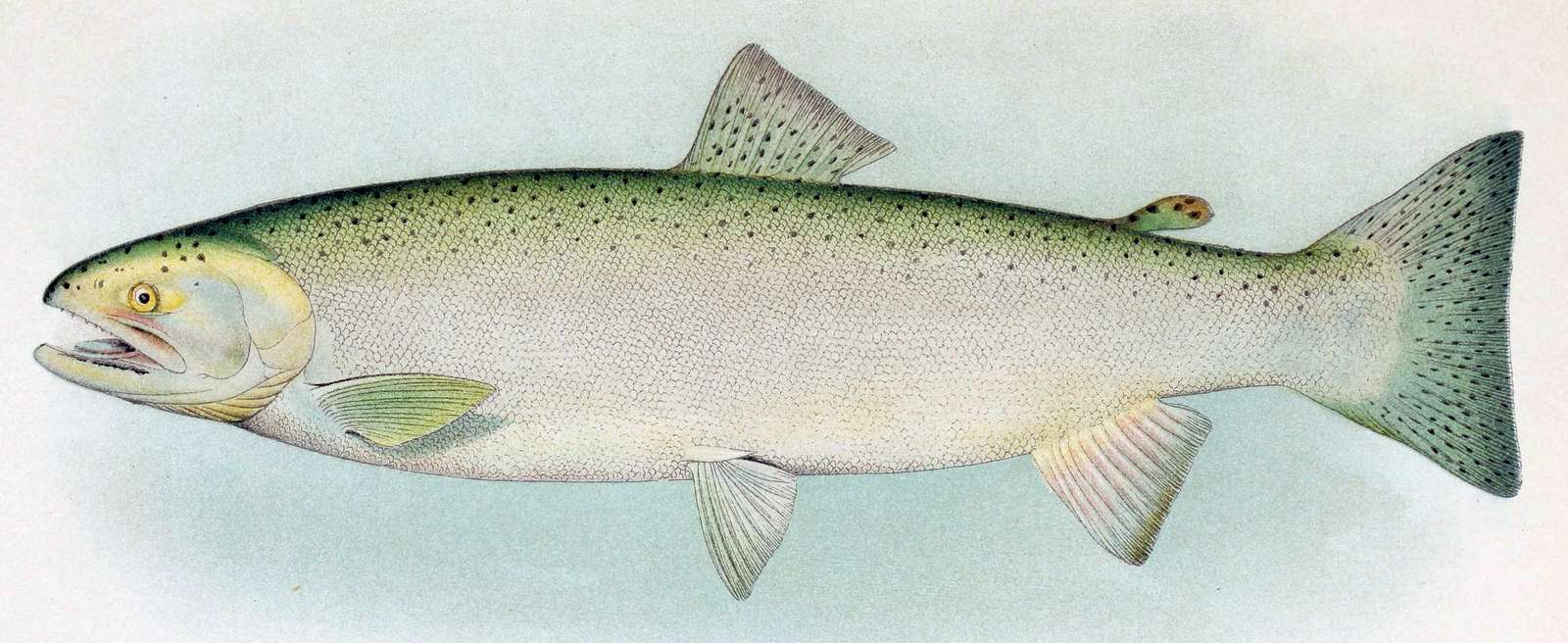
A steelhead looks like a silver rainbow trout: bright, streamlined, with fine black spots and a faint pink stripe that deepens as the fish spends time in a creek. Fresh-run fish are chrome and strong, and they fight with long runs and jumps, usually in heavy current. Great Lakes steelhead enter tributaries in the fall and winter and again in spring, and the timing shifts with the lake, the creek and the weather. Many fish are stocked, and some reproduce in the wild. They are cold-water fish that feed less than a resident trout once they are deep in a creek, but they will take eggs, nymphs and small baitfish imitations placed right in front of them.
Where to look
Steelhead rest in the slower water beside fast current. Look at pool heads, the soft inside seams of runs, tailouts above a riffle, undercut banks and logjams, and the deep slots below waterfalls. After rain they stack up in the lower parts of a creek and hold near cover as the water falls and clears. Early in a run, fish near the mouth. Later they spread farther upstream. A pool that is empty one day can hold fish the next.
Tackle that fits
Rod. A nine to ten foot medium-heavy spinning or float rod is common for drifting bait and floats, because the length mends line and keeps a drift natural. Fly anglers use nine to eleven foot rods, often in the seven to eight weight range, to cast heavy nymphs and streamers. These figures come from retail steelhead guides, so treat them as typical, not required.
Reel and line. A 3000 to 4000 spinning reel with a smooth drag, spooled with eight to twelve pound line, is a common starting point. Fluorocarbon leaders of six to ten pounds are standard because the water is often clear and the fish are wary.
Terminal tackle. Size 6 to 10 single hooks for eggs and bait, light split shot, and floats are typical. Some waters ban treble hooks, so check before you tie one on.
Baits and lures
Egg bags, single eggs on a hook, nightcrawlers and wax worms are the standard natural baits. Where bait is allowed, a small spawn bag tied in mesh and drifted along the bottom is one of the most reliable. Minnow imitations, spoons and spinners cover water when fish are active. Fly anglers use egg patterns, stonefly nymphs, woolly buggers and larger streamers. Match the size and color to the clarity: brighter and larger in stained water, subtler in clear.
Three techniques
Float drifting. Set a float so your bait rides just off the bottom, cast upstream of a pool head and let the float drift along the seam at the speed of the current. Mend the line, and set the hook when the float dips or hesitates.
Bottom drifting. In heavier current, use a few split shot and a short leader, and feel the bait tick the bottom. Keep your rod tip high and your line tight.
Swinging streamers or nymphing on the fly. Cast across the current and let a streamer swing, or dead-drift a nymph under an indicator. Cover the water methodically from the head of a pool down.
Seasons and conditions
Steelhead fishing is a water-level game. Fish move and feed best as a creek rises and drops, and a stable, clear, cold flow can be slow. Cold temperatures slow the fish and the angler. Dress for the cold and watch the forecast, because a creek can double in size after a hard rain.
Common mistakes
- Fishing too fast. A bait that is moving faster than the current looks wrong.
- Fishing the middle of a pool and skipping the edges and tailouts.
- Using line that is too heavy in clear water.
- Trampling a gravel bar where fish spawn. Stay off redds.
- Wading beyond your ability in cold, high water.
Expert tips
Sharpen hooks often, because bottom contact dulls them. Keep a thermometer and a gauge reading in mind. Carry a net and forceps, wear polarized glasses and fish downstream of other anglers rather than cutting in.
Handle fish with care
If you release a steelhead, keep it in the water, wet your hands, support it under the belly and remove the hook with pliers or forceps. Revive the fish facing into the current until it swims away. Fish that bleed from the gills are unlikely to survive, so where the rules allow, keep it.
In Pennsylvania
Pennsylvania’s steelhead run the creeks that flow into Lake Erie. They need a Lake Erie permit and a trout permit, there are night and yearly closures, nursery waters are off limits, and the daily limit changes on Labor Day. All of it is in the Erie steelhead guide, with the lake in the Lake Erie guide and the license rules in the Pennsylvania rules guide.
Frequently asked questions
What is the best bait for steelhead? +
Spawn bags and single egg patterns drifted along the bottom are the standard, with nightcrawlers, small spinners and spoons as alternatives.
Can I keep a steelhead in Pennsylvania? +
Yes, within the trout and salmon limits for Lake Erie tributaries. Check our Pennsylvania steelhead guide for the limits and closures.
Sources
- PFBC steelhead page (accessed November 2, 2026)
- PFBC 2026 Pennsylvania Fishing Summary (accessed November 2, 2026)
- Tackle Village: Steelhead fishing in Pennsylvania (retail guide) (accessed October 24, 2026)