
Upper Potomac River Fishing: Smallmouth, Walleye, Flatheads
Last verified:
By BCRods
Quick facts
- Length
- Cumberland toward Washington, D.C., over 200 miles along Maryland's southern boundary
- Life jackets
- Required on the upper Potomac and tributaries from Nov 15 to May 15
- Walleye
- 15 inch minimum; 15 to 20 inch slot Jan 1 to Apr 15
- Invasives
- Flathead catfish from Dam 5 downstream; kill, never move live
Rules snapshot
Life jackets on the upper Potomac
A person aboard a vessel, raft or tube must wear a U.S. Coast Guard approved Type I, II, III or V life jacket at all times on the upper Potomac River and its tributaries between November 15 and the following May 15. DNR also says wading should not be attempted when river levels exceed the normal level, and children under 13 must wear a USCG-approved life jacket on recreational vessels under 21 feet. · 2026 Maryland Guide to Fishing and Crabbing, checked November 1, 2026
Flow and release information in the Maryland guide
The guide lists these sources: Conowingo Dam spill hotline 877-457-2525; Susquehanna flow at Conowingo 888-457-4076; Jennings Randolph Lake and Savage River Dam projected releases 410-962-7687; Potomac flow at Hagerstown 301-223-6377; USGS flow information for all Maryland waters at md.water.usgs.gov; Youghiogheny white water release schedule 315-413-2823 or deepcreekhydro.com; C&O Canal conditions at nps.gov/choh. · 2026 Maryland Guide to Fishing and Crabbing, checked November 1, 2026
Upper Potomac walleye
Minimum size 15 inches year round with a daily limit of 5. From January 1 to April 15 the maximum harvestable size is 20 inches, a 15 to 20 inch slot. · Maryland DNR: Upper Potomac River, checked November 1, 2026
Largemouth and smallmouth bass, non-tidal water
Harvest from June 16 to the last day of February: 12 inch minimum, 5 a day in aggregate, 10 in possession, unless special regulations apply. Catch and release is permitted at all times. Bass cannot be used as bait. · 2026 Maryland Guide to Fishing and Crabbing, checked November 1, 2026
Common non-tidal limits
Channel catfish: 5 a day, 10 in possession. Crappie: 15 a day. Chain pickerel: 14 inches, 5 a day. Northern pike: 30 inches, 2 a day. Muskellunge and tiger muskie: 36 inches, 1 a day. Striped bass may not be kept from non-tidal streams and rivers; in lakes and ponds the limit is 2 a day at 18 inches, only one over 30 inches. · 2026 Maryland Guide to Fishing and Crabbing, checked November 1, 2026
Blue and flathead catfish limits
There is no minimum size or creel limit for blue or flathead catfish, and anglers are encouraged to keep them for food or other beneficial uses year round. Releasing a live catfish into a waterbody different from where it was caught is illegal, punishable by a fine of up to $2,500 per fish and up to $25,000 per incident. · 2026 Maryland Guide to Fishing and Crabbing, checked November 1, 2026
Northern snakehead (Chesapeake channa)
No season, minimum size or creel limit, and anglers are encouraged to catch and keep them year round. It is illegal to possess a live snakehead in Maryland, punishable by a fine of up to $2,500 per fish and up to $25,000 per incident. If you plan to eat the fish, kill it immediately. Report a tagged snakehead to the U.S. Fish and Wildlife Service at 800-448-8322. · 2026 Maryland Guide to Fishing and Crabbing, checked November 1, 2026
Reporting invasive fish
To report the illegal transport or unauthorized introduction of invasive species, contact the Natural Resources Police at 800-628-9944. DNR asks anglers to report blue catfish or flathead catfish with a picture using Maryland's Invasive Fish Tracker, and to report a tagged Chesapeake channa to the U.S. Fish and Wildlife Service at 800-448-8322. · 2026 Maryland Guide to Fishing and Crabbing, checked November 1, 2026
Reciprocal fishing licenses on shared waters
A West Virginia resident with a valid West Virginia license may fish the non-tidal mainstem of the Potomac opposite the West Virginia shore, and a Maryland resident with a valid non-tidal license may fish the West Virginia banks of the Potomac. A Maryland resident with a valid non-tidal license may also fish from the Virginia banks of the Potomac opposite the Maryland shore without a Virginia license. Reciprocal privileges run from waters' edge to waters' edge and do not include tributaries or fishing from shore. · 2026 Maryland Guide to Fishing and Crabbing, checked November 1, 2026
Fish consumption advisories
Fish consumption advisories apply on many Maryland waters. Check the Maryland Department of the Environment advisory list before you keep fish. Maryland Department of the Environment fish consumption advisories
This is not legal advice. Rules change, so confirm with the state agency before you fish.
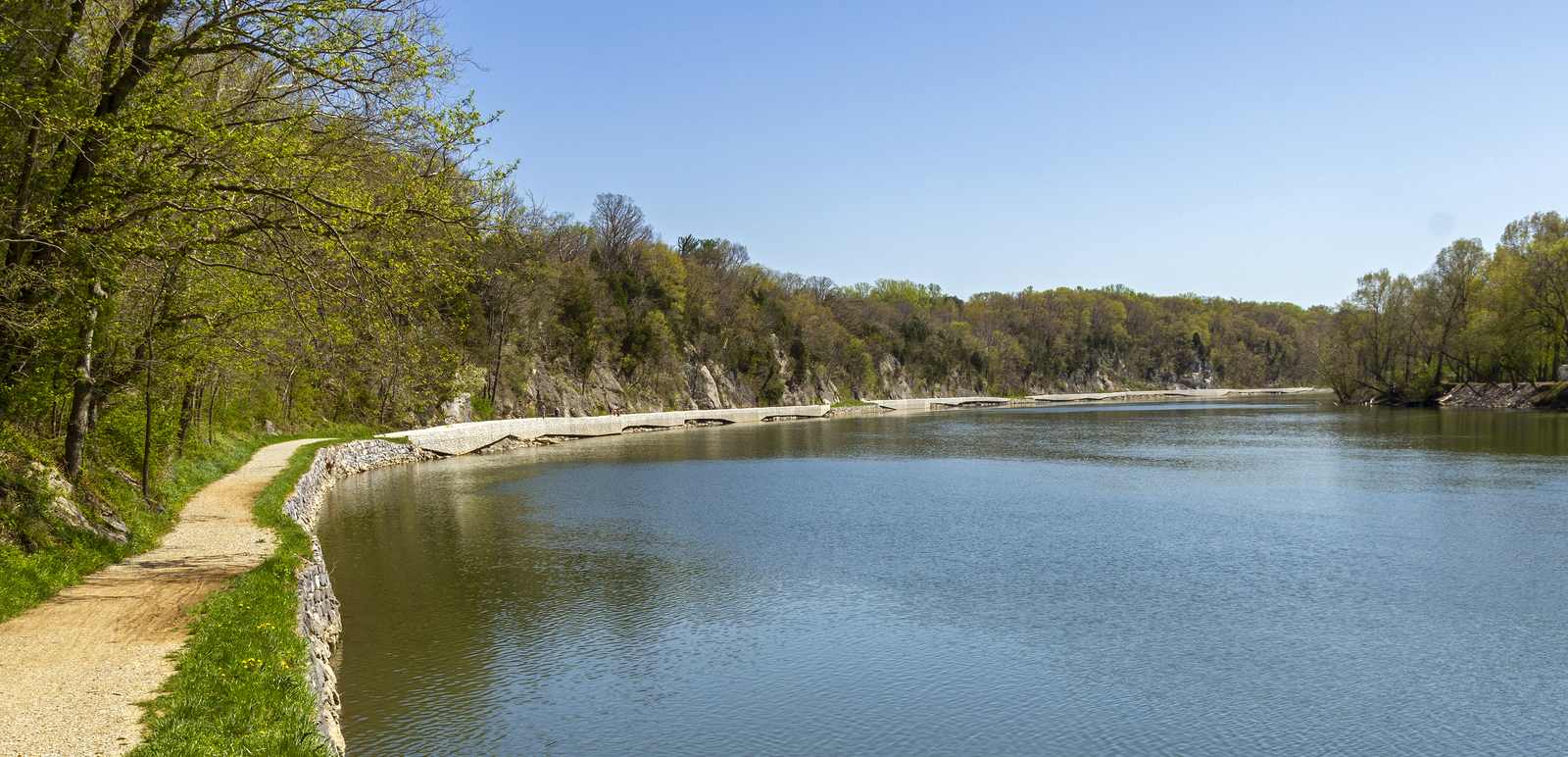
The non-tidal Potomac River forms Maryland’s southern boundary for over 200 miles, from Cumberland toward Washington, D.C., and DNR calls it Maryland’s most popular freshwater fishing destination. This guide covers what DNR says lives there, the walleye slot, the invasive flathead catfish and snakehead rules, the winter life-jacket law and how the river’s license reciprocity works. We use DNR’s Upper Potomac page and the 2026 Maryland Guide to Fishing and Crabbing.
The river and its fish
DNR describes a river with only two small hydro dams on the mainstem, Dams 4 and 5, with western sections that are cooler and have gravel, boulder, cobble and bedrock bottoms, and lower reaches with pools, glides and extensive submerged vegetation. The species it manages are smallmouth bass, largemouth bass, walleye, muskellunge and channel catfish.
Smallmouth bass. The smallmouth was first introduced to the river in 1854 and is the headline fish. DNR reports that reproduction has declined over the past decade, which it believes is due in large part to high flows in May and June, and that a supplemental stocking project began in 2019. We could not confirm that stocking is continuing. Survey results show that quality and preferred-size fish have increased over time and are well above the agency’s benchmark.
Walleye. Walleye were introduced through stockings that began in 1979 and are now distributed throughout the river, with the highest densities from Dam 5 downstream to Point of Rocks. DNR says they stay active through winter. For the slot rule, see below.
Muskellunge. DNR describes muskie as a relatively new addition to the river and links a state muskie program. We did not find size or limit figures on that page, so see the statewide non-tidal rule in the rules snapshot.
Channel catfish. DNR reports 40 to 60 channel catfish per electrofishing hour, with about three quarters of the population between 12 and 20 inches, and a population that has been fairly stable.
The walleye slot
From January 1 to April 15 the maximum harvestable walleye size is 20 inches, a 15 to 20 inch slot. The rest of the year the minimum is 15 inches. The daily limit is 5. Check the rules snapshot for the dates we verified.
Flathead catfish and snakehead
Flathead catfish are an invasive species that DNR first collected in 2012 and now finds from Dam 5 downstream to the District of Columbia. DNR documents a three-fold increase in relative abundance from 2016 to 2021 and a shift to larger fish, and says they can exceed 40 pounds. DNR asks anglers to remove and kill blue and flathead catfish rather than release them. There is no minimum size or creel limit, and it is illegal to release a live catfish into a different waterbody, with fines of up to $2,500 per fish. Northern snakehead (Chesapeake channa) also have no season or limit, and possessing one alive is illegal. Report illegal transport to the Natural Resources Police at 800-628-9944.
License and shared waters
Maryland’s non-tidal license covers the Maryland side. The guide’s reciprocal-license rules let West Virginia residents with a West Virginia license fish the Potomac mainstem opposite their shore, and let a Maryland resident with a non-tidal license fish the West Virginia and Virginia banks opposite Maryland. Reciprocity runs from waters’ edge to waters’ edge and does not include tributaries or fishing from shore.
Access and boating
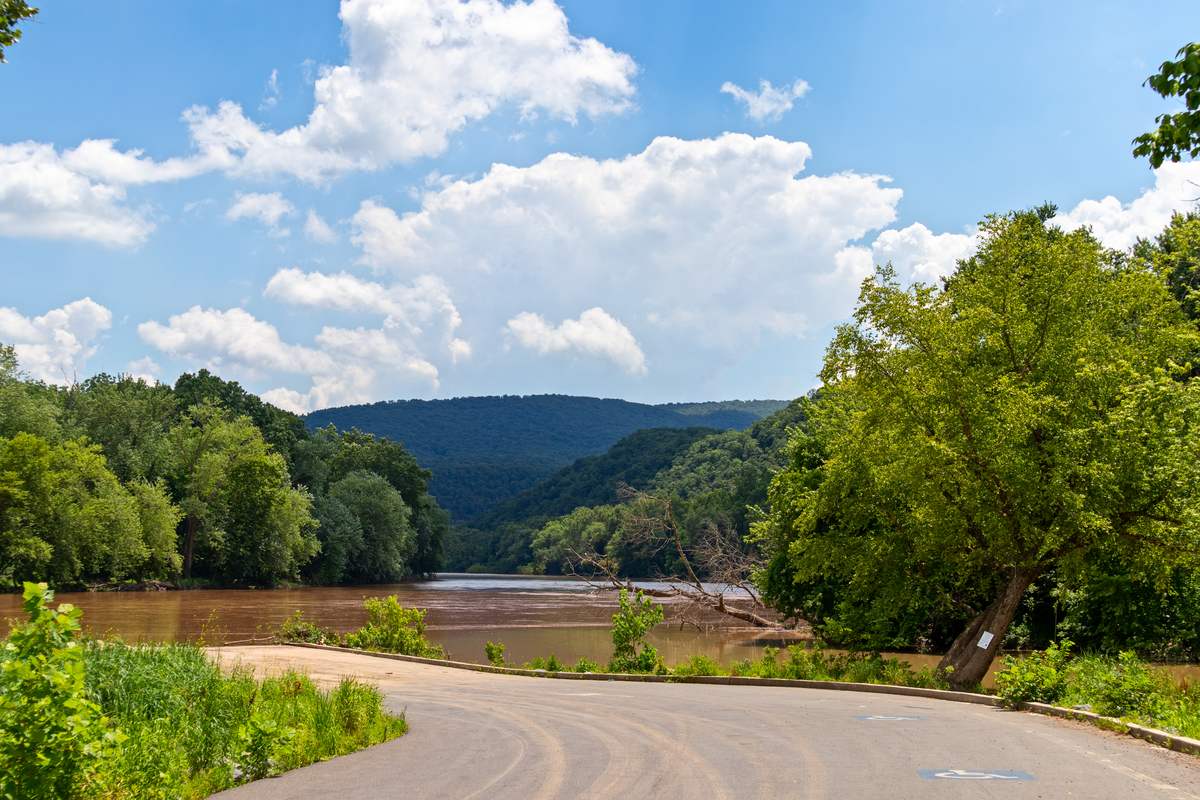
The C&O Canal National Historical Park parallels the river for 184.5 miles, with public access along the Maryland shoreline, and DNR lists many public boat ramps. The shallow, rocky river suits jet-drive boats or paddle craft. Water above the dams suits larger boats.
Tackle that suits it
A medium-light to medium spinning rod around 6 and a half to 7 feet with 6 to 10 pound line is the usual choice for smallmouth on tubes, jerkbaits and topwater. For walleye, jigs and minnows on a medium rod work. For flatheads, a heavy rod with strong line and cut bait suits the job. These are typical choices, not requirements.
What we could not confirm
DNR’s page still says supplemental smallmouth stocking would continue “through 2024,” and we did not find a newer statement. We also did not read current flow data, so use the hotlines and USGS sources in the rules snapshot. We are not describing access points by name beyond DNR’s general statements.
Related guides
See the walleye guide and the snakehead guide for statewide rules.
Dock Tales from this water
Nearby waters
Maryland Fishing License, Limits and Rules
More fishing guides for Maryland
Frequently asked questions
Do I have to wear a life jacket on the Potomac? +
From November 15 to May 15, yes: everyone aboard a vessel, raft or tube on the upper Potomac and its tributaries must wear an approved Type I, II, III or V life jacket.
Can I release a flathead catfish? +
DNR asks anglers to kill flathead and blue catfish. Releasing a live one into a different waterbody is illegal, with fines up to $2,500 per fish. There is no size or creel limit.
Sources
- Maryland DNR: Upper Potomac River (accessed November 1, 2026)
- 2026 Maryland Guide to Fishing and Crabbing (PDF) (accessed November 1, 2026)
- Maryland DNR invasive fish (accessed November 1, 2026)
Approximate location: Potomac River, Williamsport, MD.