
The Snakehead That Climbed Above Great Falls
Last verified:
By BCRods
Quick facts
- Found
- July 2015, canal above Great Falls
- First in Maryland
- Crofton pond, 2002
- Route
- Canal locks (DNR belief, not proven)
In July 2015, Maryland biologists found a northern snakehead in a canal above Great Falls on the Potomac River. Until then, the falls had looked like a barrier that would keep the fish downstream. This is what was reported, drawn from a news account and two agency pages, and what it asks of anglers.
The discovery
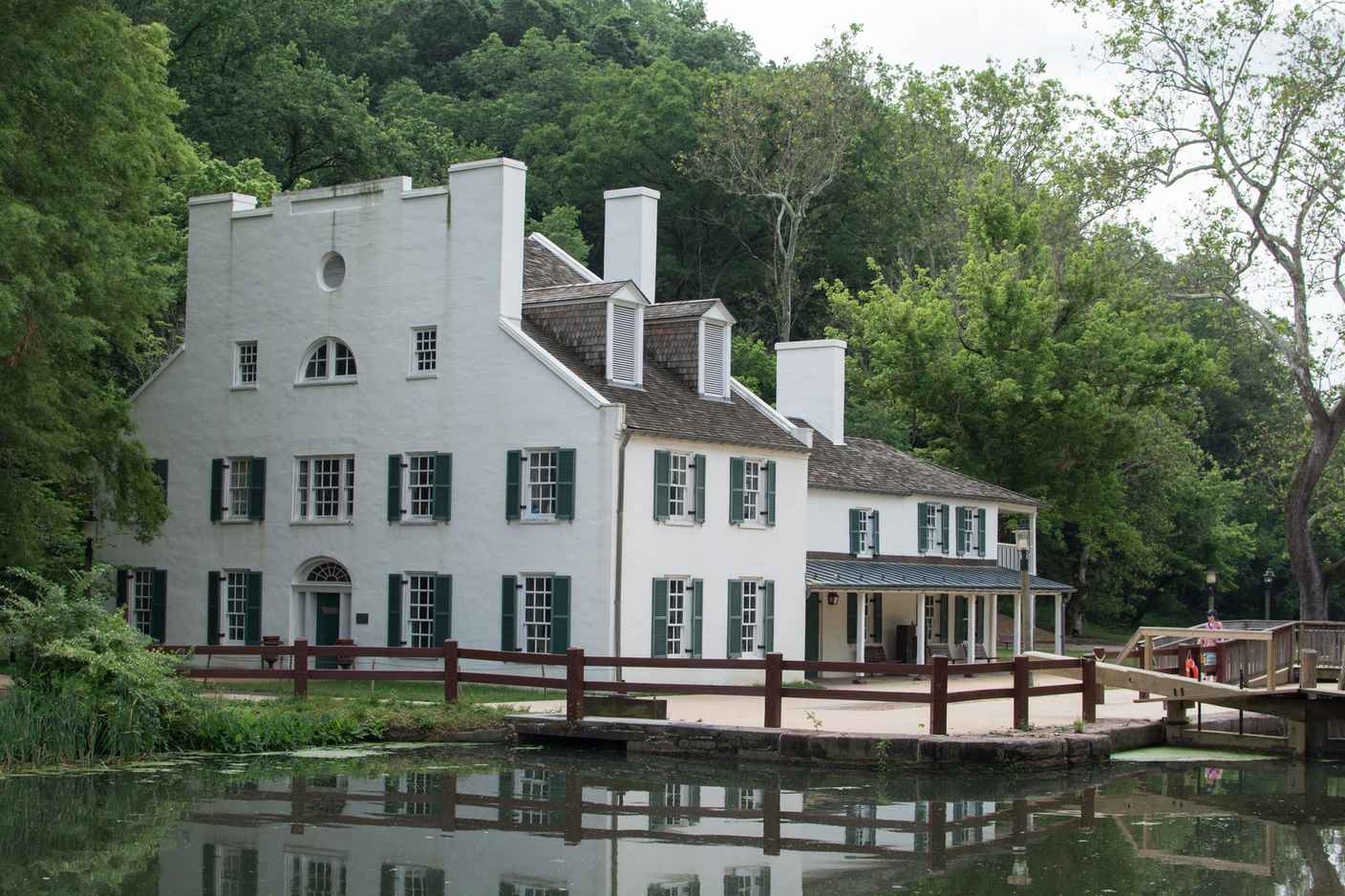
The Department of Natural Resources (DNR) found the fish in a canal above Great Falls in July 2015. Officials believed it had passed through the locks of the old C&O Canal. That route is DNR’s belief and not a proven path.
Snakeheads were first found in Maryland in a Crofton pond in 2002, after a pair was released there. The fish then spread through Maryland waterways. DNR said at the time that removal cannot eliminate the population, but that catching the fish could slow its spread, and it asked anglers to help.
Why it is remarkable
The waterfalls turned out not to be a lasting barrier. DNR also reports invasive flathead catfish in the Upper Potomac, first collected in 2012, with a tagging study started in 2019.
Connection to the waterway
The river above Great Falls and the C&O Canal are part of the fishery described in the Upper Potomac guide. Anglers there are asked to kill any snakehead and report it with a photo.
The Upper Potomac
The non-tidal Potomac runs through Allegany, Washington, Frederick and Montgomery counties, from Cumberland toward Washington, D.C., and it is shared with Virginia and West Virginia. DNR calls smallmouth bass the most sought-after gamefish here. They were introduced in 1854, and their reproduction has declined with high May and June flows. Walleye have been stocked since 1979, with the highest densities from Dam 5 to Point of Rocks, and muskellunge and channel catfish are also present.
DNR also reports invasive flathead catfish in the Upper Potomac, first collected in 2012, and fish that can exceed 40 pounds. Blue and flathead catfish should be killed, and live transport is illegal, with fines of up to $2,500.
Getting to the river
The C&O Canal National Historical Park parallels the Maryland shore for 184.5 miles, and the river has many public ramps. Because the river is shallow and rocky, DNR recommends jet-drive boats or paddle craft. Life jackets must be worn at all times from November 15 to May 15 unless the boat is anchored. The National Park Service says snakeheads are present in the Potomac, should not be released alive, and should be reported with a photo.
What anglers can take from it
Do not release a snakehead and do not move a live one. Learn what it looks like, kill it, photograph it and report it as DNR directs. The record fish in the Conowingo snakehead tale shows how large they can grow. More stories are in the Dock Tales index.
Sources and caveats
This tale uses a CBS Baltimore report (July 23, 2015), the DNR Upper Potomac page and the National Park Service C&O Canal fishing page. The news report and the agency pages agree. The canal-lock route is DNR’s belief, and we did not find a source that proves it. We did not reread the 2015 DNR announcement itself.
The water behind the story
More fishing guides for Maryland
Sources
- CBS Baltimore (July 23, 2015) (accessed November 2, 2026)
- Maryland DNR: Upper Potomac (accessed November 2, 2026)
- NPS C&O Canal fishing (accessed November 2, 2026)