
Smallmouth Bass Fishing in Maryland
Last verified:
By BCRods
Quick facts
- Non-tidal harvest
- June 16 to end of February, 12 inch minimum, 5 a day
- Catch and release
- Permitted at all times
- Tidal
- 15 inch minimum Mar 1 to Jun 15; 12 inch after; 5 a day
- Rod fit
- Medium-light to medium spinning, 6 ft 6 in to 7 ft
Rules snapshot
Largemouth and smallmouth bass, non-tidal water
Harvest from June 16 to the last day of February: 12 inch minimum, 5 a day in aggregate, 10 in possession, unless special regulations apply. Catch and release is permitted at all times. Bass cannot be used as bait. · 2026 Maryland Guide to Fishing and Crabbing, checked November 1, 2026
Largemouth and smallmouth bass, tidal waters
Open year round with a combined daily limit of 5. Minimum size is 15 inches from March 1 to June 15 and 12 inches from June 16 through the last day of February. Bass cannot be used as bait. · 2026 Maryland Guide to Fishing and Crabbing, checked November 1, 2026
This is not legal advice. Rules change, so confirm with the state agency before you fish.
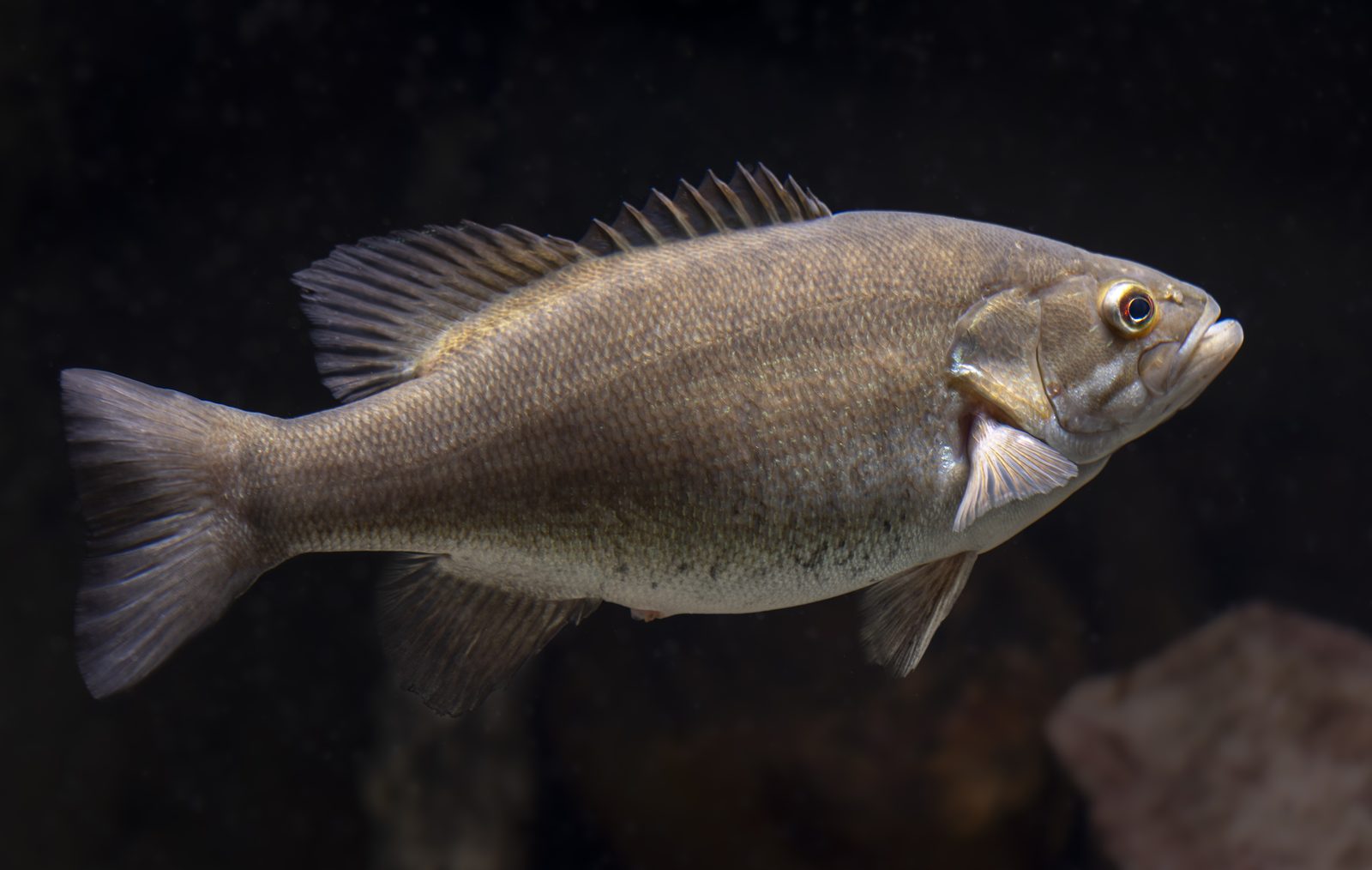
Smallmouth bass are Maryland’s most sought-after river gamefish, and the state’s rules protect them during the spawn by closing harvest from March through mid-June. This guide sets out the Maryland bass rules we verified from the 2026 Maryland Guide to Fishing and Crabbing, where smallmouth are found in the state according to DNR, and what has been happening to the Potomac population. For how to catch them, see the smallmouth how-to guide.
The Maryland rules
Non-tidal waters (rivers, streams, lakes). Harvest of largemouth and smallmouth bass is open from June 16 through the last day of February, with a 12 inch minimum, a daily limit of 5 in aggregate and a possession limit of 10, unless special regulations apply. Catch and release is permitted at all times, and bass cannot be used as bait.
Tidal waters. The tidal table allows a combined daily limit of 5 year round, with a 15 inch minimum from March 1 to June 15 and a 12 inch minimum from June 16 through the last day of February.
The rules snapshot above shows each rule with the date we checked it. DNR has also published a proposal about black bass tournaments, and its comment period ran alongside the Savage River proposal. We have not checked whether it was adopted, so look at DNR’s regulation changes page if you fish tournaments.
Where smallmouth are found
Upper Potomac River. DNR describes the river as Maryland’s most popular freshwater fishing destination and says smallmouth were first introduced in 1854 from the Youghiogheny River. Reproduction has declined over the past decade, which DNR believes is due in large part to high flows in May and June, and a supplemental stocking project began in 2019. Survey results show quality fish (11 inches and up) and preferred fish (14 inches and up) have increased over time and are well above DNR’s benchmark. Our Upper Potomac guide has the safety rules and license details.
Deep Creek Lake. DNR says the lake is known for abundant smallmouth bass. See the Deep Creek Lake guide.
Susquehanna River. The tidal table covers smallmouth below Conowingo Dam. We did not confirm where in the river anglers find them, so see the Conowingo Dam guide for the rules and safety.
What the flows mean for fishing
DNR’s reports tie smallmouth success to spring water. High flows in May and June kill eggs and fry, so a wet spring can mean a thin year class several years later. For anglers, flows also set the day: stable water is better than rising water, and the guide warns against wading when a river is above its normal level. Check USGS flow data and the hotlines in the Maryland guide before you go.
Rods and tackle
A medium-light to medium fast spinning rod around 6 and a half to 7 feet, with 6 to 10 pound line, covers most Maryland smallmouth water. Tubes, jerkbaits, small crankbaits and topwater are the standard lures, and crayfish and minnows are the standard bait. Fly anglers use a 6 to 8 weight with streamers and poppers. These are typical choices, not requirements.
Handling fish
Wet your hands, keep fights short and release fish that are guarding nests quickly. Avoid long handling in warm water.
State records
Maryland’s non-tidal smallmouth bass record is 8.3 pounds, caught by Gary Peters on October 4, 1974. The record in the Chesapeake division is 6.0 pounds, caught by Charles Janes on July 23, 1979. Records change, so check DNR’s list.
Rules that apply wherever you fish
- Bass cannot be used as bait.
- Catch and release is permitted at all times in non-tidal water, even while harvest is closed.
- Non-tidal harvest is closed from March 1 to June 15, and DNR’s reports link spring flows to the success of the year class.
- On the Potomac, wear a life jacket from November 15 to May 15 and treat the river as strong and unpredictable after rain. See the guide’s flow sources in the rules snapshot on the Upper Potomac page.
- Felt-soled waders are banned in Maryland, according to DNR.
License
You need a Maryland non-tidal license on freshwater and a tidal license or registration on tidal water. See the Maryland rules guide.
New to this fish? Read How to Catch Smallmouth Bass: Gear, Bait and Technique.
More fishing guides for Maryland
Frequently asked questions
When can I keep smallmouth bass in Maryland? +
In non-tidal waters harvest is open June 16 through the last day of February, with a 12 inch minimum and a combined limit of 5 a day. You can catch and release bass at any time.
Sources
- 2026 Maryland Guide to Fishing and Crabbing (PDF) (accessed November 1, 2026)
- Maryland DNR: Upper Potomac River (accessed November 1, 2026)
- Maryland DNR: Deep Creek Lake (accessed November 1, 2026)