
The River Closed in 1975: Kepone on the James
Last verified:
By BCRods
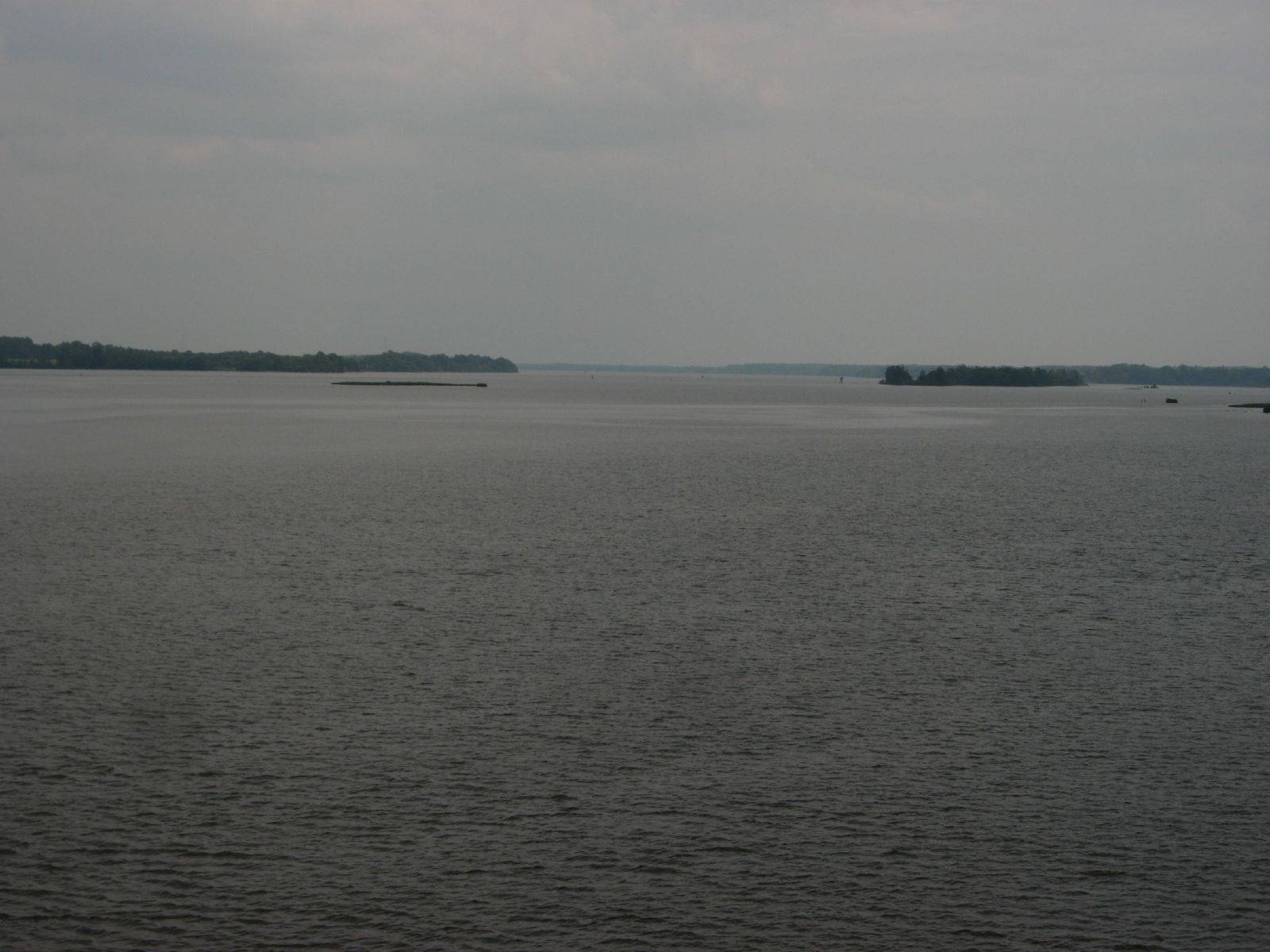
On December 17, 1975, Virginia’s governor, Mills Godwin, stood before reporters and announced that the James River was closed to fishing from the Richmond fall line to the Chesapeake Bay. He called it “a precautionary measure,” in effect until the state was satisfied there was no hazard to public health. The river stayed closed for years, and a consumption advisory for the James remains in place today. The story of how a pesticide made in a converted gas station in Hopewell reached the river explains why anglers still read the advisory before they keep a fish.
A pesticide, a small plant and a river
Kepone is the brand name for chlordecone, a white powder used to control insects. Allied Chemical began making it in Hopewell in 1966 and farmed out some production to other companies. One of them, Life Science Products, started making Kepone in February 1974 in a converted gas station stocked with second-hand machinery, run by two former Allied executives. At its peak in 1975 the plant turned out about 6,000 pounds of Kepone a day, around the clock.
Waste from the plant went into the city’s sewer system and, in some cases, into drains, pits on nearby land and the city landfill. The Library of Virginia’s account notes that much of the liquid eventually reached the James River, and that state regulators, who had not been told of the plant, did not know the scale of what was happening.
How it came to light
The discovery began with one worker. In June 1975 a man with uncontrollable shivering saw a local cardiologist, who suspected Kepone poisoning and sent samples to the federal Centers for Disease Control. The levels in his blood were so high that the CDC first worried the sample was contaminated. The Virginia Department of Health visited the plant, found workers with tremors and neurological problems, and the company agreed to close in late July.
Federal and state investigators eventually identified 76 workers with Kepone poisoning, 29 of them hospitalized, out of 149 who were examined. Tests of the river and its tributaries found high levels of Kepone in sediment, fish and shellfish. The federal Environmental Protection Agency published its results on December 16, and the governor announced the fishing ban the next day.
The closure and what followed
The Encyclopedia Virginia entry says the order closed the James to recreational and commercial fishing, and that the commercial fishing ban was not fully lifted until 1988. Virginia’s multi-million dollar seafood industry was hit hard, and even after the ban ended many consumers stayed wary of Virginia seafood. We did not find a source stating when recreational fishing reopened, so this page does not give a date for it.
The consequences reached well beyond the river. In 1976 Allied Chemical was held liable for violating federal environmental law and fined a record $13.24 million, which the court later reduced to $5 million in exchange for the company funding the Virginia Environmental Endowment with $8 million. That endowment still exists. Virginia passed a Toxic Substances Information Act and other “Kepone bills” in 1976, and the federal government passed the Toxic Substances Control Act the same year.
What it means for anglers today
A Kepone consumption advisory remains in effect for the James River. A 2017 study cited by Encyclopedia Virginia found Kepone still present in fish, at levels below the 0.3 parts per million that is considered dangerous to humans. The Virginia Department of Health publishes the current advisory, which also covers other contaminants such as PCBs, and it should be read before you keep any fish from the river. We could not get a clean read of the table for this page, so we are not quoting meal limits. The James River guide has the species, landings and rules for the river today, and the Virginia Department of Wildlife Resources now describes the tidal James as a nationally recognized largemouth bass and blue catfish fishery.
More of the stories behind Virginia waters are in the Virginia Dock Tales index.
The water behind the story
More fishing guides for Virginia
Sources
- Encyclopedia Virginia: The Kepone Environmental Disaster (accessed November 1, 2026)
- Library of Virginia: The Kepone Disaster at 50 (accessed November 1, 2026)