
Chesapeake Bay Bridge-Tunnel Fishing: Cobia, Redfish and Sheepshead
Last verified:
By BCRods
Quick facts
- Access
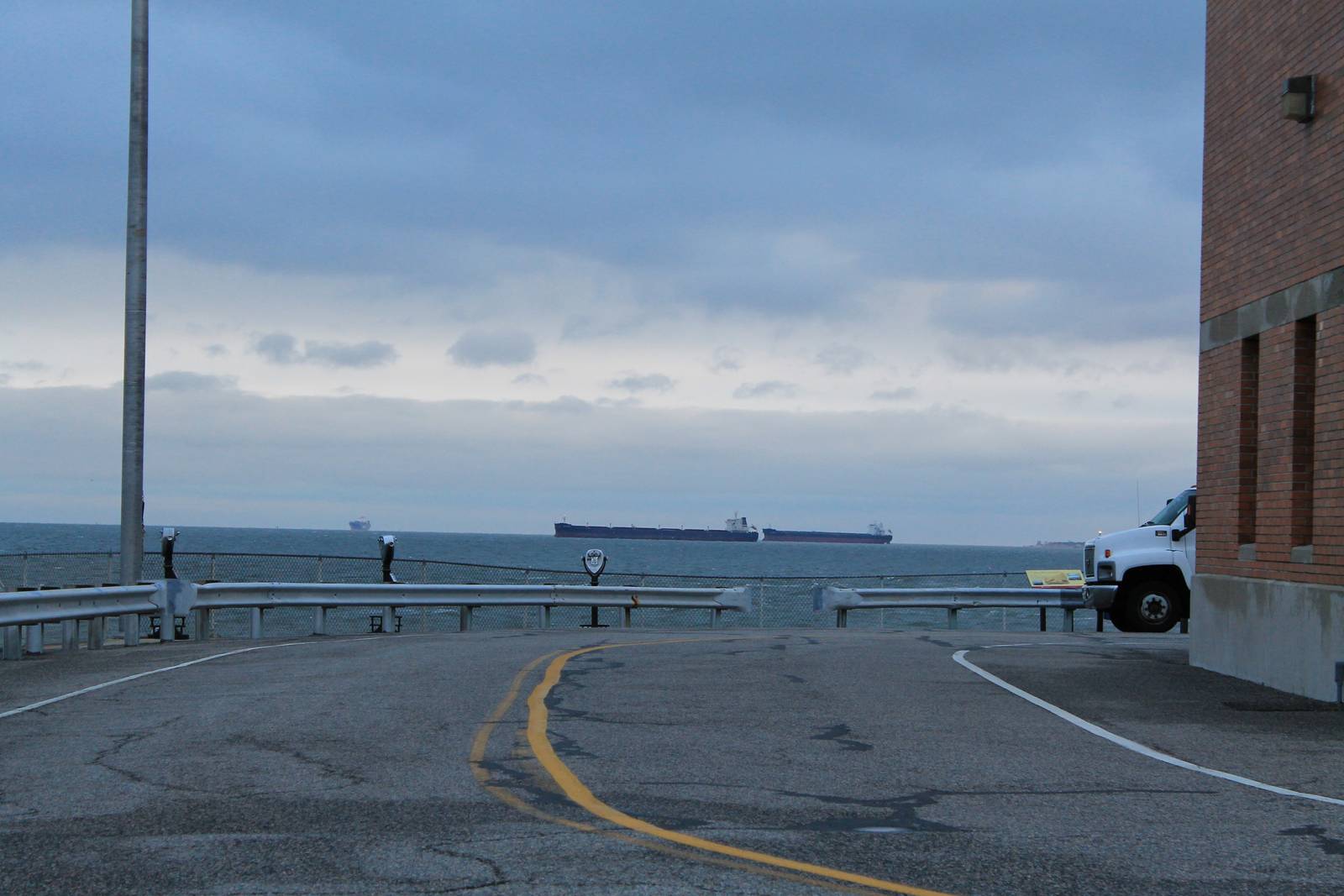
- Boat only; the Sea Gull pier has been closed since October 2017
- Cobia
- Season Jun 15 to Sep 20, one per person, 43 inches, no gaffing
- License
- Saltwater license or boat license; free FIP for unlicensed anglers 16 and older
- Safety
- Open water, tidal current and ship traffic at the Bay mouth
Rules snapshot
Chesapeake Bay Bridge-Tunnel fishing pier status
Check pier status with the Chesapeake Bay Bridge-Tunnel District at (757) 331-2960. Chesapeake Bay Bridge-Tunnel District
Cobia
Season June 15 to September 20. One cobia per person, at least 43 inches total length. Gaffing or attempting to gaff a cobia is unlawful. Boats with a shared hold have a vessel limit set by the code. · 4VAC20-510 (Virginia Administrative Code), checked November 1, 2026
Red drum, size
Recreational red drum must be at least 18 inches and no more than 26 inches total length. · 4VAC20-1400 (Virginia Administrative Code), checked November 1, 2026
Striped bass, Chesapeake Bay and tributaries
Spring and summer season May 16 to June 15; fall season October 4 to December 31. One fish a day, 19 to 24 inches total length, in both seasons. · 4VAC20-252 (Virginia Administrative Code), checked November 1, 2026
Fisherman Identification Program (FIP)
Saltwater anglers 16 and older who do not hold a Virginia saltwater license must register for a free number each year. Anglers who fish for anadromous or marine species in fresh water must register too. Registration is online through VMRC or by phone at (757) 247-2200. · Virginia DWR freshwater regulations, checked November 1, 2026
This is not legal advice. Rules change, so confirm with the state agency before you fish.
Rules: VMRC (saltwater)
The Chesapeake Bay Bridge-Tunnel carries U.S. 13 across the mouth of the Bay between Virginia Beach and Virginia’s Eastern Shore. According to Virginia Places, it opened in 1964, crosses 17.6 miles of open water and rests on thousands of concrete pilings, with four man-made islands built from granite boulders to anchor its two tunnels. Anglers care about it for a simple reason: pilings, rock and channel edges at the mouth of a big estuary hold fish, and cobia, red drum and other saltwater species are caught around the structure by boat. This guide covers what is confirmed about access and the rules that apply, and it is honest about what is not. For the shore side of the lower Bay and the ocean, see Virginia Beach fishing.
Access: boat-only for now
That makes the bridge-tunnel a boat fishery today. We could not re-read the district’s website for this update because it blocks automated requests, so the status above is the one recorded on October 24, 2026, and we have not described any reopening date. A state trail page has said the northernmost island may need advance permission and a fee, while the district’s own page did not mention a fishing permit; because the two disagree, the safe advice is to contact the district. Never stop or fish from the roadway, the shoulders or the island causeways, which are not fishing areas.
What the structure holds
Fish are drawn to anything that breaks current and gives baitfish cover, and the bridge-tunnel has plenty: pilings, rock rings around the islands and the edges of the shipping channels that pass between the spans. Charter and magazine accounts link the structure to cobia in summer, bull red drum in spring and fall, and sheepshead, spadefish and black drum on the pilings and rocks. Those accounts are the only sources we found for specific timing and tactics, they are years old, and they come from tourism and trade writing rather than from agencies, so we are not turning them into a calendar. If you want to plan around a run, ask a local tackle shop or a charter captain what is biting this week.
Cobia: the rules come first
Cobia are the species most associated with the area, and the rules are strict. Virginia’s season for recreational cobia runs from June 15 through September 20, and no cobia may be kept outside those dates. The limit is one per person, the minimum is 43 inches total length, and gaffing or attempting to gaff a cobia is unlawful, so a landing net and a good hand on the leader matter. The code also sets a vessel limit for boats that keep fish in a shared hold. Read the current text in the rules snapshot before you leave the dock.
Cobia are a warm-water, structure-loving species that move north into the Bay as it warms in June. Scientific profiles from the Atlantic States Marine Fisheries Commission and NOAA describe them around wrecks, buoys, pilings and floating objects, and note that they follow rays and other large animals. Fish of 6 feet and 100 pounds are possible. Experienced anglers sight-cast to fish they can see near buoys and rays, and they also anchor and fish live bait or chum in a slick, but those methods come from general species guidance rather than a Virginia agency. For the how-to, see how to catch cobia.
Other rules around the Bay mouth
Red drum must be 18 to 26 inches. Striped bass seasons in the Bay and the coastal area are different, so the fish you are allowed to keep depends on which side of the line you are fishing, and the text we read was last amended in April 2024.
Saltwater anglers 16 and older who do not hold a Virginia saltwater license must register for the free Fisherman Identification Program number. Anglers on a licensed boat need the boat license or their own, and the Virginia rules guide explains the difference.
Tackle that suits the structure
Anglers working pilings and rock for cobia and bull drum typically use a heavy spinning or conventional rod in the 7 to 8 foot range, a reel with a strong drag and plenty of line, braid with a heavy fluorocarbon leader, and bucktail jigs of a few ounces or live bait on circle hooks. For sheepshead and spadefish on the pilings, a lighter rod and a small hook with cut bait is the common approach. A custom rod built for the weight of jig you throw and the fish you expect, with a butt that stands up to a long fight, makes a real difference here. Those figures are typical guidance, not requirements.
Check before you go
The pier status, island rules and launch locations are the unconfirmed parts of this page. The district’s phone is (757) 331-2960, and the rules and licenses guide links to VMRC for the current seasons.
Fish you can target here
Dock Tales from this water
Four Islands Built From Mountain Granite
The Bay Bridge-Tunnel islands were built from 2 to 4 ton granite boulders hauled from Lunenburg County. How they became fishing structure.
A 109-Pound Cobia at York Spit
A 109-pound cobia from York Spit in June 2006 broke Virginia's long-standing cobia record. The catch and what it says about summer cobia.
Nearby waters
Virginia Fishing License, Limits and Rules
More fishing guides for Virginia
Frequently asked questions
Can you fish from the Chesapeake Bay Bridge-Tunnel? +
The Sea Gull fishing pier has been closed to the public since October 2017 and no reopening date has been published. Today the fishery is by boat. Call the district at (757) 331-2960 for the latest.
When is cobia season in Virginia? +
June 15 through September 20, one fish per person, at least 43 inches, and no gaffing.
Sources
- Virginia Administrative Code, 4VAC20-510 (cobia) (accessed November 1, 2026)
- Virginia Administrative Code, 4VAC20-252 (striped bass) (accessed November 1, 2026)
- Virginia Places: Chesapeake Bay Bridge-Tunnel (accessed November 1, 2026)
- ASMFC: cobia (accessed November 1, 2026)
Approximate location: Chesapeake Bay Bridge-Tunnel, VA.