
How to Catch Cobia: Gear, Bait and Technique
Last verified:
By BCRods
Quick facts
- Where
- Buoys, pilings, wrecks and channel edges; often with rays
- Best seasons
- Mid-June through September in Virginia
- Rod
- 7 to 8 ft medium-heavy to heavy, spinning or conventional
- Line
- 30 to 65 lb braid with a 40 to 80 lb fluorocarbon leader
Cobia are powerful, curious warm-water fish that show up along the Mid-Atlantic coast every summer, and they are among the most rewarding things a boat angler can hook near structure. They are also tightly regulated, so this guide covers how to recognize one, where and when to look, the tackle and baits that work, three techniques, and how to handle a fish that is much stronger than its size suggests. Seasons, size and limits differ by state and change by notice, so always check the current rules where you fish before you keep one.
Know the fish
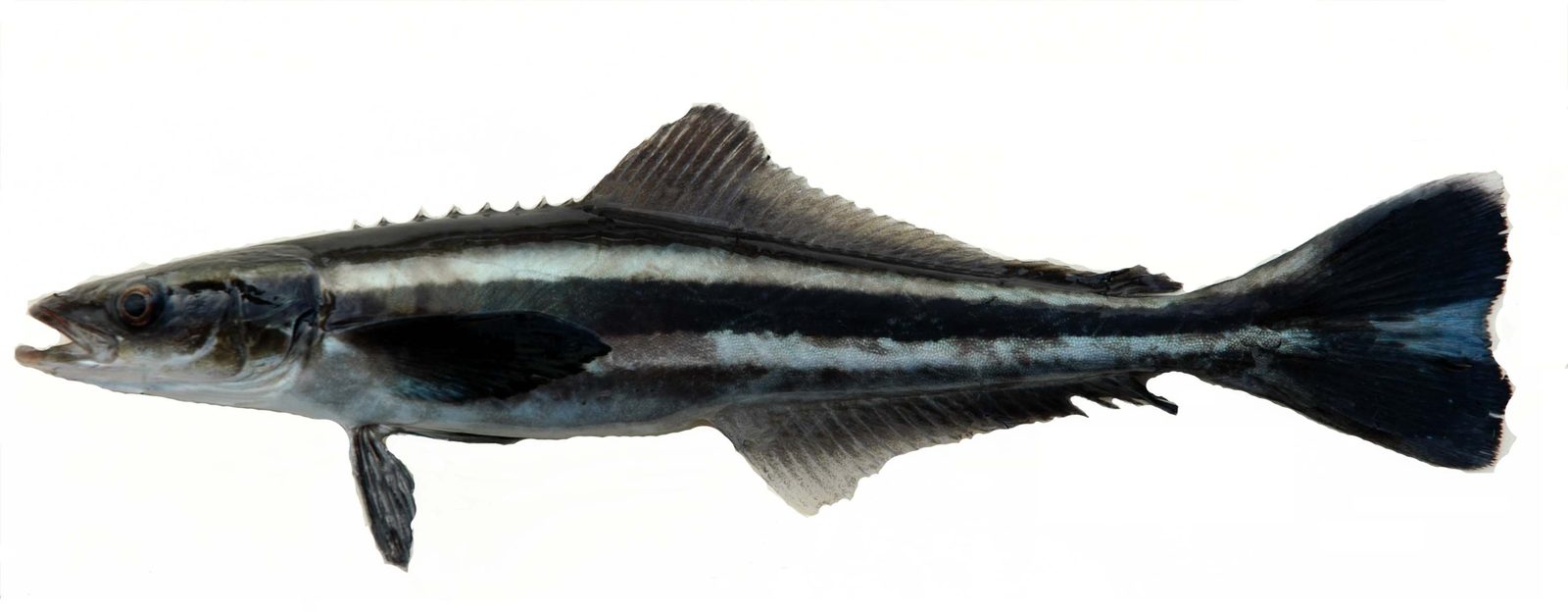
A cobia is long and torpedo-shaped, brown with a dark stripe along each side, with a broad flat head, a lower jaw that sticks out past the upper and a low, spiny first dorsal fin. At a glance, a cobia swimming near the surface can look like a remora or a small shark, but it has no sucker disc on its head. Adults commonly reach 6 feet and 100 pounds, and females grow larger than males. They feed mostly on crabs and other crustaceans and on fish, and they spawn in the warm months. Atlantic cobia winter in the south and move north as the water warms, which is why they are a summer fish in the Chesapeake region.
Where to look
Cobia relate to structure and to other animals. Scientific profiles from the Atlantic States Marine Fisheries Commission and NOAA describe them around live bottom, wrecks, buoys, channel markers, pilings and floating weed or debris, and swimming with rays, sharks and turtles. Hard bottom, wrecks and buoy chains are the first places to check, along with the edges of channels. They sit from the surface to well over 40 feet down and prefer warm, clean water, so the first fish arrive as the bay warms in June.
Many anglers watch for the dark shape of a cobia following a ray or lazing under a buoy. A pair of polarized glasses and a high sun make that kind of sight-fishing far easier, and calm seas help.
Tackle that fits
A medium-heavy to heavy rod of 7 to 8 feet, spinning or conventional, handles both the weight of a bucktail and the power of a fish that makes long runs. Match it to a reel with a strong drag and capacity for plenty of line, such as a 6000 to 8000 size spinning reel or a 30 to 50 pound class conventional reel. Braid in the 30 to 65 pound range with a 40 to 80 pound fluorocarbon leader is a common arrangement, with a heavier leader around pilings and rock. Sizes of hook and bait vary by day, so use these as a starting point, not a requirement.
A custom rod for this fish has a sensitive tip for casting jigs, a strong butt for a fish that fights hard at the boat, abrasion-resistant guides for a heavy leader and a handle comfortable enough for a long fight. That is the kind of build that suits a boat angler who plans to fish structure all summer.
Baits and lures
Live eels are the traditional cobia bait, hooked through the lips on a circle hook, usually in the 7/0 to 9/0 range, on a short leader and fished near the surface. Live menhaden or spot, crabs and fresh cut bait also work, and chum draws fish into a slick. For lures, bucktail jigs of 2 to 4 ounces, large soft plastics and jigs are the standard choices. Bright colors work in clear water and dark ones in stained water. A fly rod and a large streamer can work for sight-casting, but it is rare.
Three techniques
Sight-casting. Scan buoys, channel markers and rays from a stable boat. Cast ahead of the fish so the lure or eel lands softly, let the fish see it and keep the rod ready. Cast past a fish and retrieve the lure into its view with a slow hop.
Chumming. Anchor up-current of structure and hang a chum bag. Float baits back through the slick and fish them near the surface. Fresh bait outperforms old.
Jigging. Work a bucktail around pilings, buoys and structure. Hold tight when a fish hits, because a cobia can pull hooks if it gets slack.
Seasons, tides and weather
Cobia arrive in late spring and are in their prime through the summer, then move south as the water cools. A moving tide improves a chum slick, and calm seas and bright sun help you see fish. Early and late in the day can be productive, particularly on calm mornings. In winter they are absent from the Mid-Atlantic.
Handling and conservation
Cobia are strong, and an unprepared angler can lose a fish or get hurt. Keep a net ready, stay clear of the tail and the hooks, and hold the fish with a wet towel or gloves. Do not gaff a cobia where it is illegal, which includes Virginia. Respect the minimum size and the possession limit, and release undersize or extra fish promptly, with wet hands and minimal air time. Keep a fish only if you will eat it. Never lift a large cobia by the jaw alone.
Common mistakes
Fishing too early in the season, using a leader that is too light around structure, and bringing a green fish into the boat too soon are the usual errors. If the bites are not coming, look for fresh rays, buoys and tide lines, try chum, switch to live eels and fish early or late in calm water. Learn to read a ray’s wake, keep a bucktail rigged on a spare rod, and work with a partner who can net or lip-grip the fish safely.
By state
Virginia’s lower Bay and the bridge-tunnel are the best-known cobia grounds in this guide. See Chesapeake Bay Bridge-Tunnel fishing for the Virginia season, size and gaffing rule and the status of the closed pier. Maryland also has a cobia season and size limit; see the Maryland guide for details.
Frequently asked questions
What is the best bait for cobia? +
Live eels on circle hooks are the classic choice. Live menhaden, crabs, cut bait and bucktail jigs of 2 to 4 ounces also work.
Can you gaff a cobia? +
Not in Virginia, where it is unlawful. Use a net and handle the fish carefully.
Sources
- ASMFC cobia profile (accessed November 1, 2026)
- NOAA Fisheries: cobia (accessed November 1, 2026)