
How to Catch American Shad: Gear, Bait and Technique
Last verified:
By BCRods
Quick facts
- Where
- Rivers during the spring run: bends, pool heads and current seams
- Best seasons
- Spring, as the river warms
- Rod
- 7 to 9 ft medium-light spinning, or 5 to 6 wt fly
- Lures
- Shad darts, small spoons and spinners
American shad are silver, herring-family fish that leave the ocean each spring to spawn in East Coast rivers. They fight hard on light tackle, jump and run, and for a few weeks they are one of the most popular fish on the Delaware River. Many anglers release most of what they catch. This guide covers how to recognize shad, where to look, the light tackle and small lures that work and how to handle a fish you plan to release. Rules differ by state, so always check your state’s current guide.
Know the fish
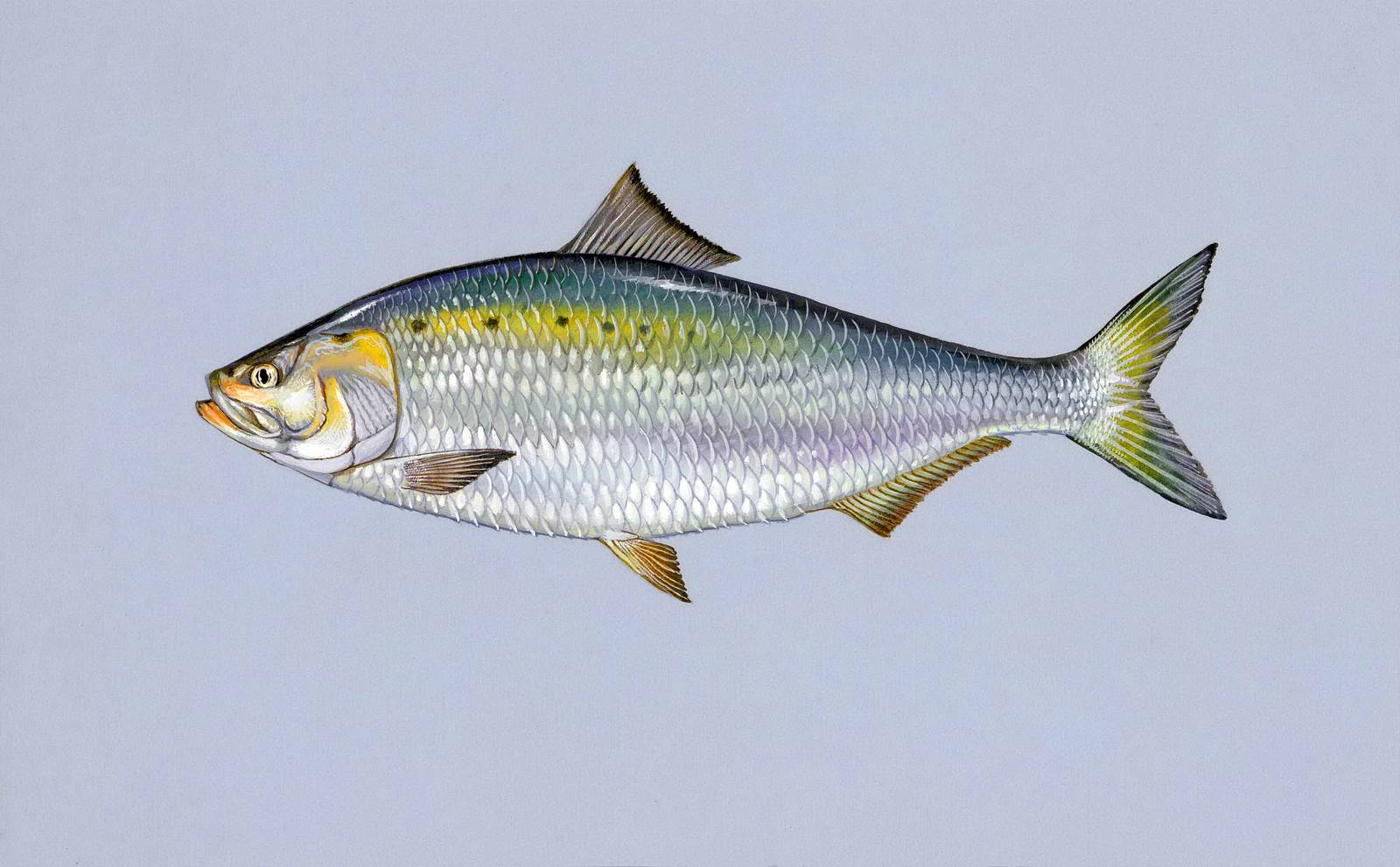
An American shad is a deep-bodied, silvery fish with a dark spot behind the gill cover, often followed by a row of fainter spots. It has a deeply forked tail and a thin, easily torn mouth, which is why it is called the “poor man’s salmon” for its fight and why hooks pull out. The hickory shad and the river herring are close relatives with their own rules. In New Jersey, only the American shad may be kept, and only on the Delaware River. See the New Jersey shad guide.
What they do
Shad spend most of their lives at sea and return to the river where they were born to spawn. They move upriver in groups as the water warms, travel several miles a day and stop to rest in slower water. A state fisheries study at Lambertville, New Jersey found that passage was greatest during periods of reduced flow and that most fish passed in daylight. Anglers are targeting fish that are not feeding aggressively, so they trigger a strike rather than offer food.
Where to look
Look where the current funnels fish into a narrow lane: river bends, the heads of pools, the edges of channels and the seams behind rocks and islands. A writer for OnTheWater describes shad holding where the river narrows or the channel forces fish into a smaller area. Fish tend to be in the current seams, not in the slack water, and they often hold near the bottom.
Tackle that fits
Rod. A 7 to 9 foot medium-light spinning rod gives you reach and a soft tip that cushions the thin mouth.
Reel and line. A 2500 to 3000 spinning reel with 6 to 10 pound line. A leader of 8 pounds is common for darts.
Fly gear. A 5 to 6 weight fly rod with a sink-tip or a full sinking line gets flies down to the fish.
These are typical setups, not requirements.
Baits and lures
The standard lure is the shad dart, a small jig head with a tail in chartreuse, white, pink or green. An OnTheWater article describes quarter-ounce darts in chartreuse and green. Small spoons and spinners also work. On a fly rod, small shad flies in bright colors and tied sparsely are the usual choice. Most anglers fish artificial lures, since shad do not feed in the river.
Three techniques
Dart under a split shot. Cast upstream and across, let the dart sink as it drifts, then keep it near the bottom as it swings below you. An OnTheWater writer says keeping the dart near the bottom is key, and that bigger, brighter darts suit high stained water and smaller, brighter ones suit low clear water.
Two-lure rig. Some anglers fish two darts on a short dropper so they can cover two depths. Check your state’s hook and rig rules first.
Swing the fly. Cast across the current with a sinking line, let the fly swing and hold it near the bottom.
Seasons and conditions
Timing follows water temperature. The fish begin to arrive when the river warms to around 50 degrees, and the run moves upriver from there, so anglers farther north see the fish later. A 2023 OnTheWater article places the first Delaware River shad sometime in March and the run lasting through June. Water level matters. A rising, muddy river slows the bite, and falling or stable water is better.
Shore and boat
Most shad are caught from shore or while wading, and many river access points are public. A boat lets you reach pools that are hard to wade, but it adds regulation and safety needs, and some anglers fish from an anchored boat above a pool.
Common mistakes
- Fishing slack water instead of current seams.
- Letting the dart ride high in the water.
- Using a heavy hook set, which tears the thin mouth.
- Playing a fish too long, especially in warm water.
- Ignoring the river rules for your state and the stretch you are fishing.
Expert tips
Change the color and weight before you move. Shad often respond to a shift in dart color. Keep the line tight on the swing so you feel the soft take. If you plan to release the fish, use barbless or crimped hooks.
Handle fish with care
Wet your hands, keep the fish in the water as much as possible and release it facing the current so it can recover. Shad are delicate, and the OnTheWater writer notes that release mortality rises in warm water, so some anglers stop fishing for them later in the season. Do not drag a fish across rocks, and do not hold it out of the water for long photos.
Shad in New Jersey
New Jersey allows shad fishing on the Delaware River only, with a limit of two a day, and prohibits taking American shad anywhere else in the state. Hickory shad and river herring are closed. The Delaware River guide covers the river, and the rules guide has the license details, since a license from either New Jersey or Pennsylvania is valid on the main stem.
Build the rod to the water
A custom rod can be built for how you fish, from a long, soft-tipped spinning rod for darts to a fly rod for the swing. Tell us where you fish and what you target.
In Pennsylvania
On the Delaware River in Pennsylvania, shad are two a day on the river itself but catch and release in all its tributaries, and a free saltwater registry is required below Trenton Falls. It is unlawful to take shad from the Susquehanna. See the tidal Delaware guide.
Frequently asked questions
What is the best lure for American shad? +
A small shad dart in chartreuse, white or pink, fished near the bottom in the current.
Can I keep a shad? +
Rules vary by state. New Jersey allows two a day on the Delaware River only.
Sources
- On The Water: American shad on the Delaware River (2023) (accessed November 2, 2026)
- NJ Division of Fish and Wildlife: The American shad spawning run (2001 data) (accessed November 2, 2026)
- eRegulations New Jersey: Delaware River (accessed November 2, 2026)