
Fishing the Susquehanna Flats: Striped Bass at the Head of the Bay
Last verified:
By BCRods
Quick facts
- Striped bass
- Catch and release in Jan-Mar, closed Apr 1-May 31 above the Abbey Point-Worton Point line and all of August (2026 seasons)
- Open harvest (2026)
- June 1-July 31 and Sept. 1-Dec. 5: 1 fish, 19 to 24 inches
- Other fish
- White perch (no limit), yellow perch (9 in, 5 a day), tidal bass, catfish
- Rod fit
- Medium-heavy spinning for stripers; light spinning for perch
Rules snapshot
Chesapeake Bay striped bass: the rules that stay the same
From the 2026 tables: 1 fish per person per day, 19 to 24 inches, in open periods. All of August is closed and attempting to catch striped bass is illegal then. December 6 to 31 and January and February are catch-and-release only. Striped bass must be landed whole on tidal water (no cut up or filleted fish aboard a boat), you may not cull, snag, gaff or use a cast net to remove one, you may not use more than two hooks or two sets of hooks per rod, and you may not possess striped bass while fishing the Bay or its tidal tributaries from midnight to 5 a.m. Striped bass may not be used as bait, and fishing by any means, including catch-and-release, is illegal in designated spawning areas from March 1 to May 31. · 2026 Maryland Guide to Fishing and Crabbing, checked November 1, 2026
Largemouth and smallmouth bass, tidal waters
Open year round with a combined daily limit of 5. Minimum size is 15 inches from March 1 to June 15 and 12 inches from June 16 through the last day of February. Bass cannot be used as bait. · 2026 Maryland Guide to Fishing and Crabbing, checked November 1, 2026
White perch, yellow perch, catfish, walleye and pickerel, tidal waters
White perch: no minimum size if caught by hook and line (8 inches with other gear) and no creel limit. Yellow perch: 9 inches, 5 a day. Catfish: no size or creel limit. Walleye: 15 inches, 5 a day. Chain pickerel: 14 inches, 10 a day, May 1 to March 14. · 2026 Maryland Guide to Fishing and Crabbing, checked November 1, 2026
Shad, river herring and sturgeon
American shad, hickory shad, alewife herring, blueback herring and Atlantic and shortnose sturgeon are closed in the Chesapeake Bay and its tidal tributaries. In non-tidal water, shad and herring are also closed, with catch-and-release permitted at all times. · 2026 Maryland Guide to Fishing and Crabbing, checked November 1, 2026
Blue and flathead catfish
It is illegal to transport live snakehead, blue catfish or flathead catfish into another body of water. DNR asks anglers to report blue or flathead catfish with a photo using the Maryland Invasive Fish Tracker. · Maryland DNR invasive fish, checked November 1, 2026
Tidal and non-tidal water on the Susquehanna
DNR lists Conowingo Dam at U.S. Route 1 as the dividing line on the Susquehanna River. Downstream of the dam, tidal regulations apply and the Chesapeake Bay and Coastal Sport Fishing License or free Saltwater Angler Registration is the relevant authorization; upstream, non-tidal regulations apply. · 2026 Maryland Guide to Fishing and Crabbing, checked November 1, 2026
Fish consumption advisories
Fish consumption advisories apply on many Maryland waters. Check the Maryland Department of the Environment advisory list before you keep fish. Maryland Department of the Environment fish consumption advisories
This is not legal advice. Rules change, so confirm with the state agency before you fish.
The Susquehanna Flats is the wide, shallow stretch where the Susquehanna River meets the head of the Chesapeake Bay, and it is one of Maryland’s best-known places to fish for striped bass. It is also one of the most regulated. This guide explains the Flats-specific striped bass calendar, what else you can catch there, the rules that cover the tidal river, and what gear suits it. It uses the 2026 Maryland Guide to Fishing and Crabbing and notes where we could not confirm something.
What the Flats rules are
DNR treats the Flats, the lower Susquehanna River and the Northeast River as their own striped bass management area, with a table that differs from the rest of the Bay. The key points for 2026 were:
- January and February: catch and release only.
- March: catch and release only on the Flats upstream of a line from Sandy Point to Turkey Point, on the Susquehanna River below a line from the Susquehanna State Park boat ramp at Lapidum to Twin Rocks to Tomes Wharf in Port Deposit, and on the Northeast River. Stinger hooks are prohibited and trolling requires barbless hooks.
- April and May: all waters upstream of a line from Abbey Point to Worton Point are closed to striped bass fishing, and attempting to catch striped bass is illegal.
- June, July and September through December 5: open, one fish per person per day, 19 to 24 inches.
- August: closed to all striped bass fishing.
- December 6 to 31: catch and release only.
The full table, with the main Bay beside it, is on the Maryland striped bass guide. These are 2026 dates. DNR sets the next season separately, so check DNR before a spring trip.
Other fish in the tidal Susquehanna
Striped bass get the attention, but the tidal river and the upper Bay hold several other fish with simple rules.
- White perch: no minimum size if caught by hook and line and no creel limit.
- Yellow perch: 9 inches and 5 a day. The state yellow perch record for the Chesapeake is a 2.3 pound fish from the lower Susquehanna River in February 2025.
- Largemouth and smallmouth bass: open year round with a daily limit of 5, with a 15 inch minimum from March 1 to June 15 and a 12 inch minimum from June 16 through February.
- Catfish: no size or creel limit. Blue and flathead catfish are invasive, and it is illegal to move them live to another water. The state flathead record, 57 pounds, came from the Lapidum boat ramp on the Susquehanna in 2020.
- Shad and herring: American shad, hickory shad, alewife and blueback herring are closed in tidal water.
The specific limits are in the rules snapshot above.
Access
The 2026 guide mentions the Susquehanna State Park boat ramp at Lapidum and Port Deposit as reference points for the striped bass lines. We have not confirmed ramps, parking, fees or hours at Havre de Grace, Lapidum, Port Deposit or Elk Neck, so we are not describing them. Check with Maryland State Parks before you launch.
Tackle that suits it
Medium-heavy spinning gear is the usual choice for striped bass on the Flats, with bucktails, soft plastics and topwater plugs. A rod around 7 to 7 and a half feet that casts 1 to 2 ounces is a common match. For white perch and yellow perch, light spinning gear with small jigs, spinners or bait is plenty. Hook rules matter: Maryland requires circle hooks for striped bass with certain baits, so read the rules snapshot before you rig up.
Eating the fish
Maryland has fish consumption advisories on waters in the Susquehanna and the Bay. We could not read the Department of the Environment’s tables, so we are not publishing advisory figures. Check the state advisory list before you keep fish.
Related guides
Maryland’s coast and Eastern Shore have their own pages: see the Eastern Shore guide. The rules page covers license questions: Maryland license and rules.
Nearby waters
Maryland Fishing License, Limits and Rules
More fishing guides for Maryland
Frequently asked questions
When is striped bass season on the Susquehanna Flats? +
In 2026 it was open June 1 to July 31 and September 1 to December 5, with one fish a day between 19 and 24 inches. January to March and December 6 to 31 were catch and release only, April and May were closed upstream of the Abbey Point-Worton Point line, and August was closed. DNR sets each year separately.
Is it legal to target striped bass in August in Maryland? +
No. In 2026 DNR closed all areas of the Bay to striped bass fishing for the month and said attempting to catch them is illegal.
Sources
- 2026 Maryland Guide to Fishing and Crabbing (PDF) (accessed November 1, 2026)
- Maryland striped bass rules (accessed November 1, 2026)
- Maryland DNR fishing license page (accessed November 1, 2026)
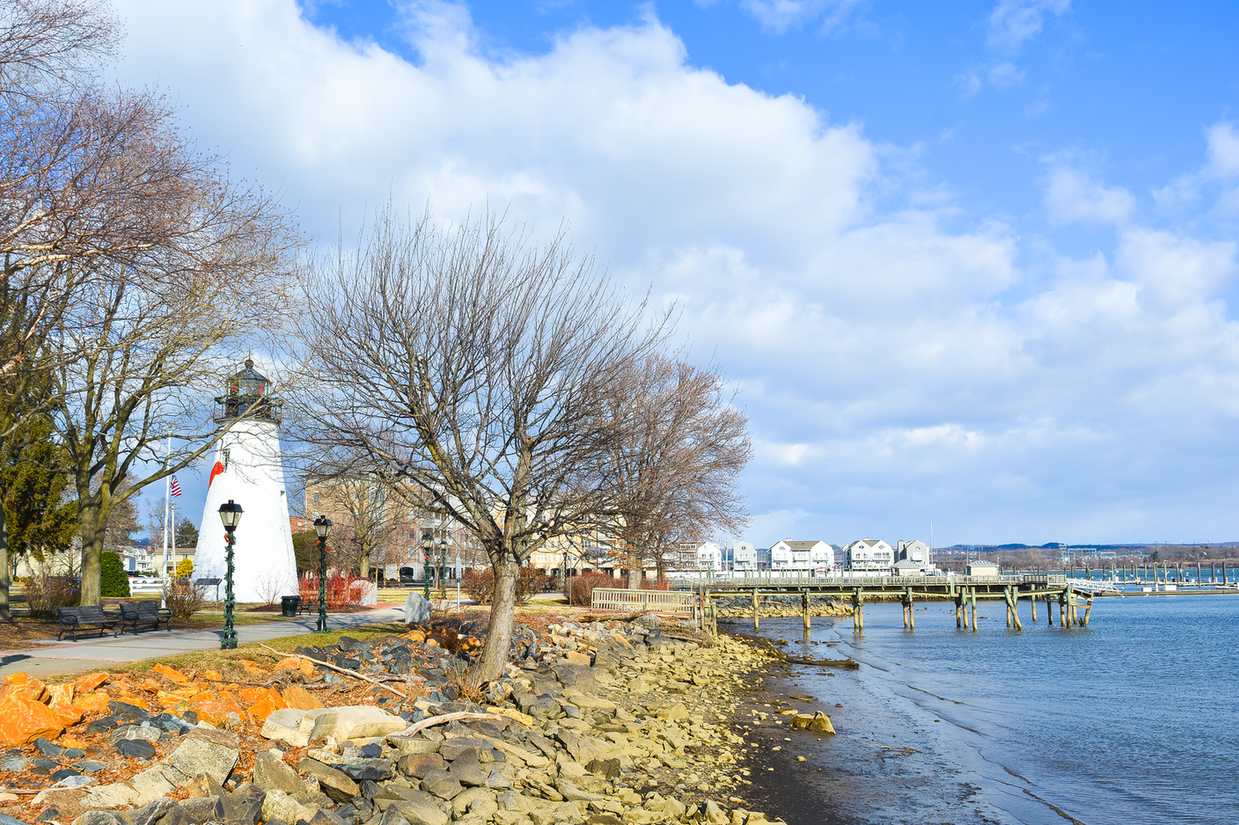
Approximate location: Susquehanna Flats, Havre de Grace, MD.