
How the Gunpowder Became a Wild Trout River
Last verified:
By BCRods
Quick facts
- Cold-water release
- Agreed 1986
- First wild brown reproduction
- 1989
- Upper section
- 7.2 miles catch-and-return (unverified)
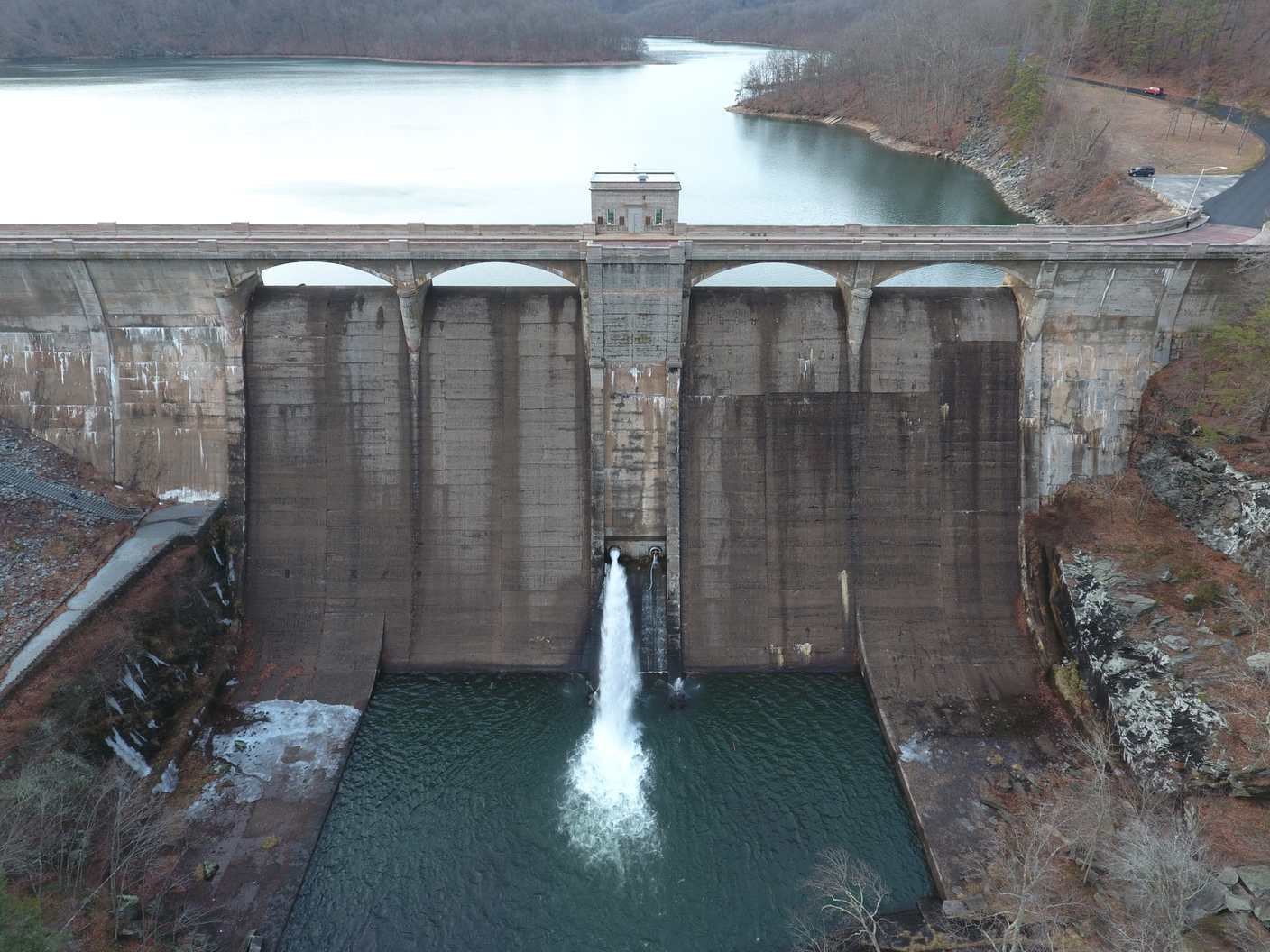
The Big Gunpowder Falls below Prettyboy Reservoir is a trout river in a part of Maryland where warm summers would normally rule trout out. It holds wild brown trout because of a water-release agreement made in the 1980s. This is how the river changed, drawn from the Maryland Department of Natural Resources (DNR) hotspot account.
A cold-water release
In 1986 an agreement secured a minimum cold-water release from Prettyboy Reservoir, which keeps the river below the dam cool enough for trout through the summer. In 1989 stream-bred brown trout reproduced naturally in the river for the first time. In 1991 DNR documented natural reproduction of rainbow trout for the first time, limited to the upper 1.2 miles.
What the fish do
A tagging study found that wild brown trout in the river move very little, staying near the same stretch. DNR reports that the tailwater has supported up to 250 pounds of trout per acre, split about evenly between browns and rainbows.
Why it is remarkable
DNR’s account says about 97 percent of the fish are now brown trout. The 7.2-mile upper section is managed as catch-and-return, with flies and artificial lures only.
Connection to the waterway
The cold-water release is the reason trout hold this far south, and it is why the stretch below the dam is the fishery covered in the Gunpowder Falls guide. Because the fish stay put, a stretch that is fished hard can feel it, which is part of the reason for the catch-and-return rule.
The river today
DNR divides the river below Prettyboy Dam into three sections. From the dam to Blue Mount Road, 7.2 miles are wild-trout water, catch-and-return, with flies and artificial lures only. From Blue Mount Road to Corbett Road, 4.2 miles follow statewide wild-trout rules, with two trout a day and no size or bait restrictions. From Corbett Road to one mile below Phoenix Road, 6.1 miles are put-and-take, with hatchery rainbows stocked in spring and fall, a five-fish limit and spring closures for stocking.
Most of the fish are small. DNR says about 97 percent are brown trout, and most wild browns run 8 to 11 inches, with some at 12 to 15 inches. Rainbows are found mostly in the 1.2 miles below the dam, and brook trout live near the brook-trout tributaries. Anglers 16 and older need a non-tidal license and a trout stamp.
Access and water
The river is typically 30 to 70 feet wide. The upper reach has boulder pools and runs, and the lower reach is wide and slow with sandy runs. Hereford Area trails run beside the water, including the Lefty Kreh Fishing Trail from Prettyboy to Big Falls Road, and the Torrey C. Brown Rail Trail follows the river from Blue Mount Road to Phoenix. Much of the river crosses private property, so respect posted signs.
What anglers can take from it
Check the current regulations before fishing the upper section, since the rules are specific to the river and sections differ. Wild fish are fragile, so keep them wet and handle them as little as possible. More Maryland stories are in the Dock Tales index.
Sources and caveats
This tale rests on one source, a Maryland DNR hotspot page. That page returned an error when we last tried to reread it, so the figures here (the 7.2-mile section, the 97 percent share, the 250 pounds per acre and the dates) come from our research notes and must be confirmed against the current DNR page before this story goes live.
The water behind the story
More fishing guides for Maryland
Sources
- Maryland DNR: Gunpowder Falls hotspot (not re-read; page returned an error 2026-11-01) (accessed November 2, 2026)